New techniques catch potato pests on the hop on Kangaroo Island
Integrated pest management, or IPM, is a broad-based approach that brings together biological, cultural and chemical controls to manage plant pests in a sustainable manner that minimises the unnecessary use of chemical interventions on crops.
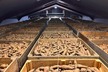
In January 2015, Kangaroo Island seed potato growers and agronomists invited Dr Paul Horne and Angelica Cameron from IPM Technologies to help them improve their pest management and control the most important pests of seed potato crops: the aphids and thrips that vector potato leafroll virus and tomato spotted wilt virus.
Following a successful trial by several growers that achieved control of insect pests with only minimal use of soft selective insecticides, and no application of broad-spectrum products during the life of the crops, the technique spread in popularity among the island’s industry. In the 2016-17 season, the majority of the island’s seed potato growers implemented some form of IPM across their farms to some extent.
The extension model used on Kangaroo Island is now going to be promoted in major potato and onion production regions around Australia, including field training and one-on-one support, as part of a Hort Innovation industry levy and Federal Government funded project.
“The basis of IPM is in understanding the role of beneficial insects and the effects of different chemistry on both beneficials and the target plant pests, and developing strategies that can control pests while minimising the use of inputs,” said AUSVEG National Manager – Communications Shaun Lindhe.
“The experience of these growers on Kangaroo Island shows that IPM can get results even in an industry where tolerance of insect pests, and associated insect-vectored diseases, is very low.”
For more information:
Shaun Lindhe
AUSVEG
Tel: +61 03 9882 0277
Mob: +61 0405 977 789
[email protected]