European demand for African superfood could put it at risk
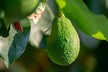
In Africa, it is revered for its nourishing and curative qualities. Fatou, a Senegalese mother of three, grew up eating and drinking monkey bread fruit.
"When the children have diarrhea, you give them bouie juice, because it's like an antibiotic - that's what I was taught. When I have a stomach ache I take some bouie juice," she said.
Now, Europeans are catching on to the idea it has healing powers. Researcher Nafissatou Diop Ndiaye wants to see more trees planted to offset rising demand
"It's high in antioxidants - that's why Europeans worship bouie, because there are anti-aging properties that are attributed to it," said Nafissatou Diop Ndiaye, a researcher at the Institute of Food Technology in Dakar.
Traditionally, baobab is a wild fruit, harvested by hand. But now, Diop Ndiaye, who develops ways to process and conserve fruit and vegetables so they can be commercialized, fears the fruit might become scarce.
"Our main fear is that we have this fruit that's not cultivated, so overexploitation can have negative consequences on the environment," she said.
But if more baobab trees are planted, Diop Ndiaye believes they could provide a sustainable livelihood for African communities.
"Why not have baobab orchards the way we have mango orchards so that it's no longer [just] a forest product," Diop Ndiaye said.
source: dw.com