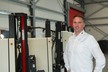
Automation is becoming increasingly necessary in agriculture, as firms face labor shortages and an ageing workforce. On Thursday 14 July, the FORBES AgTech Summit, featured a fascinating conversation between Bruce Taylor, the founder and CEO of Taylor Farms, and Dan Harburg, the Director of Business Development for Soft Robotics. Taylor Farms is a customer of and investor in Soft Robotics, a Cambridge-based robotics company.
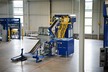
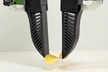
Taylor became acquainted with Soft Robotics when he caught a demo of their robot arm in Chicago. The arm uses a gripper made of a soft material that mimics the way an octopus grips. Taylor immediately struck up a conversation with the robotics firm and learned that at the time, Soft Robotics only had 3-1/2 people. He noted with some bemusement for the crowd that Taylor Farms was a company with 14,000 jobs that automation could augment – how could 3-1/2 people manage that? (“And how do you have half a person?” he mused out loud.)
“But that’s how partnerships work,” said Harburg. “We need people to bring us problems.”
Soft Robotics now has “twelve and a half” people, said Harburg. (“The half person is doing great.”) That’s in part because in the past year, Taylor Farms has served as a customer for the robotics start up, as well as an investor in it.
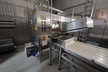
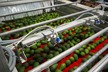
Automation is a challenge for companies like Taylor Farms, which makes prepared salads, snack trays and other fresh produce products. Because retail food products tend to have short lifecycles, it’s often not been cost-effective to develop automation for them, which means the repetitive, back-breaking work is left to human beings.