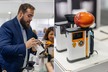
Charles Kong, a doctoral scholar at the University of Auckland's School of Chemical Sciences, is investigating whether a naturally-derived anti-freeze could retain texture in foods that traditionally don't freeze well, such as kiwifruit, strawberries and cherries.
This protein that helps fish survive in freezing conditions may be able to make frozen fruits and vegetables taste better.
"Basically, we don't like frozen foods - they lose their juiciness, become mushy and have a bland taste," he said.
"But the season for the things we like to eat such as strawberries is very short, so my research is aimed at investigating how the anti-freeze protein interacts with food to improve it after freezing."
The secret is an anti-freeze protein found in fish, which keeps them alive in very cold temperatures, and also in some insects.
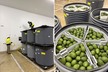
Having successfully synthesised this protein, he has been soaking kiwifruit, cherries, pears, carrots and strawberries in a special anti-freeze solution, before freezing them for a month with non-treated foods for comparison.
His latest results - analysed using a "texture analyser" based at Auckland University of Technology - showed there was more than 50 per cent less moisture loss in the treated foods, as well as retention of nutritional properties.
The treated cherries tested higher in antioxidant levels, while the treated carrots were more than 50 per cent harder with a better shape and crunch. Further, the proteins he used were fundamentally made of natural amino acids, which were already part of a normal human diet.
"I tested the toxicity of the antifreeze proteins and the results were good, with safe levels of toxicity shown," he said.
"But a lot more testing needs to be done on food safety in relation to this work."
Still, he said the results had opened up opportunities that could lead to his technology being used in food production.
"Ultimately, I would be looking at developing a commercial application based on this work - that would be ideal."