"The season is quite long; it starts in June and ends in December. It is always difficult to make predictions for the campaign, because everything depends on our customers. For our part, we believe that production will be very good. Brazilian ginger is known for its intense flavour, but also because of the size of the product. Looking at the crops, we believe the product will meet those characteristics again this year," explains Denise Brage, director of the Brazilian export company Batia Euroconte.
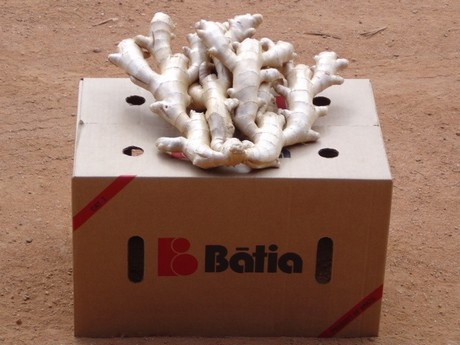
The Brazilian ginger season is about to start. "Ginger is a popular product among consumers in the Brazilian domestic market; therefore, most of the production remains in the country and only a small share is exported. Here, in Brazil, we have people from different countries and cultures, also of Asian origin, which may explain the huge consumption. However, all the ginger we produce is exported."
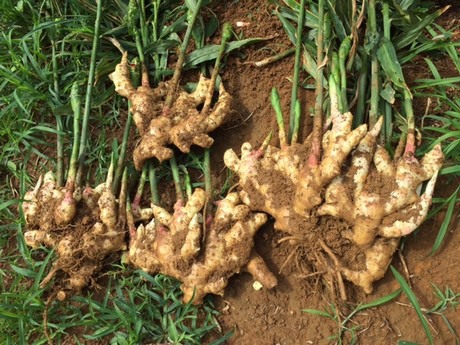
Denise explains that there are many producing countries, such as Costa Rica, Peru, Brazil, China or Thailand. Hawaii also produces a small volume. "According to what we hear from many of our customers, China continues to dominate the market with high volumes and therefore lower prices. Their season is short, but they keep the product in storage. Brazil cannot compete in terms of price, but we do in terms of quality, and our ginger always has customers, as there are people willing to pay a higher price for a larger and tastier product. Furthermore, as far as we know, restaurants and chefs are very fond of our ginger. Its flavour is much more intense, so you only need half the amount to get the same taste as with the Chinese."
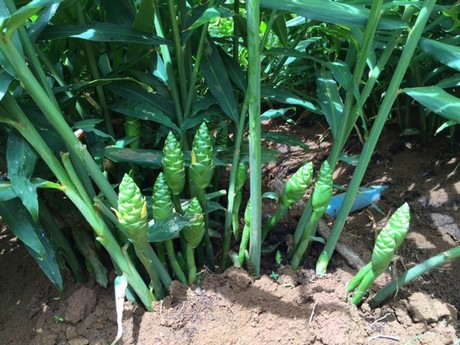
"Given that the product is on the ground, it is always difficult to estimate how the production will go; however, we have the theory that if the stems protruding from the soil are shorter, the roots under the surface will be bigger," points out Denise. "We have to wait until the roots are ripe enough before shipping them to our customers. Young ginger, as we call it, is exported by air, but its water content is high. The market for the rest of the season remains a mystery to us. It will all depend on the stocks left in China and on how our customers respond to our announcement of the start of the season."
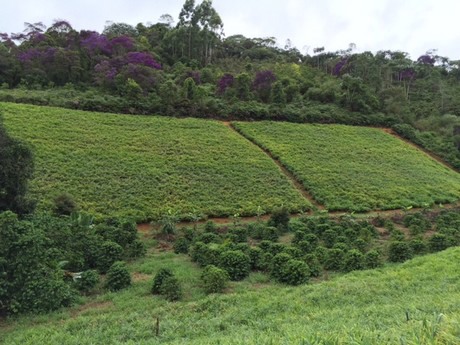
Denise concludes: "We export to European countries like the Netherlands, Germany and Switzerland, and we also make some shipments to the US. We are the only company that exports ginger under the BSCI and Global GAP certifications, something unusual in Brazil. Also, this year we'll celebrate our 40th anniversary, which means that we are one of the oldest companies in Brazil; something to be proud of."
 More information: