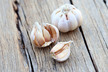
The Agricultural Service of the Council of Agriculture, Environment and Rural Development of Castile-La Mancha has warned producers in the region about possible cases of stemphylium leaf blight, a disease caused by the fungus Stemphylim vesicarium, in early plantings of garlic.
This disease produces oval and slightly depressed white spots in both sides of the leaves when the environmental conditions are favourable for it.
These spots, as explained by the Council of Agriculture, may spread from the initial area of impact to the rest of the leaves.
It isn't common for the disease to appear at this time, according to the Agricultural Service, although the changing environmental conditions recorded, with morning dew and fog and pleasant midday temperatures of between 15 and 20 degrees, have been suitable for its spread.
They warned that once the inoculum arrives to the plot, the damage can be considerable, therefore, growers have been recommended to monitor the crop.
Effectiveness of treatments
The same sources have confirmed that the effectiveness of chemical treatments is variable and depends largely on the time of the first application and the weather conditions.
Severe attacks, they warn, may result in major production losses, as the drying of leaves significantly reduces the weight of the bulb.
Lastly, they noted that it is advisable to treat the crops and, above all, once the cultivation has started, to prevent the fungus from settling in the remains of the harvest or in other crops, recommending burial or burning for its removal.
Source: EFE