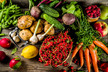
Since the beginning of the crisis, Russians who have dachas or allotments, have begun to store up more produce for winter, according to the company Romir. Almost half the population is occupied with preparing homemade preserves.
According to the results of a survey conducted by research holding Romir in September, this year 49% of Russians have been preparing homemade pickled goods and conserves from the harvest collected from their own private dachas and allotments. Out of the respondents, 7% reported that they has never tried anything like preserving before. Such results may indicate that the "degree of economic anxiety of Russians has increased slightly this year, against the backdrop of high inflation and rising prices," say researchers from Romir.
More than a third of those Russians (38%) who had made preserves for winter before, increased the volume of their production. “In terms of the whole population of the country, almost a quarter of Russians were more actively involved in the creation of supplies for the winter than in previous years,” said the research holding. This observation mainly affects Russians with low incomes and inhabitants of small towns and village dwellings.
According to the results of the survey, the share of families with a dacha or allotment has remained almost unchanged over the years. In 2015, 56% of respondents were owners of dachas or allotments. For comparison, in 2011 they accounted for 59%. Romir’s data indicates that 89% or dacha owners have a small garden plot and 94% of these, in the course of the survey, reported that they make homemade preserves from their own harvest.
“Russians continue to survive from their own vegetable gardens,” report the analysts from Romir. The share home grown fruit and vegetables in a household’s food basket has not changed much over the course of several years, according to Romir’s data. Now, 37% of respondents who practice home preserving of fruit and vegetables provide between 30-50% of their household food basket. Another 15% of families provide more than a half of their domestic produce needs themselves. In 2011, 25% of respondents provided between 30 and 50% of the household food basket themselves by means of homemade preserves, 32% provided more than a half.
The research company did not specify what kind of preserves Russian prefer to make. According to a survey by the Public Opinion Foundation, which was conducted in August last year, pickles, jams, frozen vegetables, fruits and berries, and dried mushrooms are the most popular preserves for Russians in the winter. In response to the Foundation’s question concerning why people make homemade preserves, 28% of the participants indicated money saving to be the reason.
As the Rosstat data for August 2015 shows, for the purchase of basic food products in the same home farming villages, inhabitants spend about €57 monthly. In the city - €66.50. Of these, the cost of fruits and vegetables from both categories of Russians make up about 2% of the total cost of staple foods.
According to information from the Russian Ministry of Agriculture, published in June 2015, in the last year, private farms produced goods totaling €37.9 million. According to authorities, the share of total agricultural production (in all types of farms) produced by the population at the end of 2014 amounted to about 51%, including vegetables - 89.5%.
Source: top.bc.ru