US (FL): Disease likely to increase avocado prices
But any noticeable price increase probably wouldn’t last because increased imports from the Dominican Republic are likely to temper any price increases.
Edward Evans, a UF/IFAS associate professor in food and resource economics, is quick to note, however, that he conducted his study before the recent discovery of a medfly outbreak in the Dominican Republic. The outbreak led the U.S. Department of Agriculture to restrict imports of green-skin avocados from that country. This avocado is similar to the type produced in the Sunshine State.
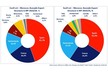
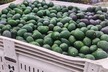
Florida, primarily Miami-Dade County, grows green-skin avocados, which account for about 12 percent of U.S. avocado production. The other 88 percent – known as Hass avocados -- comes largely from California, with a bit grown in Hawaii.
Florida imports lots of avocados from the Dominican Republic. Between 2004 and 2013, U.S. avocado imports from the Dominican Republic went up from 8,477 tons to 14,397 tons. Until recently the Dominican Republic supplied about one-third of the green-skin avocados consumed in the U.S.
The Laurel Wilt pathogen is starting to kill some Florida avocado trees. So far, 8,000 Florida trees – a little more than 1 percent of those grown here -- have been destroyed because they were diseased. UF/IFAS scientists are working on solving the Laurel Wilt issue.
Click here to read more at newswise.com.