Changing British shopping habits help suppliers in supermarket talks
More accurate forecasting and faster manufacturing also means they can offer alternatives to straight discounts, such as exclusive products or packages.
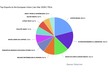
The big four -- Tesco, Asda, Sainsbury and Morrisons -- still control 73 percent of UK grocery turnover but discounters such as Aldi and Lidl, e-commerce sites like Ocado and higher-end stores like Marks and Spencer and Waitrose are gaining ground.
Tesco, the market leader, is known for pushing suppliers but has seen its negotiating power crimped by shrinking market share. Analysts say Tesco, facing an accounting scandal, could put through another round of price cuts that would make a pressurized situation even worse.
Tesco can fund discounts itself, but analysts expect it to lean on suppliers. But they "can now be a lot more scientific about whether they will or will not comply," said Ken Harris of Cadent Consulting Group in Chicago, due to advances in data-tracking and technology that detail the financial implications of promotions.
Fear of being taken off shelves has ensured the compliance of small- and medium-sized companies, especially private or family-run firms that supply retailers' own brands with staples such as fresh produce. Many already run near record-low margins.
Pushing too hard for discounts could also turn savvy shoppers off, especially after last year's horse meat scandal.
Source: reuters.com