US (CA): Cultivation of exotic and unusual guavas
“I told him I wanted one of each,” says Thomas, recalling that exchange more than 20 years ago. “In India they grow them like apples.”
Rishi Kumar at the Growing Home and Learning Center community-supported agriculture project in Diamond Bar has a green-skinned, white-flesh Indian variety.
“We had a lot of trouble with it not getting a lot of fruit, but since we've started to do a lot of soil amending, we got maybe 200 pounds last year from one tree,” he says.
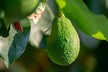
Not all guavas sold at nurseries are the same. The popular pineapple guava (Feijoa sellowiana) is different from the tropical guavas (Psidium guajava) that Thomas grows. The latter taste better, have fewer seeds and are self-propagating. Usually pineapple guavas need a mate to produce fruit.
David Silber's son, Alex, now runs Papaya Tree Nursery, and he carries a type of self-propagating pineapple guava, the Nazemetz. “But they’re not true guavas,” Alex says.
He carries more of the tropical guavas: Vietnamese, Purple Malaysian, Ruby Supreme and Turnbull White. The last can produce fruit weighing more than a pound. It’s not just bigger. It has a higher liquid content, so it’s also juicier.
“It’s also very precocious,” he says. “It can be 4 feet tall with fruit on it. It fruits at a very young age.”
Guavas do well in Southern California, even during cold winters. They can take temperatures down to 20 degrees. They won’t like it and will look bad, but they will survive. Look upon it as an opportunity to prune, Alex Silber says cheerfully.
One rare guava that Alex Silber has been growing is an Indonesian seedless variety, discovered in 1905 and brought to the U.S. 50 years later by tropical fruit legend Bill Whitman, a friend of David Silber. “My dad actually got the bud wood, the scion, from the original tree,” Alex says.
Source: latimesblogs.latimes.com