Pennsylvania chip maker using unwanted potatoes
By using potatoes that would normally be thrown away by either the grower or manufacturer, Dieffenbach’s is reducing waste and creating a new revenue stream for the company, growers and supply chain.
“There are lots of these potatoes available out there that don’t quite meet the spec of today’s chipping companies,” says Zimmerman.
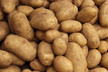
The potatoes might be passed over because they have visible imperfections such as blemishes, or they might be too small or large. Sometimes the potatoes come from surplus that growers can’t sell and would ordinarily have to plow back into the fields or send to a landfill.
“We said, ‘Send them to us at a discount.’ [The grower] makes a little money versus losing money,” says Zimmerman.
But chipping color is probably the biggest reason potatoes get rejected, Zimmerman said, because most consumers prefer a bright, white chip.
Uglies are darker because they are made from potatoes with a high sugar content, which normally are rejected.
“You’ll get a darker chip because the sugars are caramelizing in the kettle, which is a great flavor but is not what the U.S. market expects,” he said.
source: potatogrower.com