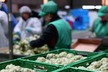
Prices of key vegetables, particularly chili and onions, have increased in Jakarta ahead of Christmas and New Year, largely due to supply constraints linked to weather conditions. Local authorities have responded with market interventions and distribution measures to support availability, including deliveries to the Thousand Islands.
Price increases were recorded at Senen Market in Central Jakarta on December 14, 2025. According to Dewa, a chili seller at the market, prices began rising in early December. Red bird's eye chili increased from Rp 45,000 per kilogram to Rp 90,000 per kilogram, equivalent to about US$2.90 to US$5.80. Green chili rose from Rp 35,000 to Rp 70,000 per kilogram, or US$2.25 to US$4.50. Curly red chili increased from Rp 45,000 to Rp 70,000 per kilogram, or US$2.90 to US$4.50. Large red chili moved from Rp 45,000 to Rp 60,000 per kilogram, or US$2.90 to US$3.90.
"The supply is insufficient due to continuous rainy weather. (The chilies) are rotting and damaged. The stock at the Kramatjati Central Market is also limited," said Dewa.
Consumers at the market reported adjusting purchasing volumes in response to higher prices. One buyer opted to purchase only half a kilogram of red cayenne peppers after learning the price had reached Rp 90,000 per kilogram. Another buyer said she did not expect chili prices to double in such a short period.
Onions have also seen price increases, particularly red onions. Fahri, an onion seller at Senen Market, said prices rose from Rp 40,000 to Rp 60,000 per kilogram, or from about US$2.60 to US$3.90, within the past week. While onion stocks remain available, rainfall has affected quality, causing discoloration and spoilage.
Data from the Jakarta Food Information Panel shows similar price movements across markets, with no major discrepancies between official data and field observations.
According to the DKI Jakarta Food Security, Marine, and Agriculture Office, the rise in vegetable prices was recorded in the first week of December 2025. High rainfall in production areas reduced chili harvest volumes, increased pest pressure, and slowed crop ripening. For shallots, the planted area declined in September 2025 due to high seed prices, land conversion to rice, and pest attacks, leading to lower harvest volumes in November, particularly in the northern coastal areas of Java.
To support price stability, the provincial government has been organizing mobile affordable food bazaars at government offices, public housing areas, and community spaces. Distribution of vegetable supplies has also been extended to the Thousand Islands, where prices tend to be higher due to transport constraints and weather-related disruptions.
Source: Kompas