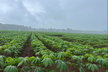
The Department of Agriculture Agribusiness and Marketing Assistance Division reports that vegetable volumes for the holiday period remain adequate. DA Cordillera Regional Executive Director Jennilyn Dawayan states that many growers have replanted following recent typhoons and that no supply shortages have been detected, especially for highland vegetables. Wholesale prices have remained stable.
Transport logistics remain a concern due to heavy traffic. To address this, AMAD is expanding the implementation of the food lane express system through certifications intended to help growers and traders avoid citations and delays when moving produce to other areas, including the National Capital Region. The agency notes that vegetable prices often decrease early in the year, particularly in February and March, as growers commonly plant toward the end of the previous year when typhoon activity is lower, resulting in increased supply.
Dawayan reports that although some districts were affected by Typhoon Uwan, growers have already replanted and are expected to begin harvesting leafy vegetables by February and March.
The Department of Agriculture is also awaiting the release of the Disaster Quick Response Fund in December for growers affected by typhoons from Crising to Paolo. Dawayan explains that once funds are received, the bidding process will begin immediately so that assistance and interventions can be delivered by January 2026.
Source: Daily Tribune