For decades, pesticides have played a central role in agriculture in Malawi, supporting crop production and yields. However, weak regulation, unsafe handling practices, and environmental concerns have increased pressure on the sector.
Between 2015 and 2023, a US$2.55 million Global Environment Facility (GEF) project aimed to improve pesticide management across the country. The initiative focused on regulation, disposal systems, and farmer training.
The project supported a review of national pesticide regulations and trained regulatory staff in pesticide registration, monitoring, enforcement, and lifecycle management.
"We invested heavily in strengthening systems, not just solving immediate problems," said Precious Chizonda, Registrar of the Pesticides Control Board of Malawi and former National Coordinator for the GEF project. "This has positioned Malawi to better manage pesticides across its entire lifecycle, from importation to disposal."
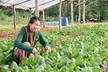
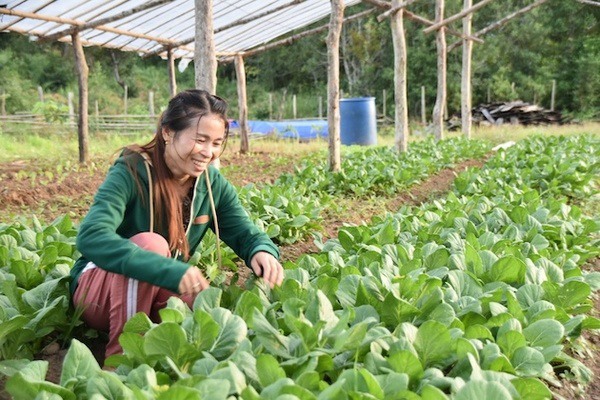 © Lao farmer network
The project also introduced a strategic plan for the Pesticides Control Board and strengthened collaboration with the Malawi Bureau of Standards and the Ministry of Agriculture.
Environmental measures included the destruction of approximately 208 tons of obsolete pesticides, including persistent organic pollutants, through high-temperature incineration. Another 40 tons of contaminated waste were secured in an engineered landfill.
A pilot system for managing empty pesticide containers was also introduced and continues beyond the project period with support from industry stakeholders, including CropLife.
At the farm level, training in integrated pest management (IPM) and alternative crop protection methods has expanded.
In Lichenza, farmer Emily Zuwedi said: "We used to believe in pesticides when growing our crops, but that is now a thing of the past."
Zuwedi joined a farmer training group in 2017 and now grows onions and beans using IPM techniques.
"I am spending less money now, and my crops are still doing well," she said.
According to Extension Development Officer Albert Khumalo, at least 100 farmers have received training in pesticide-free farming methods since 2024.
"This program is helping farmers conserve the environment while also saving money," Khumalo said.
GEF funding is also supporting projects in Laos through a US$4.2 million FARM initiative led by the UNDP and the Ministry of Agriculture and Forestry.
According to project manager Saithong Phengboupha, the project aims to "reduce dependence on hazardous pesticides while integrating environmentally friendly pest management approaches".
The FARM project includes agrochemical container waste management pilots, farmer training, and support for safer handling and storage practices.
Phengboupha said farmers have generally responded positively to IPM training, although adoption rates still depend on access to extension services, alternative inputs, and market conditions.
To view the full report, click here.
For more information:
Global Issues
www.globalissues.org