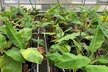
India: Few takers for human urine banana fertilizer
The research was carried out by senior scientist (soil science) Dr KJ Jeyabaskaran with the support of Society for Community Organization and People's Education (SCOPE), an NGO, which raised funds from UNICEF and a few other international organizations for the project in 2012.
Considering the vital role of NPK (nitrogen, phosphorous and potassium) in banana cultivation, Dr Jeyabaskaran, who is also one of the principal scientists in NRCB, found out that the human urine which contains 4.6g of nitrogen, 0.6g phosphorus and 2.2g phosphate can be used as fertilizer for banana plant instead of chemical fertilizers and reduce the cost of cultivation.
A banana plant requires NPK (200g of nitrogen, 30g of phosphorus and 400g of potassium) per season for which the farmers have to spend a substantial amount on chemical fertilizers, according to his research.
Human urine may be sufficient for supplementing 100% of nitrogen and phosphorus and 25% of potassium. By using 50 litres of human urine per plant and recommended dose of NPK at various levels, growth of plant height, pseudostem, leaves, leaf area, leaf nitrogen concentration, phosphorous concentration and leaf potassium can be assured, the research concluded.
Jeyabaskaran claimed that it also helps achieve highest bunch weight of 23.9kg than 21kg which is got without using urine. A farmer can get additional net profit of Rs 45,175 of which Rs 36,350 is because of increased weight of bunch and Rs 8,925 is due to the savings on the fertilizer in Poovan banana cultivation, Jeyabaskaran said in his report.
SCOPE established ECOSAN toilets in Musiri through which human urine is collected in an integrated manner. The NRCB started its research experiments using this collected human urine as liquid organic fertilizer through drip irrigation system.
Source: indiatimes.com