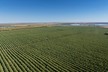
As sustainability requirements increasingly influence ingredient sourcing, Australian macadamias are positioning themselves within regenerative farming systems and lower-input production models.
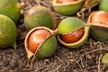
Macadamias evolved in Australia more than 60 million years ago, and the industry says this natural adaptation to local conditions supports lower-intervention production systems.
"Sustainability is no longer a box to be ticked that determines whether you receive a premium for your product or not," said Leoni Kojetin of Australian Macadamias. "It's now standard operating procedure. If you're not farming sustainably, you're going to find it difficult to sell your product."
 © Australian Macadamia Society
According to Kojetin, macadamias are naturally suited to Australia's rainfall variability and temperature conditions, reducing the need for artificial growing environments.
Australia is also the only country where macadamias grow wild. Researchers are studying soils around native trees to better understand naturally adaptive soil systems and improve orchard management practices.
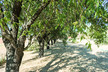
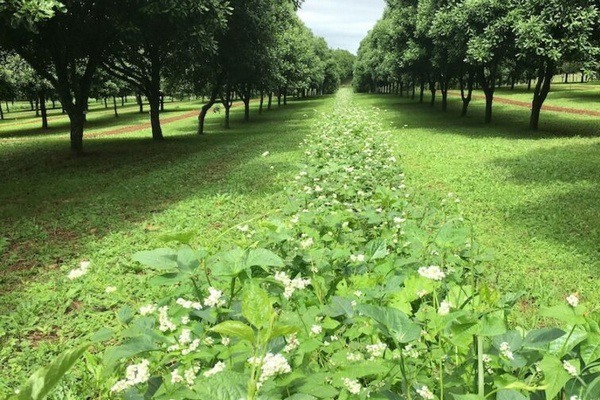
The industry has increasingly focused on biodiversity within orchards. Inter-row areas previously maintained as short grass are now being planted with grasses, legumes, flowering species, and brassicas to support pollinators and beneficial insects. Additional biodiversity zones are also being established around orchards and riparian areas.
"There is more life and biodiversity under the ground than above it, and what's below ground is just as important as what's above it," Kojetin said.
 © Australian Macadamia Society
The Australian macadamia sector is also expanding regenerative farming practices, including carbon sequestration, composting, water efficiency, and biological pest control.
Australia's 14 million macadamia trees sequester more than 17.6 tons of carbon (CO2e) per hectare annually from the trees alone, according to the industry. Organic matter such as prunings, husks, and foliage is returned to orchards to support soil health, while macadamia shells are used as renewable fuel for electricity generation.
Kojetin said macadamia trees are relatively water-efficient due to their ability to regulate moisture loss during dry and high-temperature periods. Growers are increasingly using precision irrigation systems to optimise water use.
Biological pest management is also being used across the sector, including the use of Trichogramma wasps for nut borer control and barn owls for rodent management.
"Australian macadamia farmers are stewards of the land on which they grow, and they operate in a way that actively supports conservation," Kojetin said.
 © Australian Macadamia SocietyFor more information:
Laura Davies
Australian Macadamia Society
Tel: +61 1800 262 426
Email: [email protected]
www.trade.australian-macadamias.org