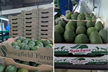
According to Germán Caballero, manager of Epic Farms, "Pitahaya production in Peru has increased, but only the most efficient producers remain in the market," reflecting a natural selection process in the sector. Meanwhile, smaller producers are partnering with export companies to access international markets and receiving technical guidance to comply with global standards.
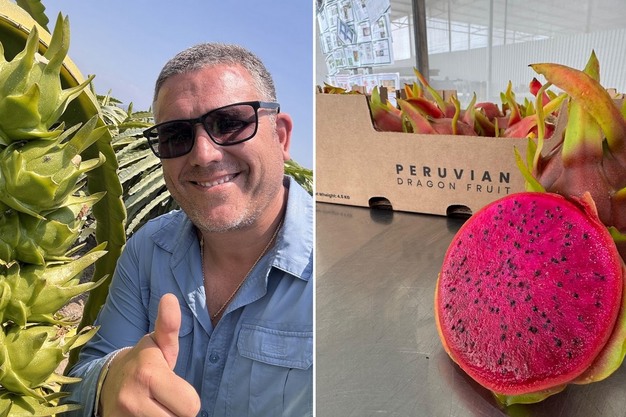 © Epic Farms
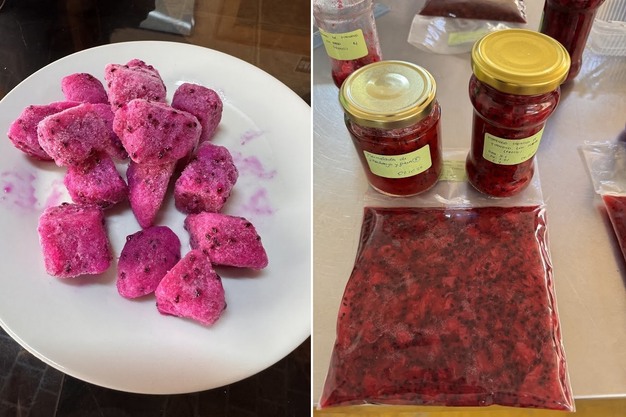
One of the most significant changes in the sector's strategy is product diversification. In addition to fresh fruit, Epic Farms has begun developing industrial lines, including pulp and frozen formats. "We have entered a new market, from Peru to the world, which is industrial fruit," he stated, highlighting opportunities in niche markets such as freeze-drying.
 © Epic Farms
Despite growth, international competition is pressuring prices. Ecuador has consolidated its position as a dominant player in the region, with a volume-focused strategy that has led to a drop in international prices. "Unfortunately, the price has been falling," says Caballero, noting some shipments no longer cover costs.
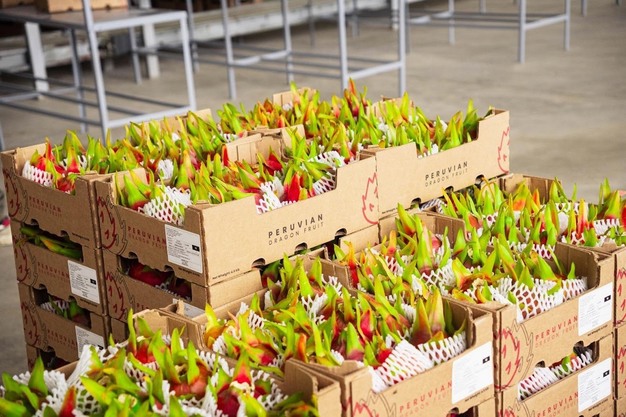
Faced with this scenario, Peru's strategy focuses on standing out for quality and timing. "We know we will secure the best prices from April to July," he stated, because it's a period when Ecuadorian supply drops, creating an opening for Peru. This approach also includes adjusting production schedules through technical management to enable out-of-season production.
 © Epic Farms
Logistics are also crucial. During export peaks for products like mango and asparagus, rising air freight costs erode profitability. "The logistical problem in Peru is that if you export during normal production, you are paying a very high freight rate," he stated. Conversely, operating during periods of lower logistical demand enables producers to achieve better margins.
Europe continues to be the primary destination, though there are notable differences among countries. "The Spanish market doesn't pay what the Nordic countries do," Caballero emphasized, underscoring the appeal of destinations such as Germany, France, and the United Kingdom.
 © Epic Farms
Access to the United States remains a pending issue. "The protocol for exporting to the United States is not being managed," he criticizes, pointing to a lack of regulatory advances as a key limitation compared with competitors such as Ecuador, whose main destination is that market.
Despite the challenges, the potential remains considerable. Peru accounts for only a small part of the global market - "we only have a 3% share" - indicating significant growth opportunities. Improving quality, obtaining certifications, and adopting more sophisticated commercial strategies could be key to helping Peruvian pitahaya establish a stronger international presence.
 © Epic Farms For more information:
Germán Caballero
Epic Farms
Peru
Tel: +51 954 178 648
Email: [email protected]
www.epicfarms.pe