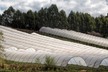
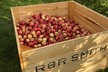
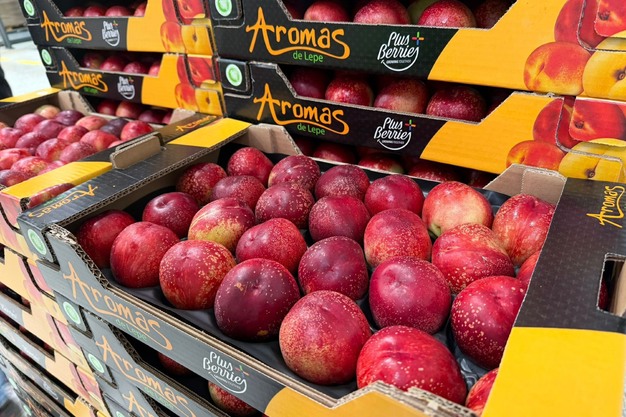
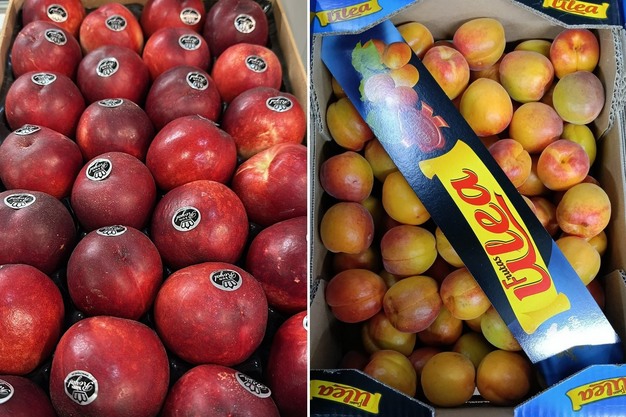
The Spanish stone fruit season has resumed at Van Dijk Foods. "We received the first volumes about 10 days ago, mainly from southern Spain, the Huelva region, but all of that is grown under plastic. As of yesterday, Murcia is also starting to pick up, with apricots and paraguayos, among others," says Henk Vlaeminck of the Belgian importer.
 © Van Dijk Foods Belgium
Volumes are still generally limited, he notes. "That is normal at this stage of the season. We work with a number of partner growers who specialise in early stone fruit, as they grow under plastic, so we are already receiving reasonable volumes. I hear from competitors that volumes are still very tight, but that will gradually improve. Growers respond strongly to price developments. When prices are high in the first weeks of the season, the focus is on harvesting large, attractive fruit. However, once picked, the fruit can no longer grow, so supply then temporarily declines. There was a lot of fruit yesterday, but by Wednesday it will be less again. Starting next week, volumes will increase significantly. We expect to move to 30 to 40 per cent more than current levels."
Rain in winter good for quality
"Quality is good for this time of year. Sizes are not yet very large, but the fruit already has good colour, flavour, and appearance. Early fruit can often be unpredictable, but this year it looks quite good. Apricots, in particular, are performing well, with very nice fruit already arriving. The weather in recent months has likely contributed to this," he explains.
"In Spain, there was a wet winter. That was less favourable for many crops, but stone fruit needed the water, especially in the south, where there has been drought in recent years. Water is particularly important between November and January for fruit development, and that seems to have worked out well this year. With the good weather now arriving, the outlook for stone fruit is positive. This applies not only to peaches, nectarines, apricots, and paraguayos, but could also have a positive effect later in the season, for example, for cherries."
High prices, but good demand
The first cherries are also expected soon. "They have already been offered here and there, but for us, they were too early. The colour and ripeness are not yet sufficient for the Belgian and Dutch markets, so we are deliberately waiting. We expect some to arrive next week, after which volumes will really increase in early May. Traditionally, the first Spanish cherries are expensive, and that is still the case now."
 © Van Dijk Foods Belgium
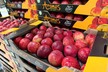
"That applies across the board. Prices for peaches and nectarines are around €9 to €10 per kilo for large sizes, and around €6.50 to €7 for smaller sizes. Apricots are currently around €6 to €7 per kilo for larger fruit, and around €5 to €5.50 for smaller sizes. These are still relatively high prices, but that is typical at this stage of the season. Moreover, it is not necessarily a negative situation, as there are few alternatives for fruit at the moment."
It is a typical transition period, Henk explains. "From South Africa, there are now few good varieties of plums, peaches, and nectarines available. In Spanish citrus, the season has also ended earlier than usual, partly due to the weather. This means buyers are willing to pay for high-quality Spanish stone fruit. In addition, we are experiencing good weather here, with plenty of sunshine, which is boosting demand. Overall, it is an ideal combination of factors for the start of the Spanish stone fruit season."
Shortage of white grapes
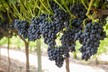
In addition to stone fruit, the trader also highlights the white grape market. "There is currently a real shortage of good-quality white grapes. Peru has finished its season, and Chile has experienced rain, which has affected the quality. As a result, less fruit has been exported to Europe. Given the three-week transit time, buyers are unwilling to take risks with lower-quality fruit. This has reduced supply in Europe, while demand for high-quality white grapes remains strong. The successful Peruvian season has driven demand, but there is currently not enough high-quality product to meet it, resulting in a tight market."
For more information:
Henk Vlaeminck
Van Dijk Foods
Kempenarestraat 50
2860 Sint-Katelijne-Waver, Belgium
Tel: +32 15 55 65 61
[email protected]
www.vandijkfoods.be