Disruptions to fuel, fertilizer, and logistics flows linked to the conflict in Iran are affecting pistachio supply, with prices reaching an eight-year high. Iran is the world's second-largest producer of pistachios and a key supplier to global markets, both for direct consumption and as an ingredient in processed products.
Supply conditions were already tight before the conflict. Sanctions, geopolitical frictions, a smaller-than-expected 2025 crop, and earlier communication disruptions affecting export coordination had limited availability. The escalation in late February has further reduced supply and disrupted trade flows.
"The outbreak of war in late February made matters worse, compounding an already constrained situation and resulting in a shrinking pool of pistachios that's increasingly difficult to deliver to global markets," said Nick Moss, a nut market analyst at Expana Markets. "Pistachios are certainly sensitive to disruptions in the Middle East, given the region's role as a major producer, transit hub, and destination."
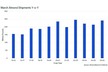
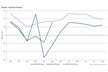
Iran accounts for about one-fifth of global production and one-third of exports, while the U.S. contributes around 40% of output and about half of shipments. Expana data show pistachio prices reached US$4.57 per pound in March, the highest level since May 2018.
Shipping disruptions are also affecting trade routes. "The war has triggered shipping lines to cancel all fresh bookings starting March 2 for shipments to the Middle East," said Gyana Ranjan Das, business head of edible nuts and pulses at Crown Point Ltd. He added that supply chains to markets such as India, which imports about US$9 billion of edible nuts annually, have been affected.
While there is no confirmation of damage to orchards, which are mainly located in northeast Iran, logistics constraints are limiting movement through key hubs in the United Arab Emirates and Türkiye. "They do have concerns about how much product will feasibly reach global markets if the conflict persists," Moss said. "Even for buyers not normally sourcing directly or indirectly from Iran, heightened competition for available stock elsewhere could result from these supply constraints."
At the same time, demand has increased. Consumption has risen since pistachio-based products gained traction across retail and foodservice channels. Benchmark prices for U.S. pistachios have increased by about 30% since the end of 2023.
Processors may respond by adjusting pricing, reformulating products, or shifting to alternative nuts, although substitution remains limited for some applications. "Looks like the ice creams in the summer months this year will miss pistachio flavor, or it will be milder," Das said.
Source: Yahoo! Finance