With a steep increase in electricity standing charges set to take effect in April, the NFU is urging the government to act as businesses face rising costs.
Increases to Transmission Network Use of System rates, which cover infrastructure costs, will come into force, with some rates expected to double. The changes could add hundreds of millions of pounds in costs across the farming sector. Some of the largest glasshouse operators are estimated to face increases of more than £1 million annually.
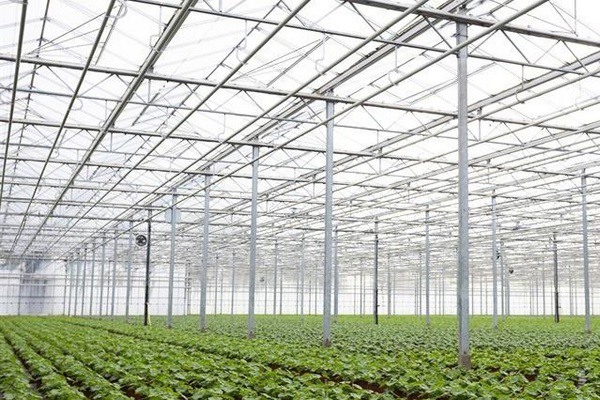 © NFU
© NFU
The NFU has stated that the changes to standing charges will have a damaging effect on UK production. These concerns have been raised in multiple meetings with government ministers, with the NFU and crop associations submitting evidence in support of intervention. The situation is compounded by higher energy and fuel costs linked to the conflict in Iran.
NFU Horticulture and Potatoes Board Chair Martin Emmett said: "The NFU has been clear that looming standing charge increases will seriously harm UK production, especially with energy and fuel costs already rising due to the conflict in Iran.
"Despite repeated evidence and warnings given, the government has not committed to supporting energy-intensive horticulture, meaning growers will face the full impact, risking a repeat of the 2022/23 production cuts, which in part resulted in empty supermarket shelves.
"The government has reaffirmed its intention to work with industry on a horticulture growth plan at the first Farming and Food Partnership Board meeting, yet this policy will actively undermine growth.
"We appreciate Defra working with us on mitigations, but time is running out. Government must act now."
The NFU has continued its engagement with the government on the issue. Director General Terry Jones wrote to Minister for Industry Chris McDonald outlining concerns about the impact on food production, followed by meetings with the Minister and the Farming Minister.
The NFU has also pointed to evidence from NFU Energy indicating that certain subsectors, particularly horticulture, meet the criteria for energy-intensive industries and could qualify for schemes such as the Network Charging Compensation Scheme. It has called for updates to Standard Industrial Classification codes to better reflect farming subsectors.
In addition, the NFU has written to energy regulator Ofgem regarding the Targeted Charging Review, proposing changes including basing standing charges on annual averages rather than peak demand, reforming banding structures, removing standing charges from fixed contracts, and increasing support for renewables.
The NFU and NFU Energy have also held webinars for members to outline the issue and its implications.
 © NFUFor more information:
Jo Rector
NFU
Tel: +44 (0) 7771 542547
Email: [email protected]
www.nfuonline.com