A national audit has found that Australian supermarkets continue to fall short of sustainability standards for plastic use for the third consecutive year, with findings showing that pre-packaged fruit and vegetables often cost less than loose produce.
The Australian Marine Conservation Society (AMCS) conducted the audit, which revealed that more than 70 per cent of cases showed higher prices for shoppers trying to avoid disposable plastic packaging.
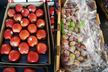
Examples from the audit show that loose onions were priced at about US$2.55 per kilogram, compared with US$1.95 per kilogram for packaged onions. Red and white potatoes were approximately US$0.35 cheaper per kilogram in plastic bags, and loose lemons were more expensive than packaged ones.
Pensioner Trish, who manages her weekly grocery budget carefully, said the current system is difficult for consumers. "I hate the polystyrene and the plasticized everything," she said. "I think it's a complete fallacy that we are paying the prices we are paying."
Tara Jones from the AMCS said that none of Australia's major retailers passed the audit. "Coles, IGA, and Woolworths all scored poorly. It's a really disappointing result from the four biggest supermarkets in Australia," she said. "Aldi has not yet published its sustainability results."
Jones also raised concerns about online grocery shopping. "In most online orders from Coles and Woolworths, customers cannot opt out of additional plastic packaging," she said. "From the customer experience, there is so much plastic it's getting harder and harder to avoid."
Supermarket chains have defended their use of plastic, stating that packaging helps maintain product freshness, ensures hygiene, and allows for bulk purchasing at lower prices.
Graeme Hughes from Griffith University noted that packaging offers operational benefits. "From inventory control, hygiene in store, and the ability to turn over stock, it also brings marketing benefits," he said.
Jones called on retailers to change their approach. "Supermarkets are concentrating on recycling and swapping materials," she said. "But what we really need is to cut unnecessary plastic, encourage reusable and refillable options, and take the lead on real change."
The audit findings underline the ongoing tension between sustainability goals, retail logistics, and pricing models within Australia's produce sector.
Source: 7News