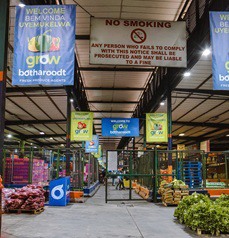
 © Grow FreshAs technology adoption accelerates across the agricultural sector, questions are being raised about the relevance of South Africa's municipal fresh produce markets. While often portrayed as outdated, these markets remain a key component of the country's food system, particularly as transparent and regulated platforms for trade.
Fresh produce markets function as South Africa's primary price-discovery mechanism. Daily transactions reflect supply and demand in real time, allowing producers to adapt their supply strategies accordingly. Unlike platforms with pre-set pricing structures, the market system ensures that prices align with actual market conditions. Without this system, establishing accurate reference prices would be far more difficult.
Criticism of transparency within market operations has also been challenged. Agents provide farmers with daily breakdowns of sales, including volumes sold, achieved prices, deducted commission, and carry-over stocks. In addition, digital platforms such as TechnoFresh and official market websites publish market-wide data and prices, making national trends publicly available.
Another feature is the speed of payments. Fresh produce markets remain one of the fastest payment systems in the country for agricultural producers, a factor that supports operational sustainability, particularly for farmers with tight cash flows.
 © Grow fresh
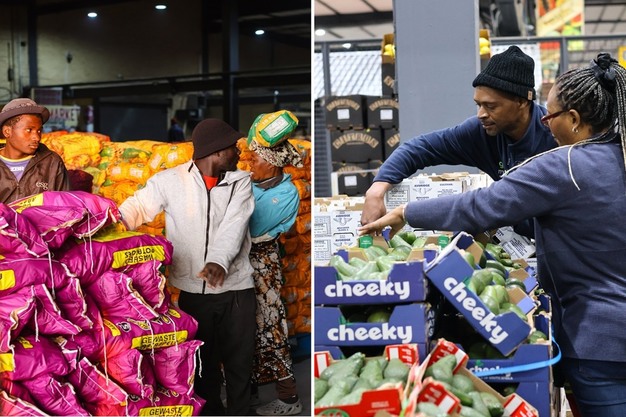
Market agents operate under the Agricultural Produce Agents Council (APAC), while markets are regulated by a series of laws, including the Agricultural Produce Agents Act (APA), the Agricultural Produce Standards Act (APS), and municipal bylaws.
Fresh produce markets provide an open-access platform for both large commercial producers and small-scale farmers. They can absorb high volumes of stock, as price changes help to balance supply and demand, reducing waste. Producers can sell different grades, sizes, and varieties of produce, and gain buyer feedback on quality and presentation.
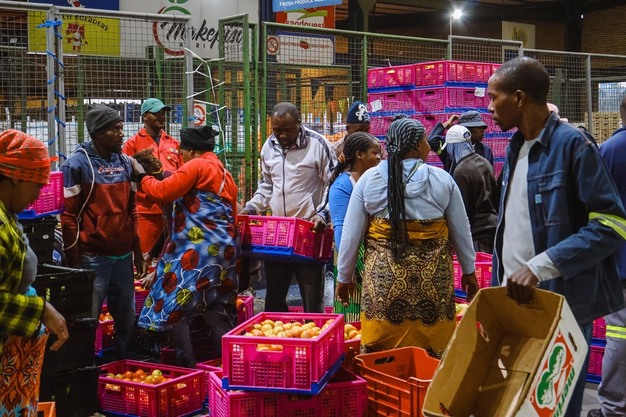
Unlike private trading platforms, which often focus on larger retailers, markets cater to a wide spectrum of buyers. At the Joburg Market, for example, 75% of buyers purchase less than R100,000 (US$5,500) worth of produce annually, while only 5% exceed R1 million (US$55,000). This reflects the system's role in serving informal traders alongside commercial buyers.
 © Grow Fresh
These markets also play an important role in employment and food access. They create direct and indirect jobs in roles such as agents, inspectors, cleaners, transporters, and packers, while providing fresh produce to both formal and informal markets, including underserved communities.
Digital innovation, traceability platforms, and real-time data tools are expected to shape future agricultural trade. However, commentators note that these tools should complement rather than replace existing structures. Many South Africans still lack consistent access to advanced technology, and municipal markets provide a widely accessible mechanism for distribution, pricing, and trade.
Fresh produce markets continue to offer regulated, functional, and inclusive services. Their role in price discovery, employment, and food access suggests that any new solutions should build on these existing foundations rather than seek to replace them.
For more information:
Anja Burger
Grow Fresh Produce Agents
Tel: +27 11 613 6981
Email: [email protected]
www.growfreshproduce.co.za