As lemons in the Southern Hemisphere enter their harvest season, global supply and demand dynamics are undergoing significant changes. This year, the concentrated arrival of lemons from Chile, South Africa, and Argentina has increased overall supply, while the upcoming new season in China is expected to further intensify market competition.
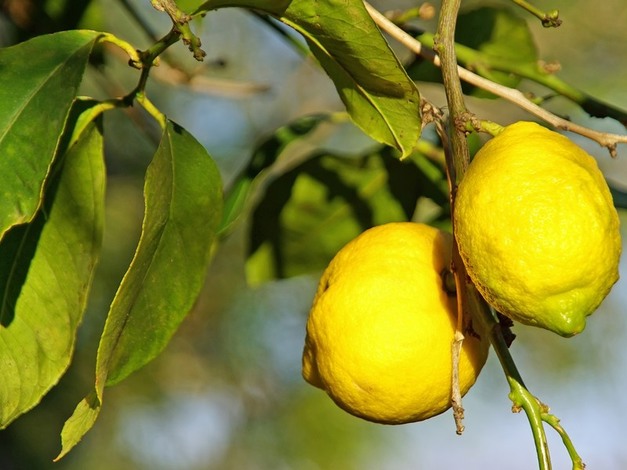 © Dreamstime
According to a Chinese lemon exporter, overall production in Chile's major growing regions has increased by 10%–15% compared to last year, marking a higher-yield season. At the same time, close attention is being paid to South Africa's overall production, including the supply pace between northern and southern regions, as well as the impact of simultaneous arrivals from Chile and Argentina on global supply.
"From a global supply perspective, lemon output in the Southern Hemisphere has increased significantly this year, leading to more intense competition than last year. Meanwhile, China's new lemon season is expected to return to normal supply levels. Yunnan will be the first producing region to enter the market, with arrivals expected in July, followed by the main production areas of Sichuan and Chongqing in September. This means the global lemon market will enter a period of more pronounced supply overlap in the second half of the year."
"From a demand perspective, overall demand in the European market remains strong, particularly in the early stages, which has helped support prices. However, in the mid- to late stages of the season, lemons from South Africa, Chile, and Argentina are still expected to face significant market pressure." The exporter added, "This issue was already evident last year. A large influx of late-season South African lemons into ports significantly impacted prices, resulting in oversupply. At the same time, increased shipments of Chilean lemons to the Japanese market placed continued pressure on sales, leading to intense price competition. In terms of risk, this highlights the growing danger of relying on a single market. Diversification has become a core strategy, as exporters can no longer depend heavily on one country or region."
 © Dreamstime
"Another notable development this year is the zero-tariff policy for South African citrus entering the Chinese market. With this policy now in effect, China is expected to become a key target market for South African exporters. Establishing distribution channels and a customer base early will be critical for future competition. Meanwhile, the Middle East market is facing considerable uncertainty. Ongoing geopolitical tensions have affected logistics stability, payment security, and consumer confidence, significantly increasing risks in traditional export destinations. This further underscores the need for exporters to diversify their markets and strengthen risk management."
Based on a comprehensive assessment of global production, supply patterns, and demand, the exporter believes that the lemon market this year will likely see tight supply and strong prices in the early stages, supported by robust demand in Europe. However, as shipments from South Africa, Chile, and Argentina increase, and China's new season enters the market, supply pressure is expected to ease in the mid- to late stages, leading to a gradual decline in prices. Overall, the market is expected to show a pattern of strong early prices, relative stability in the middle period, and weaker prices toward the end of the season.
The exporter also noted that suppliers with their own farms and packing facilities tend to have a clearer and more rational understanding of market dynamics. "They focus not only on current prices but also on managing the pace of supply throughout the season. As a result, they are proactively diversifying their market strategies to mitigate risk."
"For pure trading companies, however, the focus is more on allocating margins and coordinating resources between growers and markets. Their decisions often follow farm-level sales rhythms and short-term price movements. That said, traders cannot rely solely on growers' perspectives, as growers prioritize production and phased sales, while traders must pay closer attention to price trends, risk control, and profit opportunities across the entire market cycle."
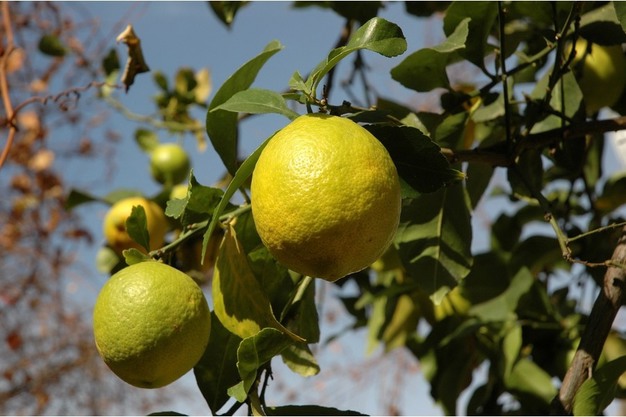 © Dreamstime
The exporter emphasized that traders need to establish their own independent market assessment framework. "They cannot simply follow the supply side passively. Instead, they must develop forward-looking market expectations and the ability to plan based on global supply, demand trends, policy changes, and regional risks. This is what ultimately determines long-term competitiveness."