In New Zealand, Foodstuffs co-operatives are working with suppliers to manage higher fuel and fertiliser costs linked to the conflict in Iran. The focus is on mitigating cost increases, agreeing on adjustments, and isolating temporary cost pressures.
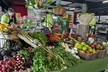
Emmett Farrell of Primor Produce in Pukekohe said logistics are being adjusted. "It's more economical to get a truckload to a distribution centre than direct to shops," he said. The company is consolidating orders and delivering to Foodstuffs distribution centres rather than directly to stores. Foodstuffs then distributes produce to shops, absorbing part of the supplier cost.
Primor Produce grows cabbage, cauliflower, lettuce, and avocados, and imports mandarins. Farrell said Foodstuffs is committing to fixed volumes from growers over extended periods.
A Foodstuffs spokesperson said the co-operative is working with suppliers to identify efficiencies that support cost management and supply continuity. Measures include optimising delivery routes, consolidating orders into full pallets, ensuring trucks operate at capacity, reducing delivery frequency, and increasing load sizes.
The supermarket group is also introducing longer-term supply agreements under its Grower Commitment Programme. This includes three-year agreements for produce lines such as cauliflower and cabbage, providing greater demand certainty for growers.
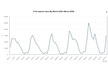
Foodstuffs reported that Stats NZ data showed 3.4 per cent annual food price inflation in March, while its comparable basket recorded a 3.7 per cent year-on-year increase.
Chris Quin, managing director of Foodstuffs NZ, said current figures do not yet reflect the full impact of higher costs across supply chains. "Because we're at the end of global and domestic supply chains", he said.
The co-operative said global fuel and packaging costs have not fully flowed through to retail pricing and aims to limit the impact on consumers. While no product shortages are reported, early effects of higher fuel costs are being observed.
Source: Farmers Weekly