Less than a tenth of banana production proceeds reach plantation day labourers in Latin America, while a larger share is captured further along the supply chain, including by retail groups headquartered in Switzerland.
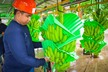
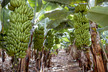
On plantations, workers cut and transport banana bunches to packing facilities, where fruit is trimmed, washed, sorted, and packed. The same day, bananas are loaded into refrigerated containers for export to Europe. Shipments move by road to port and then by sea, with transit from Puerto Bolívar to European ports such as Antwerp or Hamburg taking about two weeks. At the destination, bananas are ripened in controlled conditions before distribution.
Consumption in Switzerland remains high, with average annual intake at around 100 bananas per person. Supply sources include Colombia and Ecuador, alongside Panama and Peru. A large share of supply is certified under sustainability or organic standards.
Retail pricing ranges from about CHF1.20 (US$1.30) per kilogram for standard fruit to around CHF3 (US$3.25) for organic. Across the value chain, plantation workers receive about 7 per cent of the proceeds. Plantation owners account for around 13 per cent and importers 19 per cent. Retailers, including Migros and Coop, account for approximately 41 per cent of the sale price.
Large trading groups such as Chiquita, Del Monte, and Dole operate integrated supply chains covering production, shipping, and ripening. This structure allows control over sourcing, distribution, and timing of market supply.
Traders manage supply flows of several million tons annually, determining origin, destination, and ripening schedules. The structure of the supply chain results in a distribution of value where plantation labour accounts for a limited share relative to other participants.
Source: Public Eye