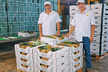
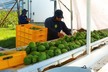
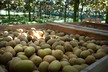
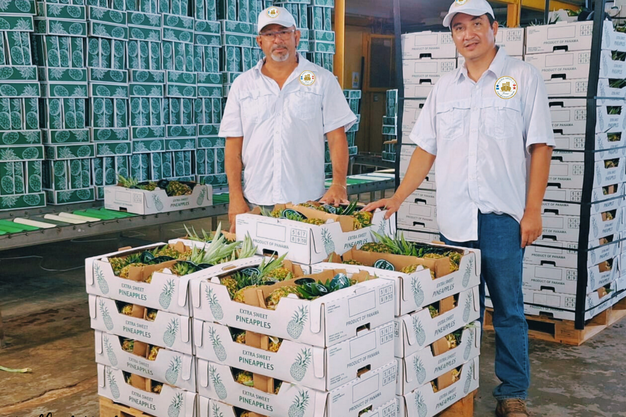
"A major change in the sector is the reduced role of multinationals and the strengthening of local exporters. In Panama, we used to rely heavily on transnationals, but attending international fairs has helped us contact clients directly," stated Isaías Zarzavilla, CEO of Isalbert Fruits S.A. This shift has helped us diversify destinations and reduce dependence on intermediaries, he added.
 © Isalbert Fruits SA
Markets such as Turkey, Lebanon, and Dubai have already been explored, but the strategy has shifted toward Europe. Rotterdam is the main entry point. "I deliver everything to Rotterdam, from where it is then distributed," Zarzavilla stated, emphasizing the importance of logistics hubs amid geopolitical and transportation challenges.
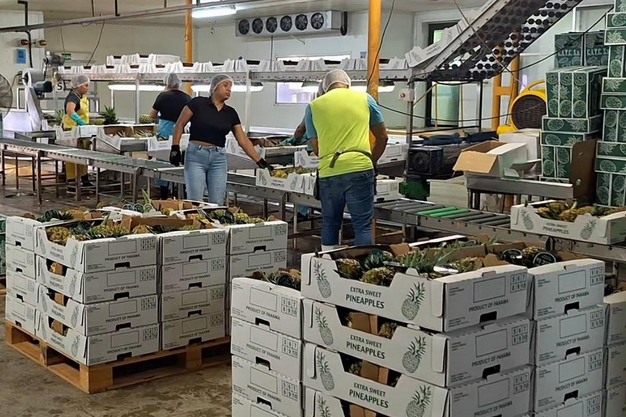
Logistically, maritime transport remains the primary export route because the volumes are too high for air freight. "We specialize in sea shipments because we transport large volumes," the CEO stated. Air freight is not an option for the company's growing production. However, increasing costs pose a challenge: "Freight costs rose by about $1,000 in the past month," he stated.
 © Isalbert Fruits SA
Prices are rising along with global demand. "Costa Rica's product used to be a dollar cheaper, but now we are at the same level," stated Zarzavilla. This is partly because the neighboring country has a smaller supply and partly because demand has increased significantly following the pandemic. "There has been a surge in pineapple demand, with sales soaring after the pandemic," he stated.
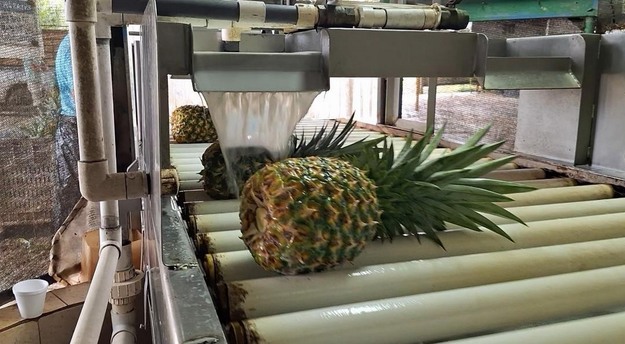
That growth is also reflected in cultivation. Isalbert Fruits plans to expand its acreage from 50 to 100 hectares. Small growers are also increasing their area to supply exporters. "We expect a good yield this year," Zarzavilla said.
 © Isalbert Fruits SA
However, the sector faces significant challenges, particularly related to climate change. "Climate change is causing pineapples to flower spontaneously more frequently throughout the year," he stated. This requires more attention during cultivation. Furthermore, unusual weather conditions are causing quality problems: "We've noticed burns on the peel that we've never seen before."
Technologically, the company is exploring the use of ozone (O3) filled containers for long-distance shipping. "We are considering using these containers to reach more distant markets, such as China. The goal is to keep the fruit fresh longer and preserve the quality during transport," Zarzavilla added.
 For more information:
Isaias Zarzavilla
Isalbert Fruits S.A.
Panama
Tel: +507 6550 9297
Email: [email protected]
www.isalbertfruits.com