From 1 January to 4 March 2026, Russian inspectors in the Kaliningrad region cleared 475 consignments of imported citrus fruit totaling more than 2,900 tonnes. This exceeded the 2,400 tonnes imported during the same period in 2025.
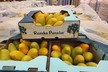
Mandarins accounted for the largest share, with 1,700 tonnes imported, including 1,200 tonnes from Turkey. Orange imports reached 663 tonnes, including 543 tonnes from Egypt. Other arrivals included 268 tonnes of lemons, 151 tonnes of pomelo, 90 tonnes of grapefruit, 10 tonnes of limes, and 5 tonnes of sweeties from countries such as Zimbabwe, Israel, China, Morocco, and South Africa. All shipments passed phytosanitary inspections and laboratory testing.
On 5–6 March, inspectors at the port of Novorossiysk found Mediterranean fruit fly (Ceratitis capitata) in three consignments of mandarins from Egypt totaling 69.1 tonnes. The fruit was fumigated and released only after laboratory tests confirmed the pest had been neutralised.
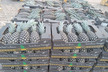
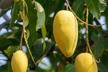
Between 1 January and 10 March, more than 3 tonnes of exotic fruit arrived in Irkutsk by direct flights from Thailand. The shipments included mango, dragon fruit, durian, guava, jackfruit, longan, mangosteen, passion fruit, pineapple, rambutan, and coconuts. Nine consignments were inspected and cleared for sale after laboratory testing.
On 10 March, inspectors in the Moscow region detected Mediterranean fruit fly in a 20.4-tonne consignment of mandarins from Turkey. The shipment was fumigated on 12 March before being released.
Source: fsvps.gov.ru