New Zealand's strong performance in global food self-sufficiency rankings is drawing attention amid rising concerns over the resilience of global food supply chains. A recent study published in Nature Food analyzed the food production capacity of 186 countries in the event of major global disruptions such as trade tariffs, armed conflicts, pandemics, or energy price shocks.
The study found that more than one-third of countries could not meet their population's dietary needs for more than two of the seven essential food groups without relying on imports. New Zealand, however, is self-sufficient in five of these seven groups: fruit and vegetables, meat, dairy, fish, and seafood. The country falls short in producing adequate quantities of legumes, nuts, seeds, and starchy staples to meet all dietary guidelines.
Dr Hans Maurer, Chair of the Technical Advisory Group at United Fresh, noted that while New Zealand's horticulture industry is well-developed, it still faces persistent challenges. These include weather-related risks and biological threats such as pests and diseases, which require consistent management and investment. He stressed the importance of maintaining and strengthening domestic food systems in the face of uncertain global trade dynamics.
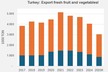
According to Fresh Facts 2024, an annual industry report, New Zealand's fresh fruit and vegetable exports totaled $4.3 billion in 2023, an 8% increase from the previous year. Domestic consumption also remains high, with New Zealanders spending nearly $1.4 billion on locally grown fruit, vegetables, and mushrooms over the same period.
In response to the growing importance of food security and economic resilience, the horticulture sector, supported by Horticulture New Zealand and the Ministry for Primary Industries, launched the Aotearoa Horticulture Action Plan in 2023. The initiative sets out a pathway to double the sector's farmgate returns by 2036. Analysts estimate that to meet this goal, the industry would need to grow at a compound annual rate of 4.81%, reaching a projected value of $7.36 billion.
New Zealand's diverse climate and soil types allow for a wide range of horticultural production, from citrus and avocados in the north to stone fruit in the south. The domestic distribution network includes over 800 supermarkets, 500 greengrocers, 25 farmers' markets, and many other outlets.
Despite its strengths, the sector remains subject to the pressures of global market forces, weather variability, and supply and demand dynamics. Industry leaders emphasize the importance of continuous improvement to maintain New Zealand's position in both local and export markets.
 For more information:
United Fresh New Zealand
Tel: +64 9 480 5057
Email: [email protected]
www.unitedfresh.co.nz