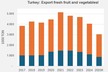
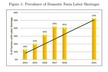
Some claim that NZ is in a quandary. The nation exports top quality, high-earning food, yet 15-20 percent of New Zealanders are moderately to severely food insecure at any one time. In the basket of living expenses, food is the first to be cut in order to pay other bills like housing, transport and energy.
While it's strange that NZ produces high quality, nutrient-dense food for export but has hungry people (and people only eating nutrient-poor food), one does not directly trigger the other. Some want to refocus or redesign the food system so these anomalies are ironed out and the system works better for people.
While annual food prices in Aotearoa New Zealand have risen since 2021 to reach their current 36-year high affecting households nationwide, in 2022 our largest food service businesses (takeaways) generated revenue of $12.8 billion, back on their financial growth track after Covid-19.
Having a deeper understanding of the food system allows us to understand why problems occur within it. There are also things outside the food system, like income inequality, that influence how parts of the system play out for people. Fortunately, there are also many great solutions and opportunities within the system as well.
The paradox of exporting plenty of food while having hungry people is a great example. This could be solved by:
- Work with our growers, farmers, and food makers to ensure they are supported. They're facing enormous challenges right now like the impacts of climate change on businesses and land, regulations, and rising costs of inputs.
- Get food from farmers and growers directly to consumers at an affordable price, expanding options like vegetable delivery boxes, farm stores, and supporting market gardens particularly in and around urban areas to feed city populations.
- Remove specifications and expectations around standards of produce perfection in food retail. This will remove issues of fruit and vegetables being thrown out to get the perfect specimen, allowing those foods to be eaten.
- Shift the big two supermarket operators. There is a nudge here with the Grocery Commissioner Pierre van Heerden being appointed following Commerce Commission recommendations, but recent reports doubt those recommendations go far enough to allow new players into the market.
- Ensure our food environments are designed in a way that supports healthy food being the affordable and easy choice for people. This is our urban design and public spaces giving priority to healthy and affordable food over junk food marketed at children and poorer communities, and looking deeper into actions like programmes to feed school children.
Source: rnz.co.nz