You are using software which is blocking our advertisements (adblocker).
As we provide the news for free, we are relying on revenues from our banners. So please disable your adblocker and reload the page to continue using this site. Thanks!
You are receiving this pop-up because this is the first time you are visiting our site. If you keep getting this message, please enable cookies in your browser.
Between December 1 and 3, 2014, Jochem Wolthuis of the Fresh Produce Center Germany Desk led a fact-finding mission to Southern Germany.
The delegation consists of 17 entrepreneurs from the horticultural sector: Lodewijk Wardenburg of the Bom Group, Paul Jochems of Brabant Plant, Onno Zwaan of DLV glas & energie, Otto Klop of Greefa, Arie Middelburg of GreenMatch, Aad van Dijk of The Greenery, Gerrit Land of GrowPower, Johan Hensen of Haluco, Michiel Bontenbal and Jos Looije of Looije Tomaten, Theo de Groot of MPS, Peter Colbers of Syngenta, Ton Janssen of Tasty Tom, Ferry Aarse of Valstar Holland, Jan van den Bos of Van der Windt Verpakking, Robert Roodenburg of VGB and Tim Huijben of Viscon.
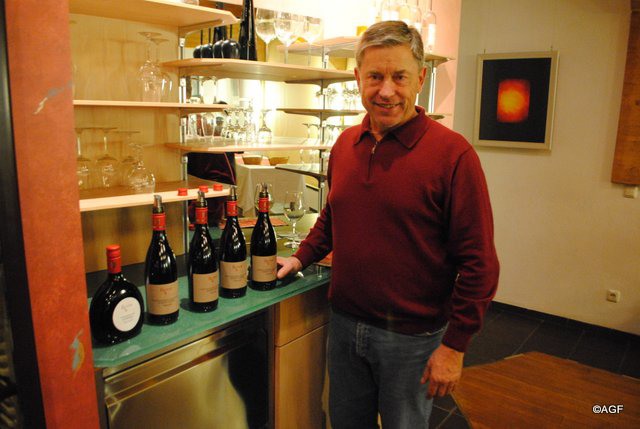
The Southern German wine sector has been through a pretty big crisis. By uniting, working on image and experience, a lot of improvement has been achieved. Gerhard Roth of Biowein Roth showed how that works.
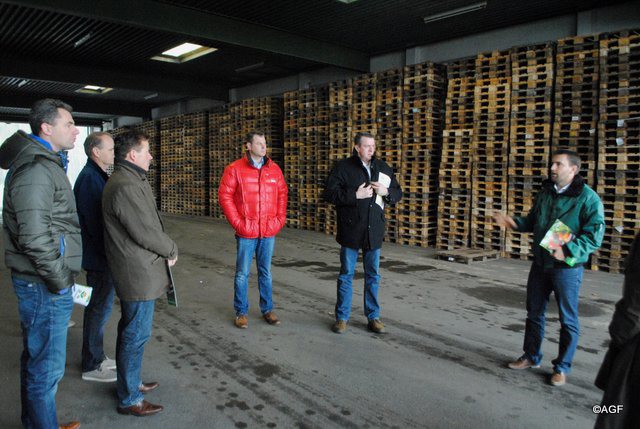
The second day started with a visit to Gartenbauzentrale Main-Donau. Kai Fuchs explains more about the sales cooperative.
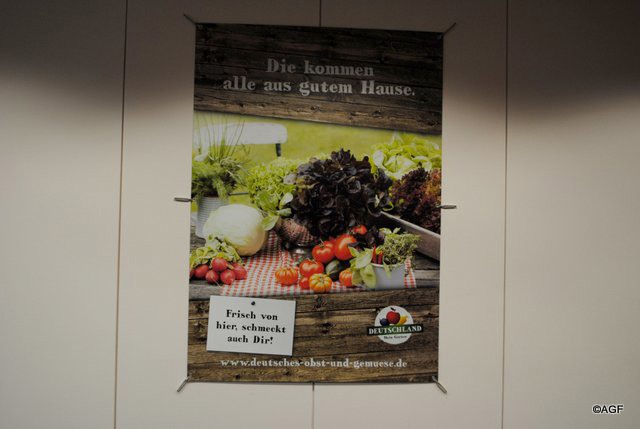
Die kommen alle aus gutem Hause, a campaign started after the Russian boycott to promote German produce.
It's now a quiet period, Fuchs said.
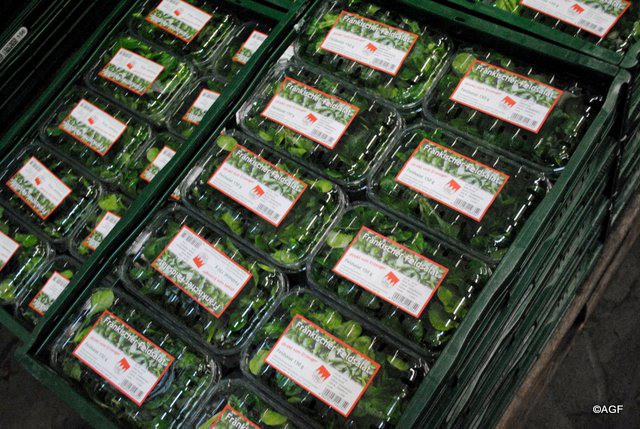
Lamb's lettuce is entering the market with regional label.
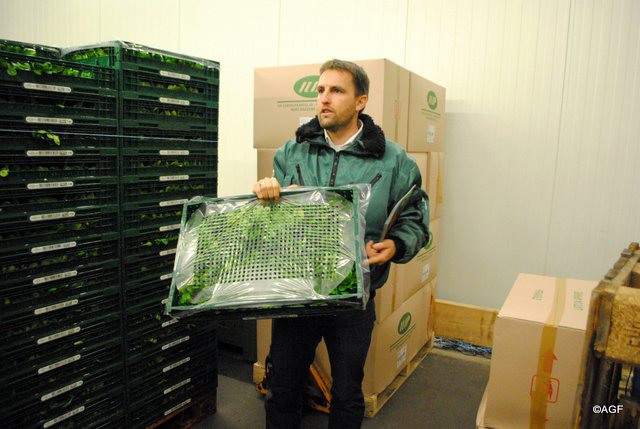
The product is supplied like this, and packed by hand in clamshell packagings.
The colours of the region are on the packagings.
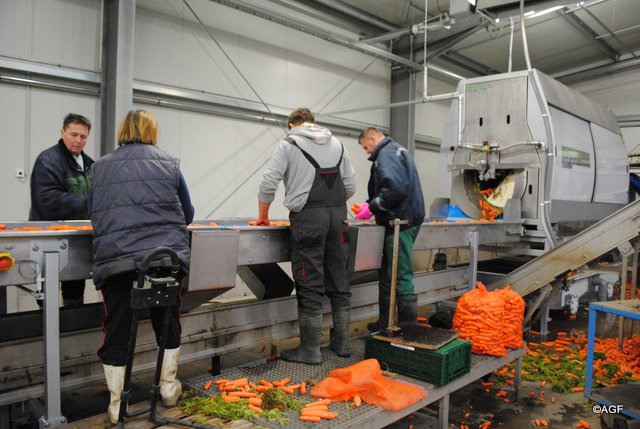
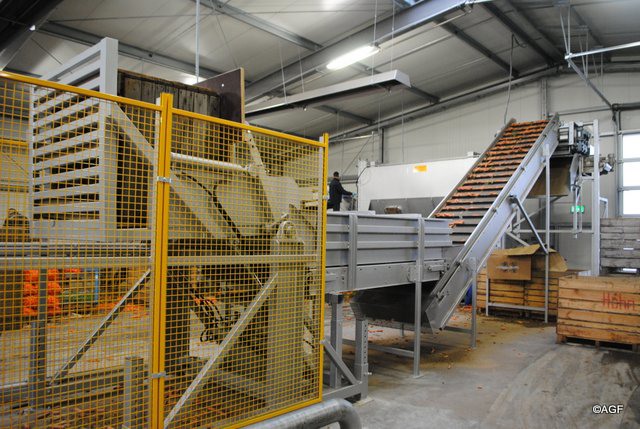
The new carrot processing line.
In use since a couple of months.
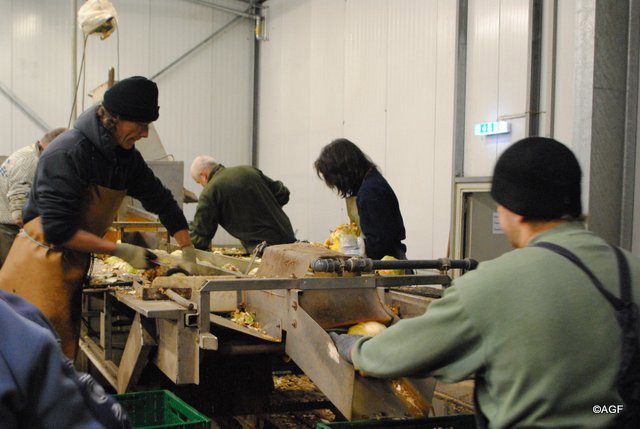
Remarkable how much labour is needed for processing celeriac. Six people are at the line.
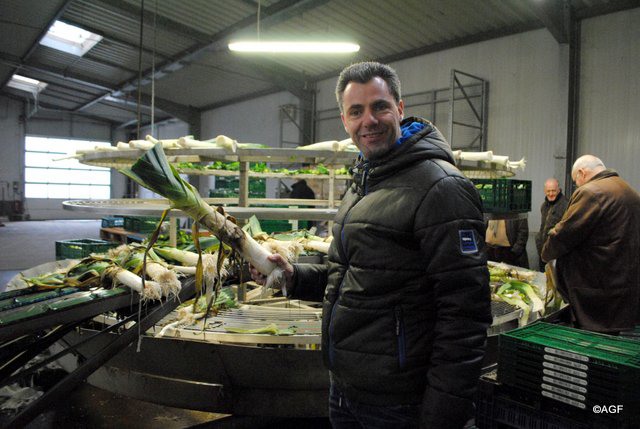
The largest leek that Aad van Dijk of The Greenery has seen in quite a while!
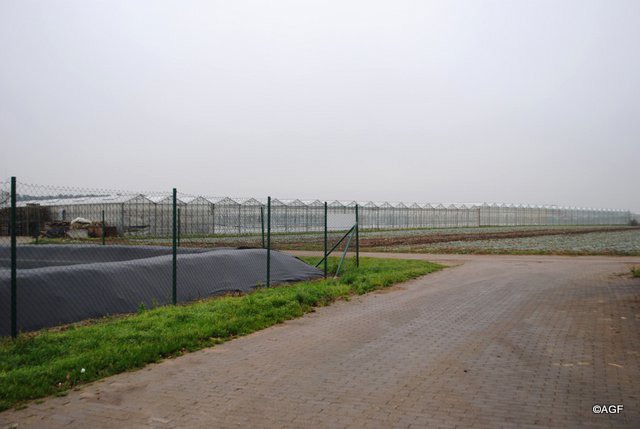
German horticulture is rather outdated. The greenhouses are built and remain standing until they fall apart.
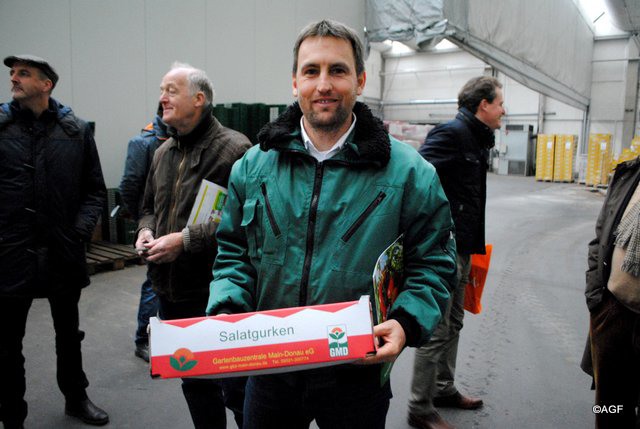
Andre Busigel, cucumber grower, tells more about his company.
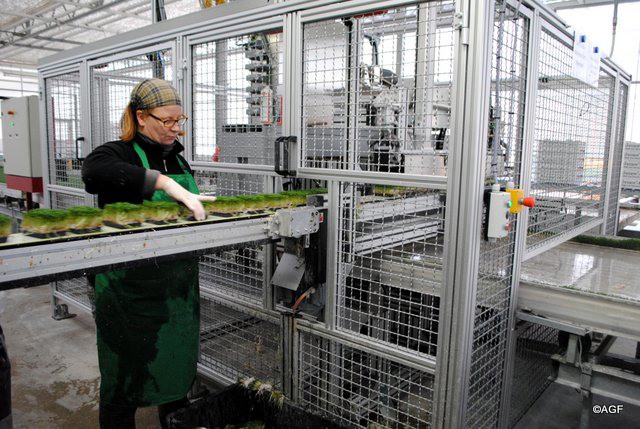
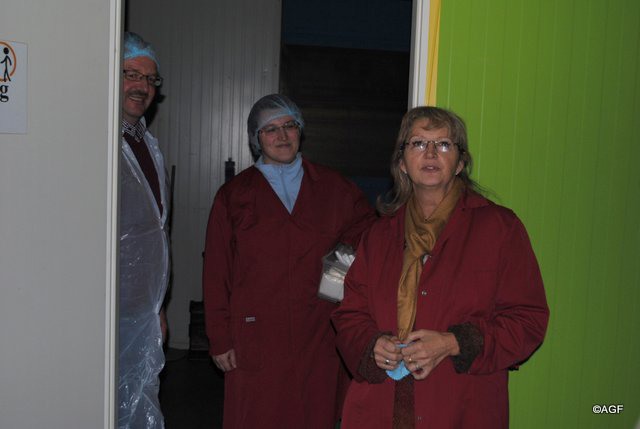
Visit to Gimperlein Bio Kresse. Before the cress is packaged, this woman selects the trays she would not buy in the store. They absolutely mustn't end up there. Better to select strictly than receive complaints, Elmar Gimperlein says.
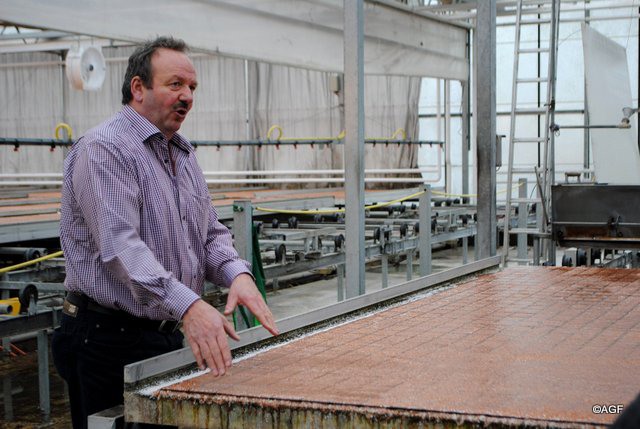
Elmar Gimperlein talks about the cultivation
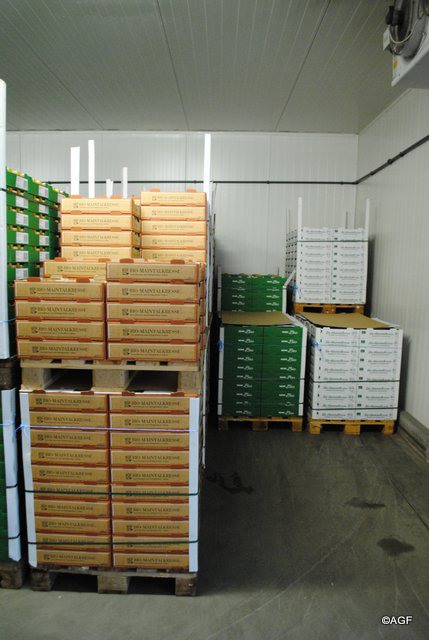
Packagings for all large retailers
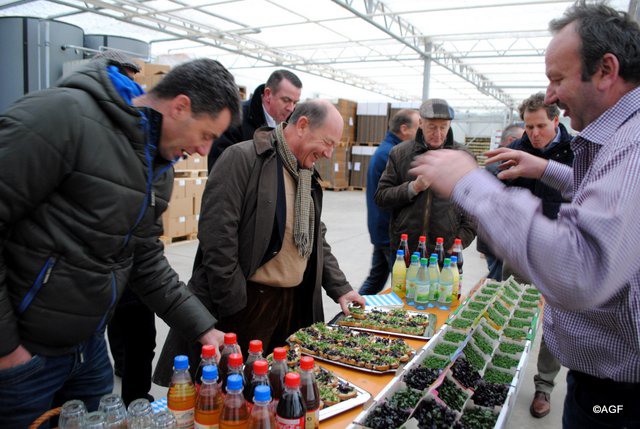
Tasting some as well, of course!
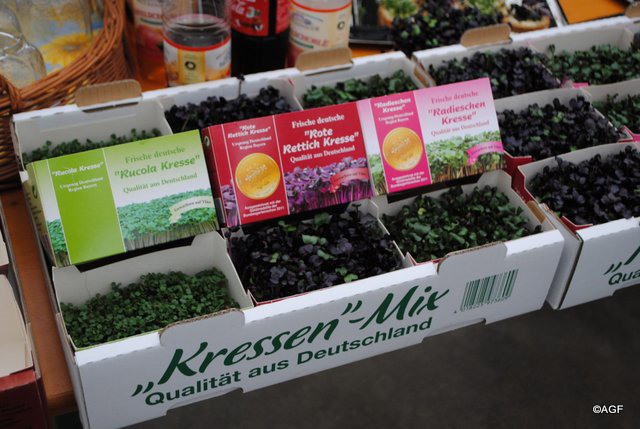
Rucola Kresse, Rote Rettich Kresse, Radieschen Kresse. This is done in cooperation with Koppert Cress.
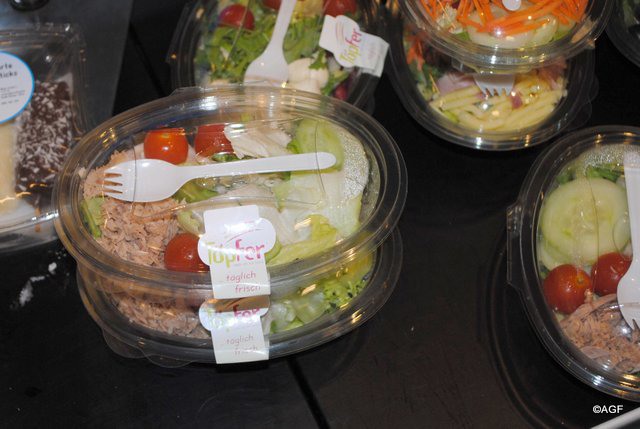
A visit to Topfer Salate, processing company.
Run by the Wiebrecht family.
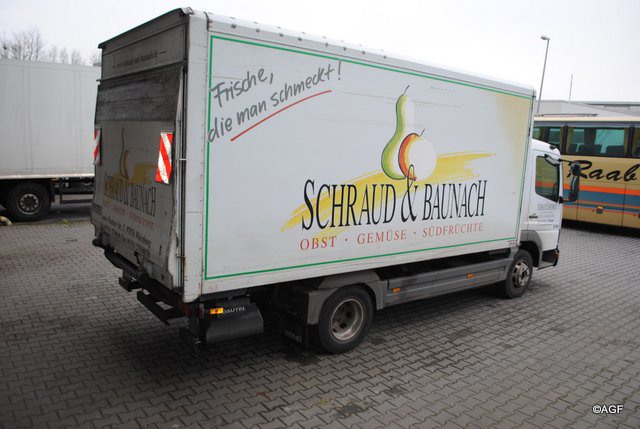
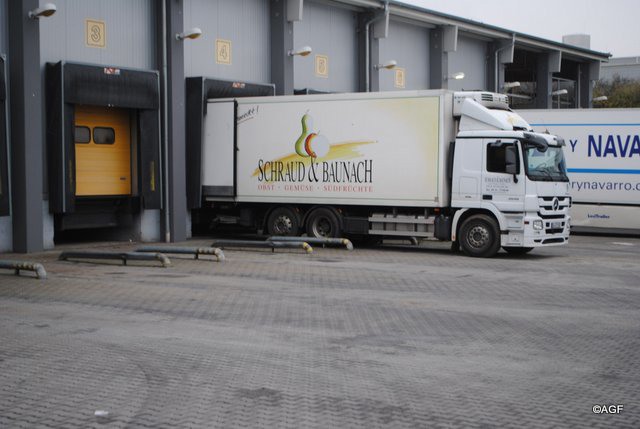
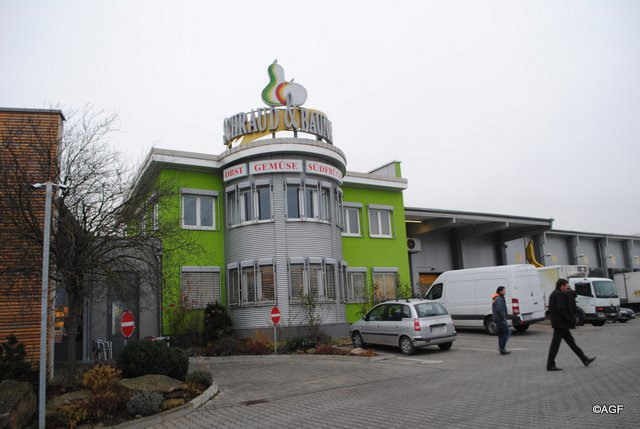
To trading company Schraud & Baunach. The company combines the trading company with an own supermarket and an eatery.
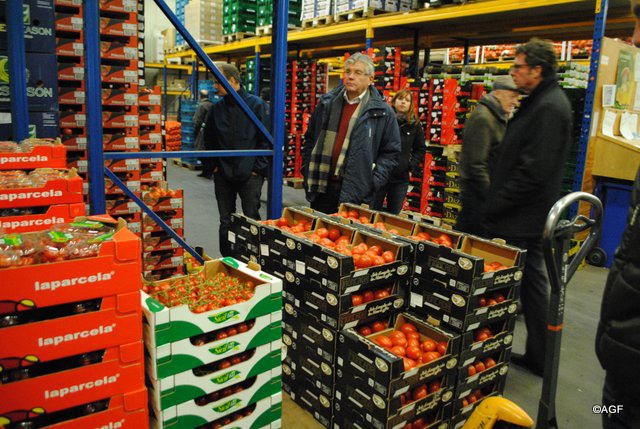
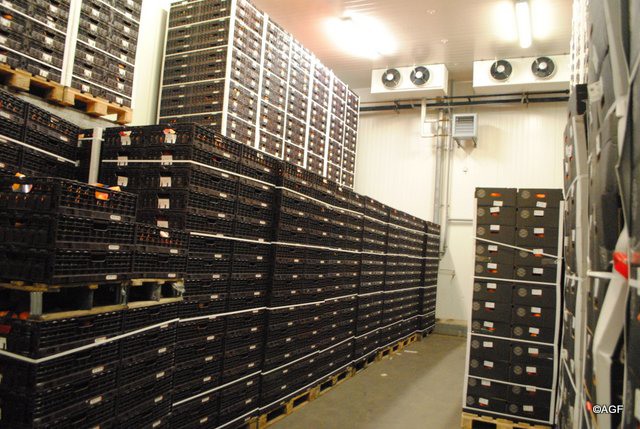
Hardly any Dutch produce to be found in the warehouse.
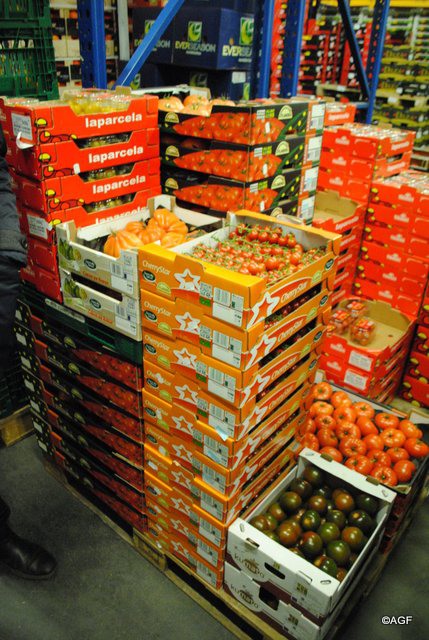
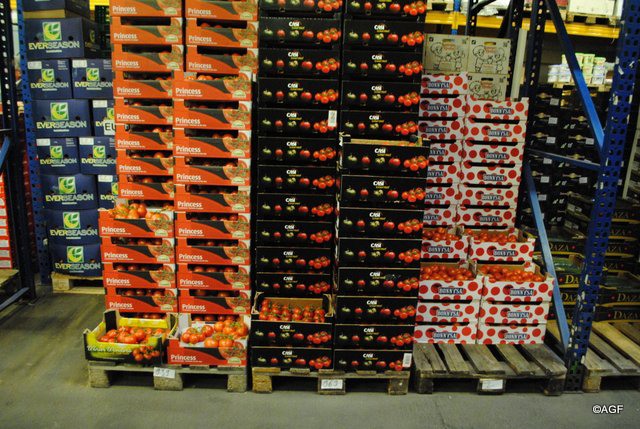
Quite a number of Belgian tomatoes though.
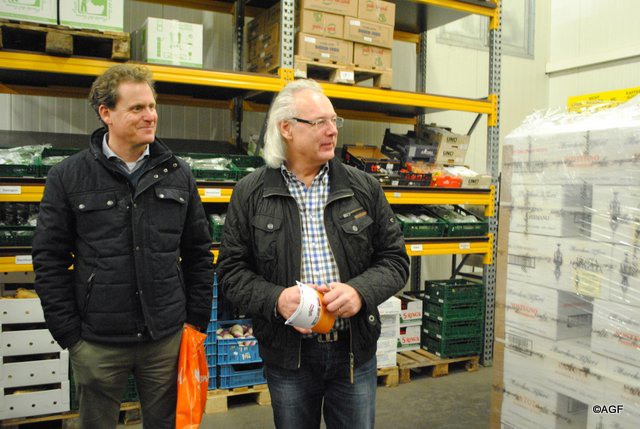
Karl-Heinz Baunach has good experiences doing business with the Belgians, he says.
Bottom left, a box Winter Wonders, from Kompany
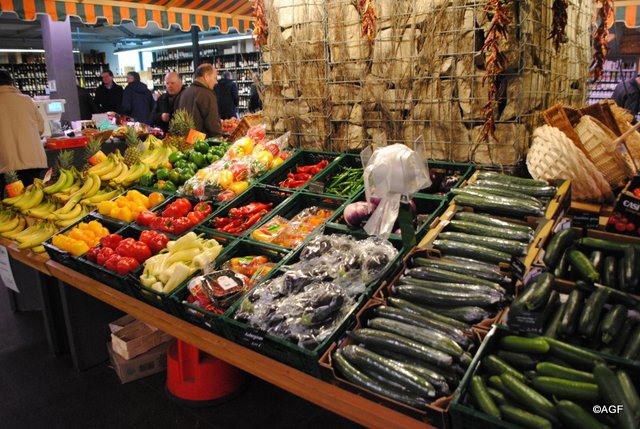
Cucumbers Curvados
And Daza
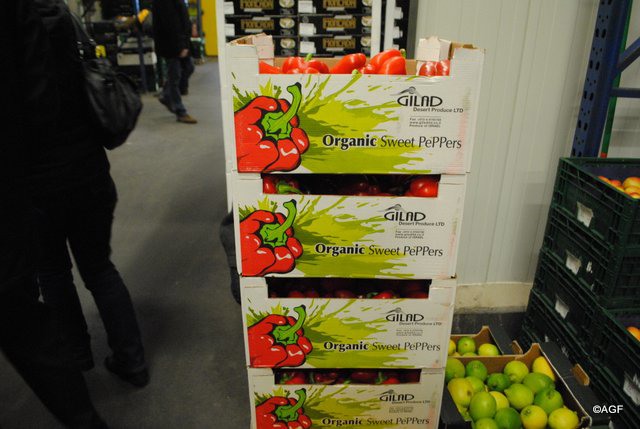
The first organic bell peppers from Gilad, from Israel
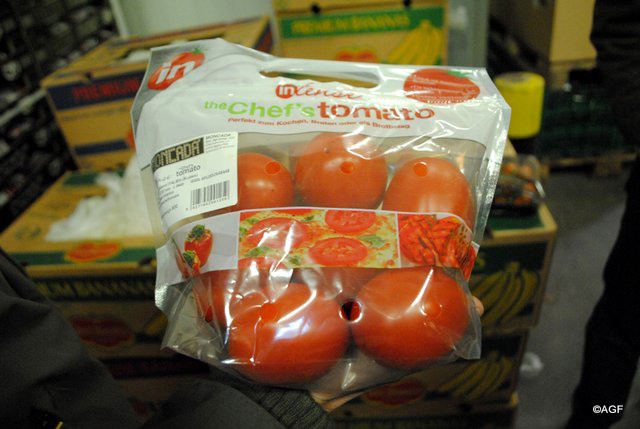
Spanish Intense tomatoes
Dutch tomatoes! After searching long and hard, we found this Harvest House packaging.
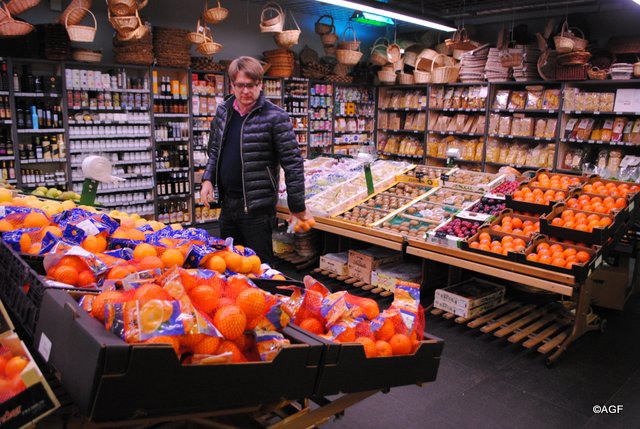
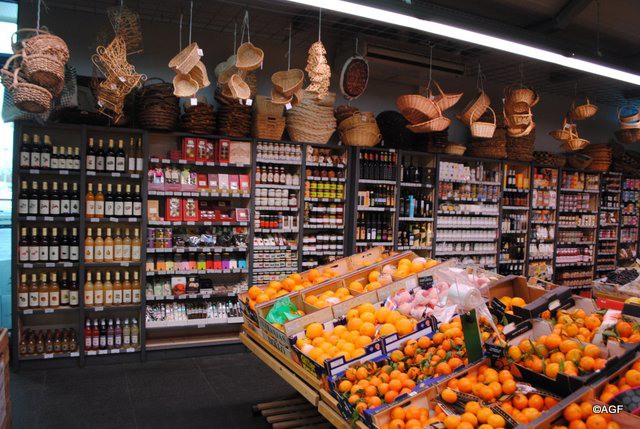
The citrus season is in full swing early December at Schraud & Baunach.
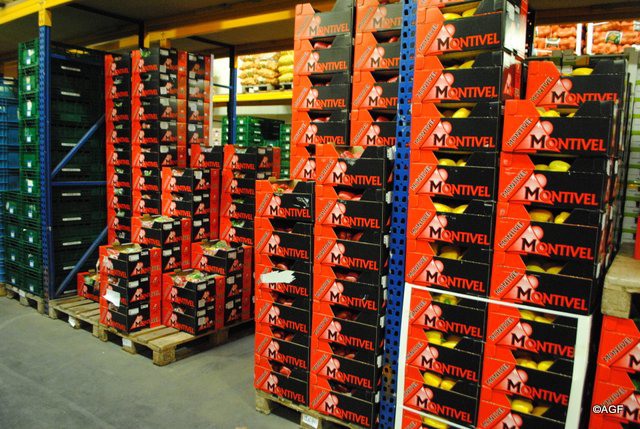
Montivel bell peppers
Schraud & Baunach
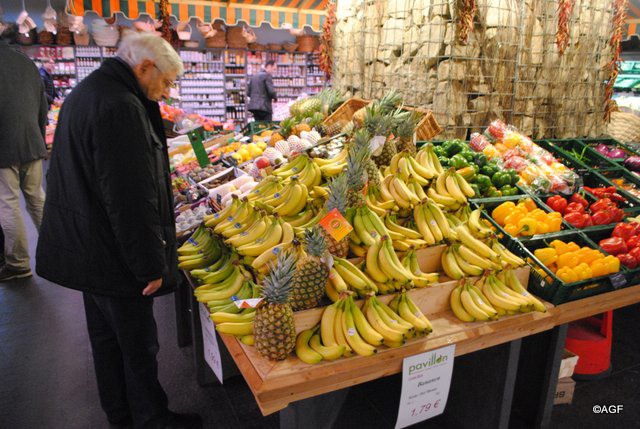
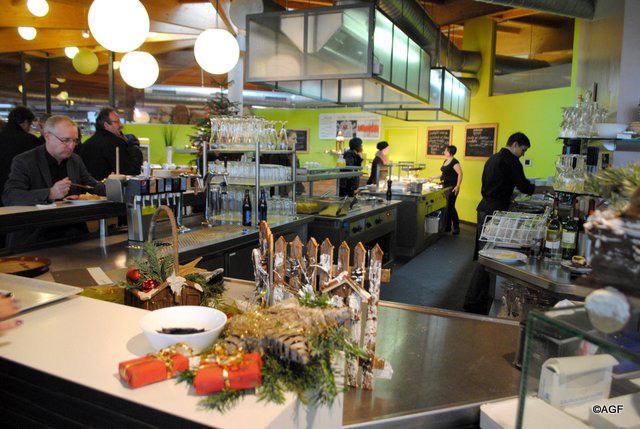
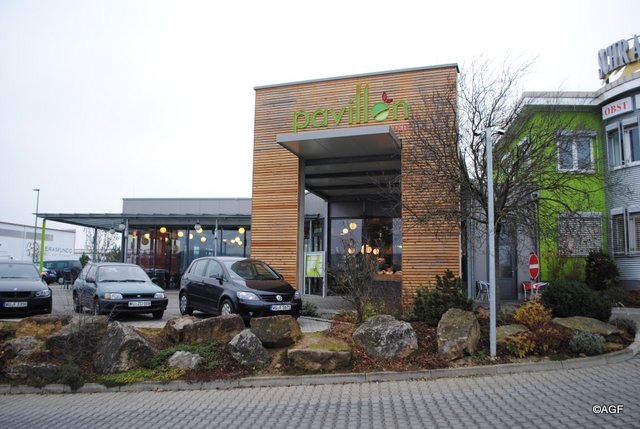
With next to it Pavillon, a restaurant
And a supermarket. Procurement at the supermarket is separate from the trading company, Karl-Heinz Baunach emphasizes.
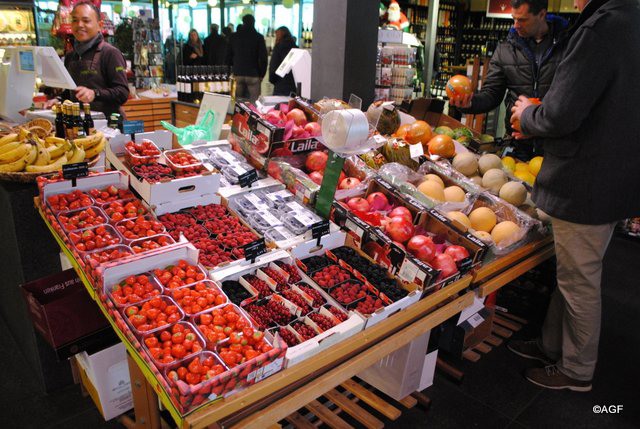
The store is somewhere between a supermarket and a speciality store. The product range comprises fresh produce, a high segment of dry goods and a huge range of wines.
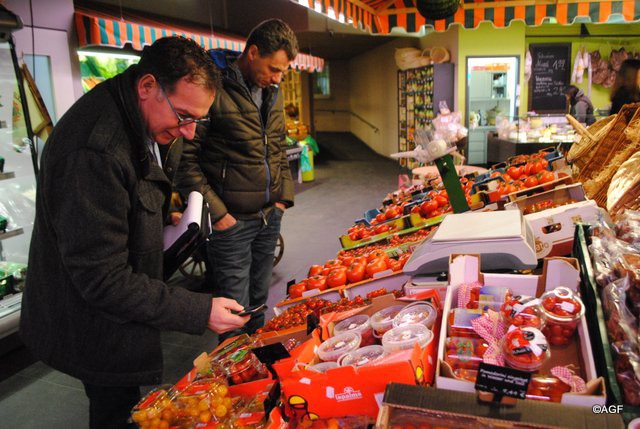
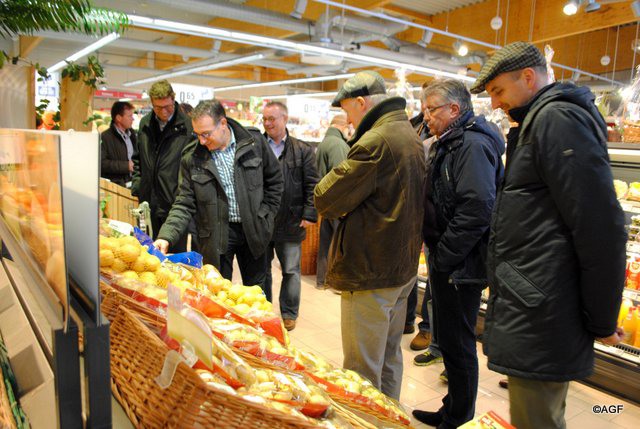
Just checking the tomatoes with our own fresh produce experts.
Procurement is done through Schraud & Baunach, so hardly any Dutch produce here either.
A market feel.
Eggplants packaged
In the middle fresh produce, on the sides dry goods
And a huge range of wines
Soft fruit
The store is somewhere between retail and specialty store
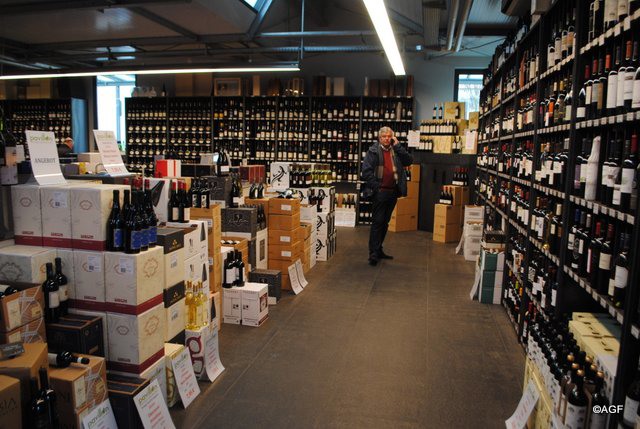
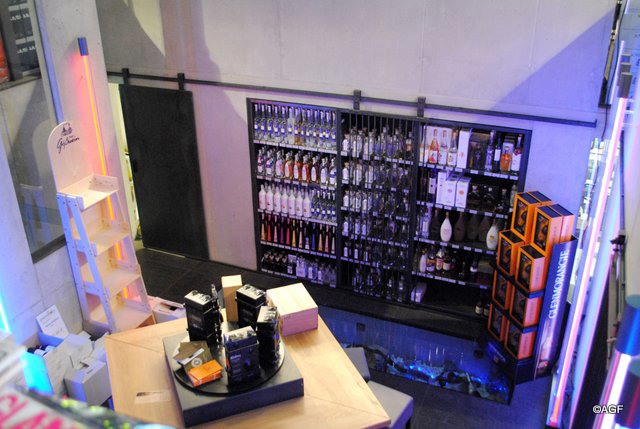
And liquor store. The range of wines is enormous.
The wine cellar.
The convenience range is very small.
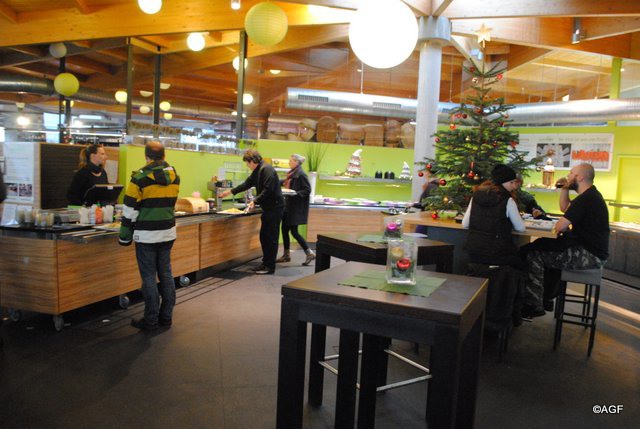
The adjoining eatery.
Self-service
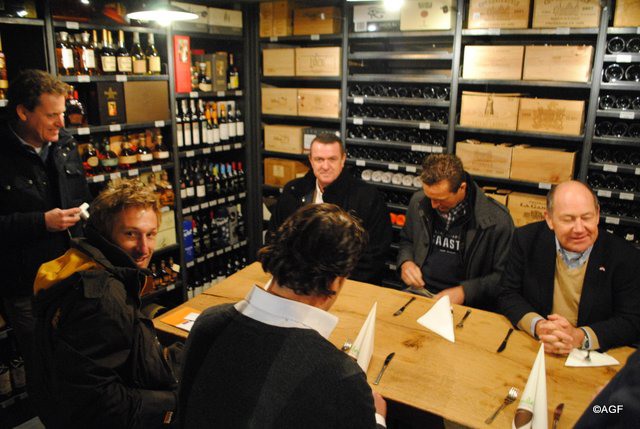
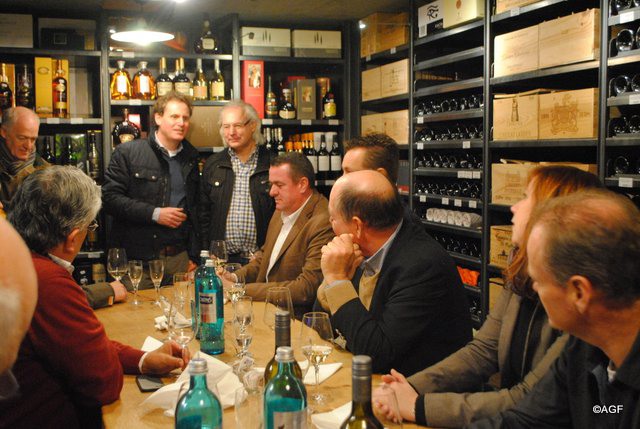
Lunch in the wine cellar. It's about experience here as well.
Having lunch between the wine barrels.
An explanation about Karl-Heinz Baunach's company.
Around the corner you can find Schraud & Baunach.
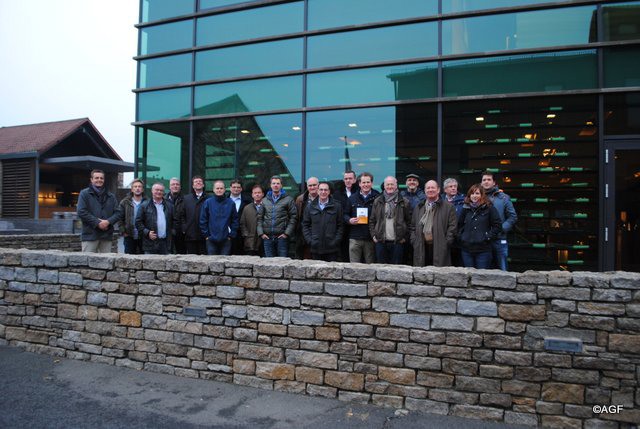
Group photo.
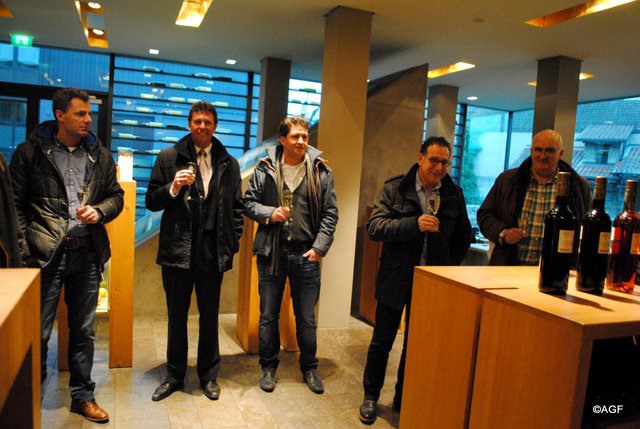
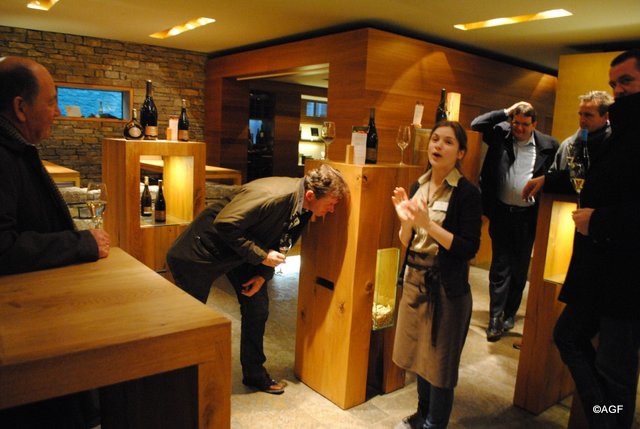
The next stop is Winzerkeller Sommerach. It's all about experience here as well.
At the pillars, customers can taste, feel, smell, see and hear the wine. Very different from wine on a shelf.
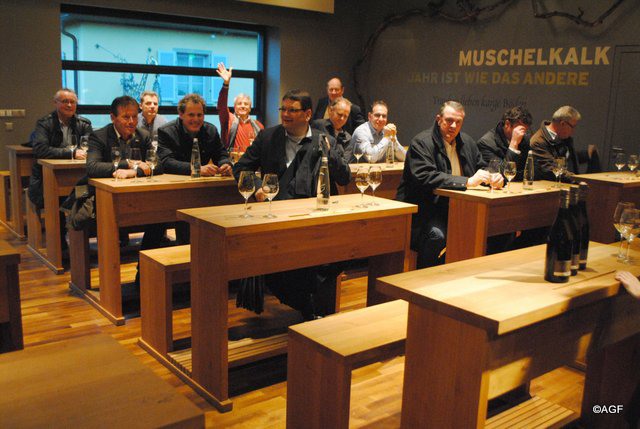
Back to school for a wine lesson!
What difference does a nose clip make?
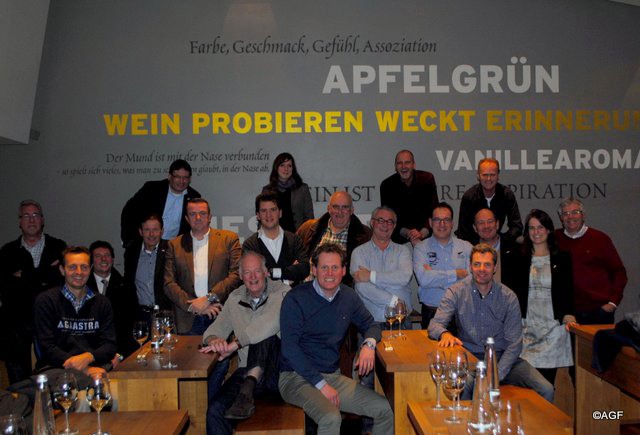
A sort of class picture.
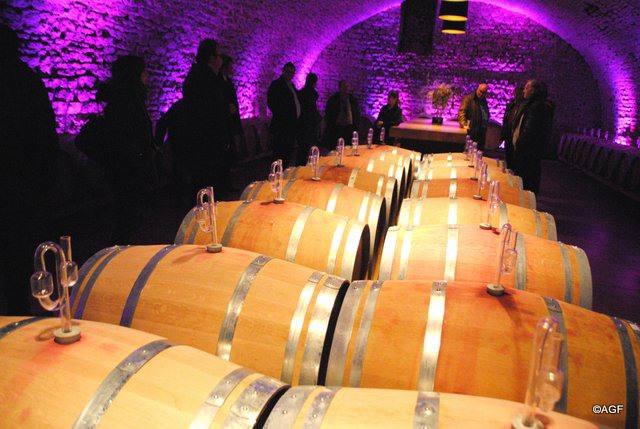
In the wine cellar, it's also not just about the wine, but about the whole experience. Old barrels, modern LED lighting. Clear explanation and a comprehensive story.
Next stop: the Edeka Kolb in Volkbach.
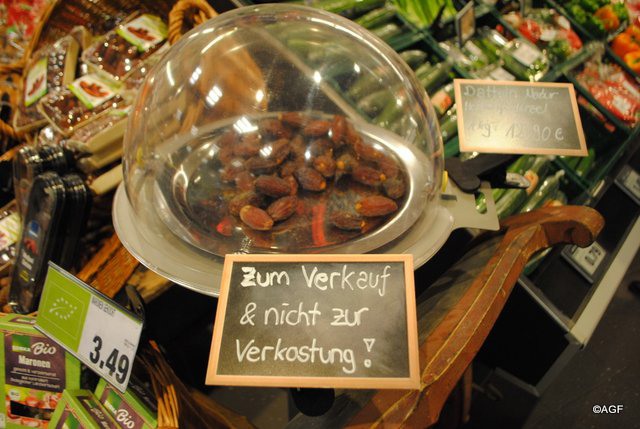
Not for snacking in the store.
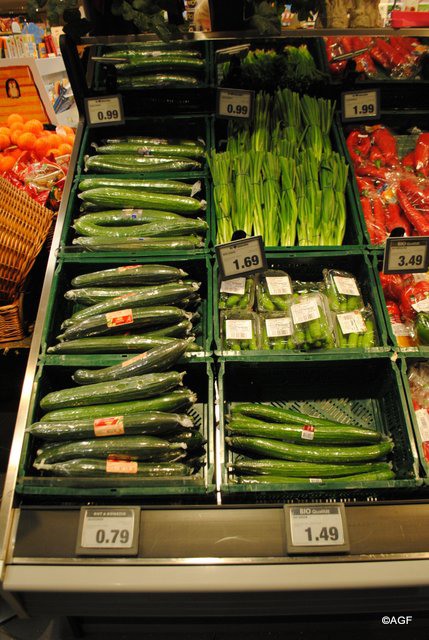
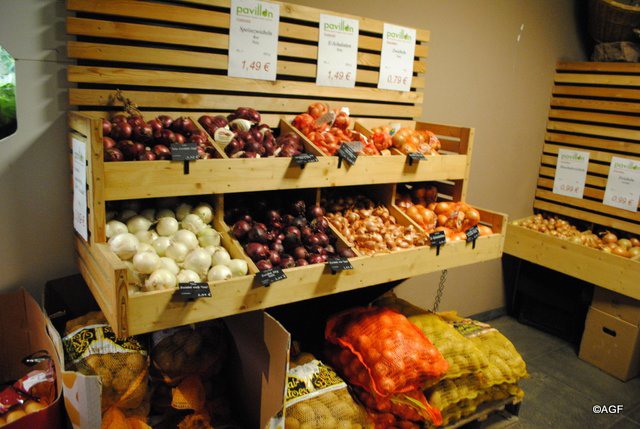
Cucumber from Edeka beste Wahl: 79 cents. Edeka brand 99 cents, organic 1.49.
packaged and loose product.
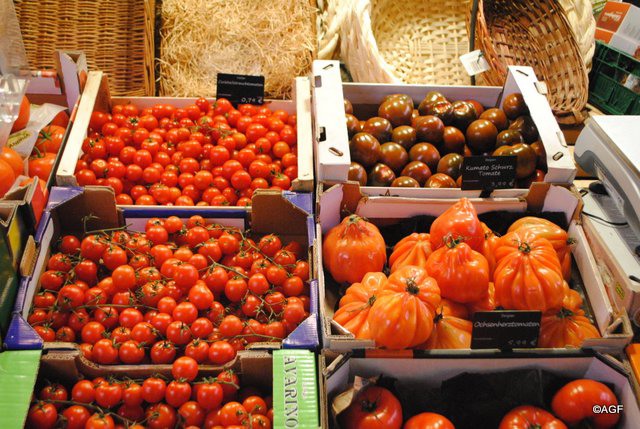
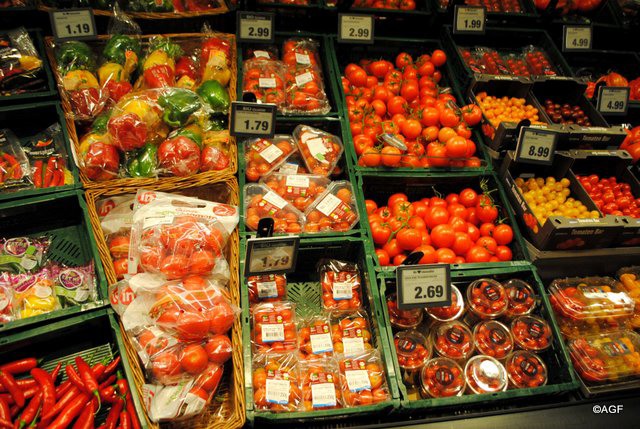
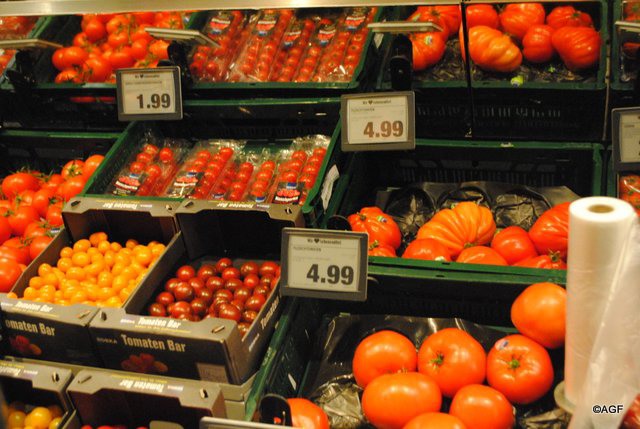
Wide range of tomatoes, great quality
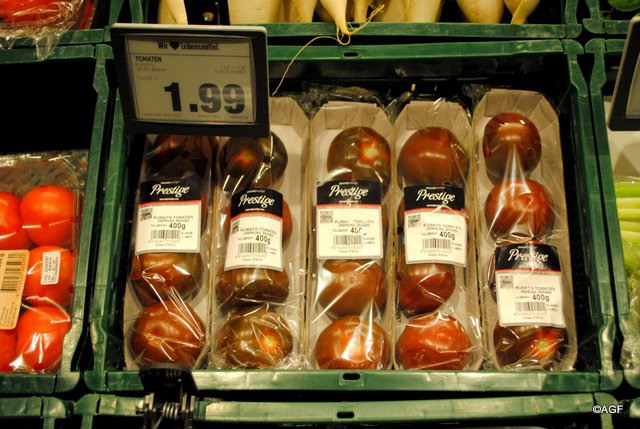
Kumatoes are found remarkably often in the German supermarket.
Eggplants among the open field products
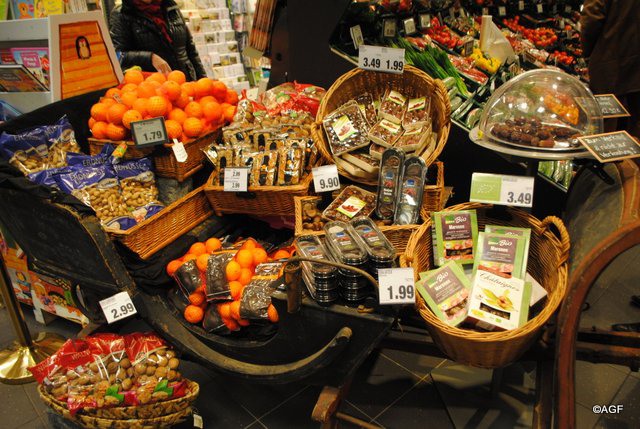
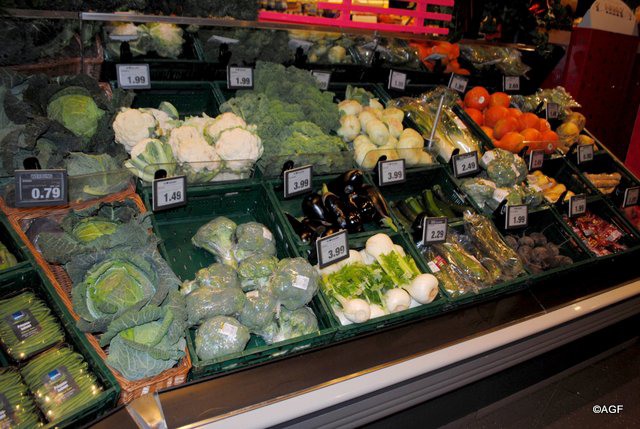
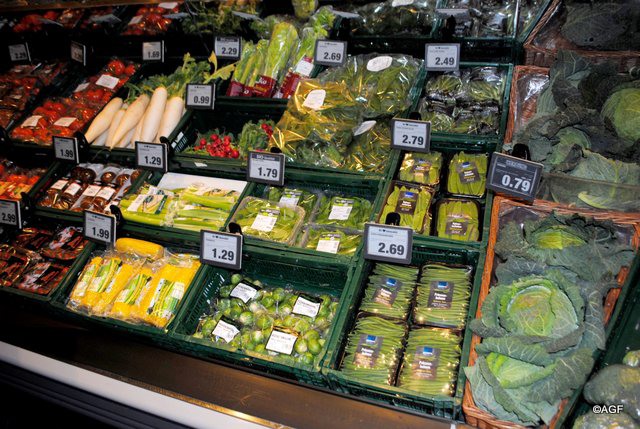
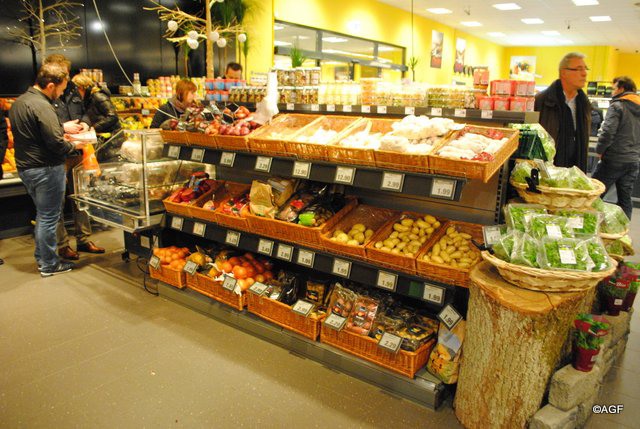
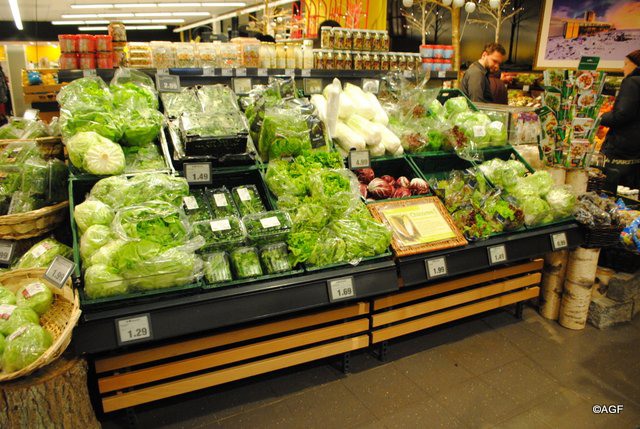
Display in baskets
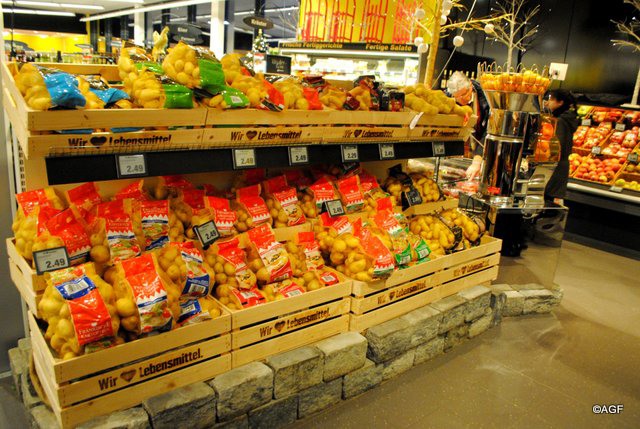
And in wooden crates
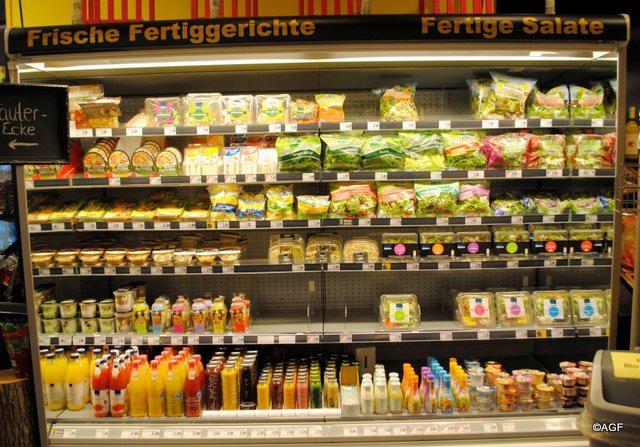
The convenience shelf
More convenience - remarkably large for a German retailer.
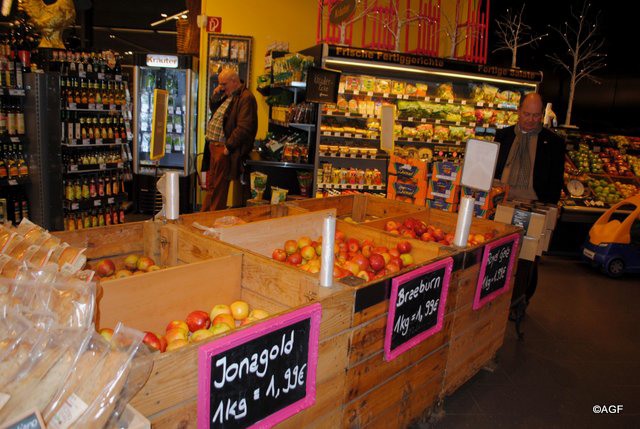
Apples in wooden containers.
And also packaged produce.
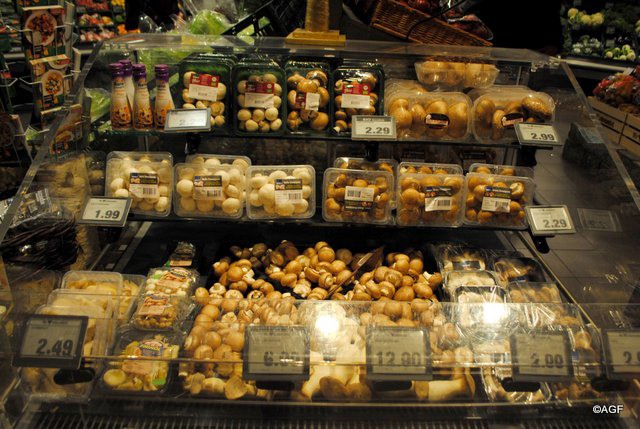
Mushrooms are an important product in many German supermarkets.
Pomelos in plastic with a sisal rope and information about the product.
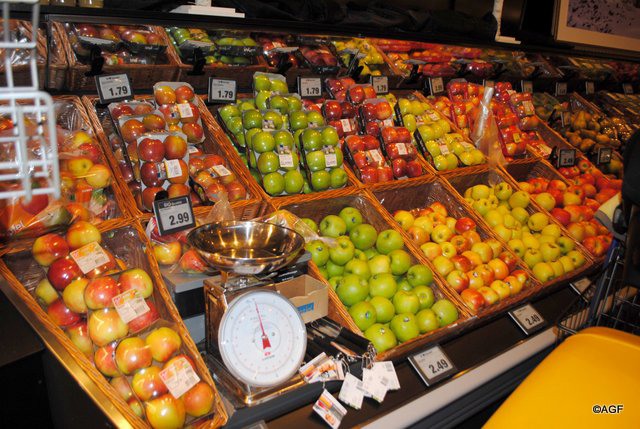
Fruit department
Salads from Topfer, visited earlier.
Wide range of tomatoes.
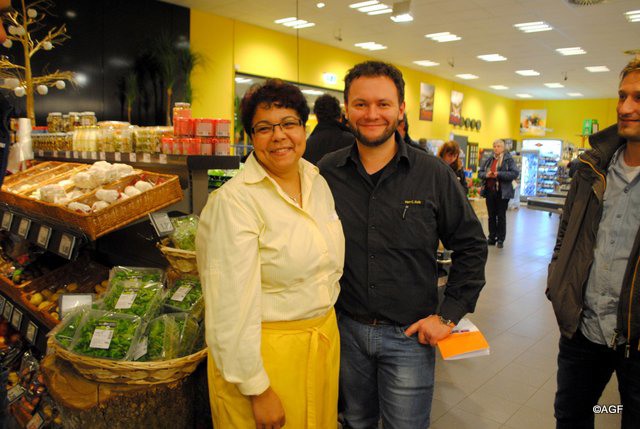
Herr Kolb with frau Doll, responsible for the fresh produce sector.
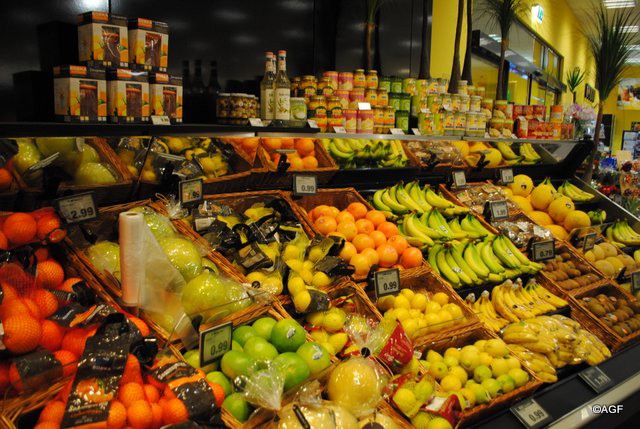
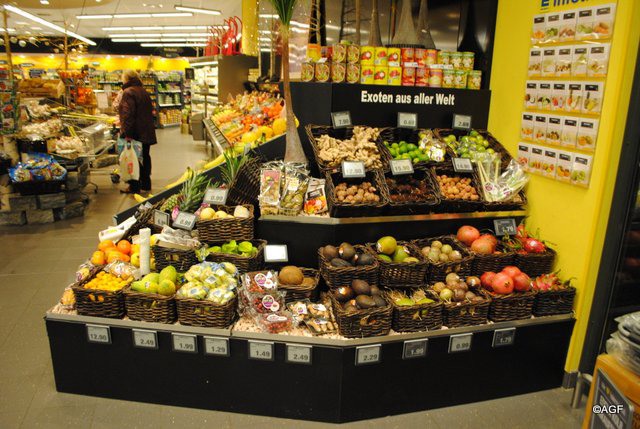
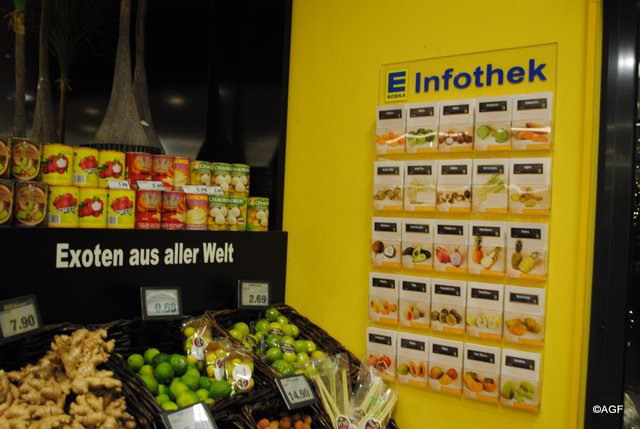
A wide range of exotics.
With an explanation on the products.
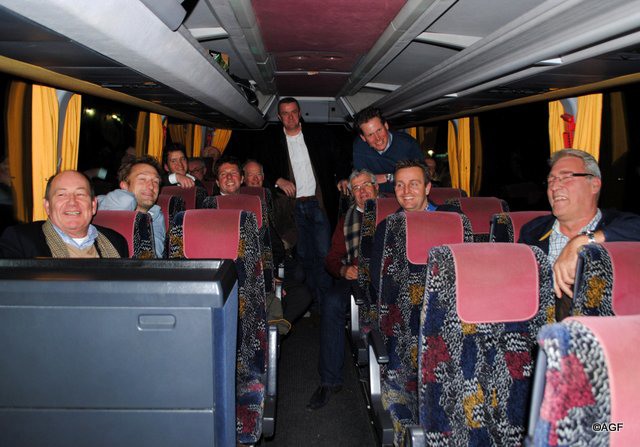
And then on our way to dinner - a breakdown!
But if everyone stands in the back, we'll get there.
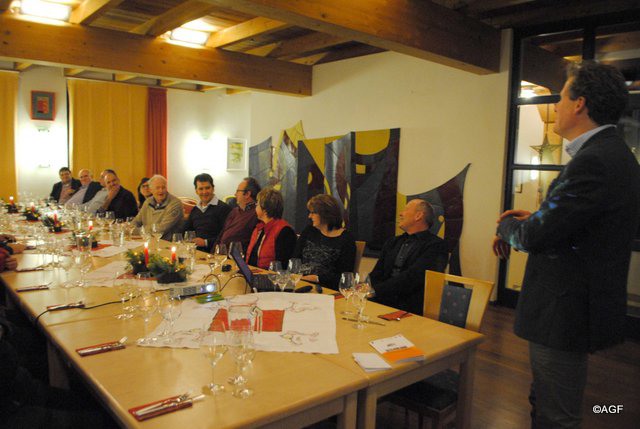
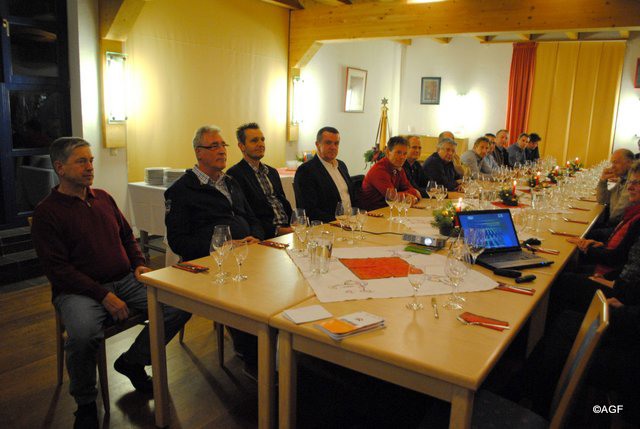
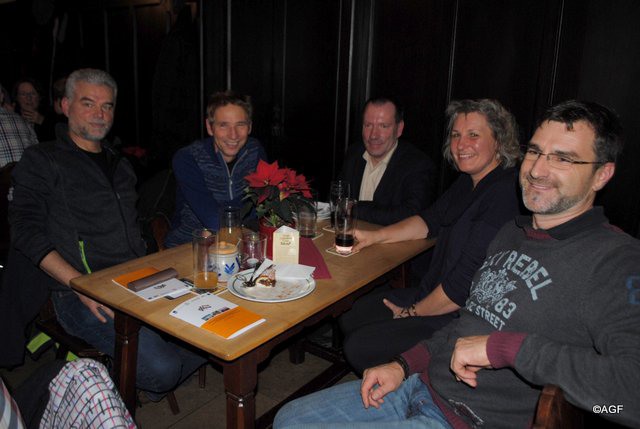
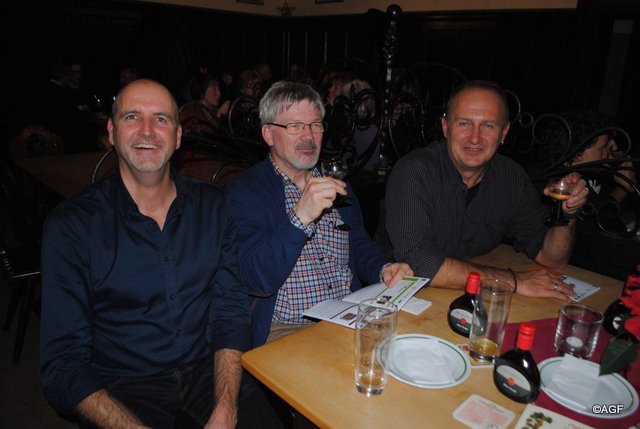
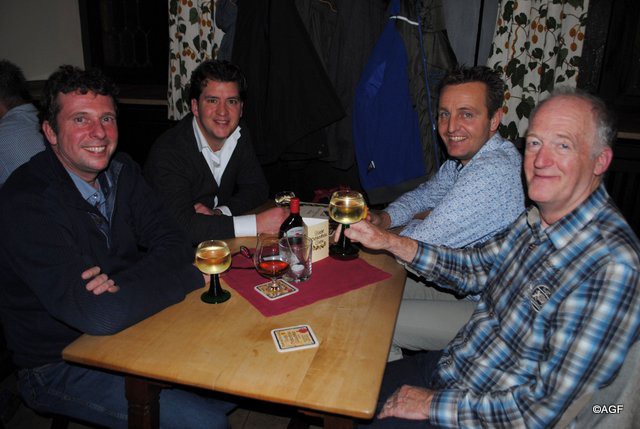
And that turned out to be the case. The pleasant evening with growers from the region, Austria and Switzerland, was saved. Martin Schulz and Jochem Wolthuis welcome everyone.
Growers Schuh, Maeritz, Salvadore, Sibylle Tygges, Klaus Wenzel,
Arjan of GreenQ, Dominik Bretz, Johann Kling, and Ineke van Meggelen
Andreas Schitt and Christos Stritsis
Markus Dorn, Jenny Lachmann, Markus Flaser, Onno Zwaan and Peter Colbers
Christian Drechsler, Thomas Rottner, Michael Schaller, Cees de Bree and Aad van Dijk.
Johannes Lachmann, Jurgen Bohm, Christian Grabner
Paul Jochems, Piet van Adrichem and Johann Kling
Gerrit Land, Tim Huijben, Ferry Aarse and Ton Janssen
Andre Busigel, Lodewijk Wardenburg, Michiel Bontenbal
Theo de Groot, Anna Meyer, Robert Roodenburg, Otto Klop, Jan van den Bos and Jos Looije
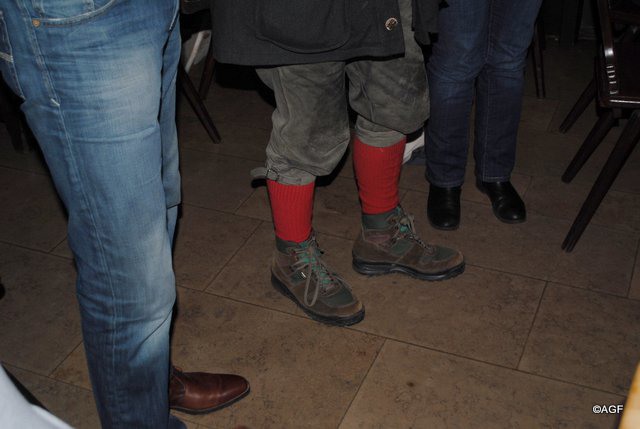
And whose socks are these?
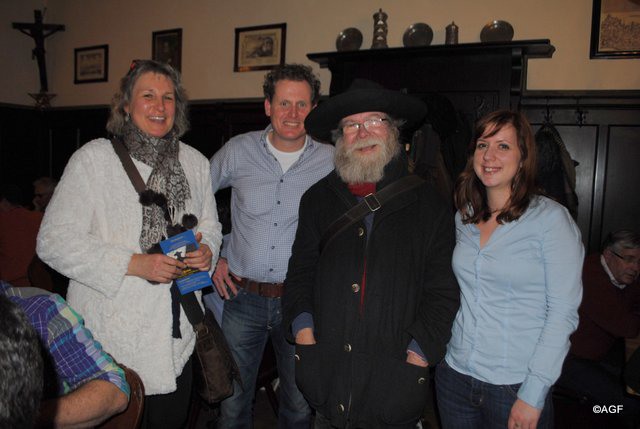
The Bamberger Geschichtenerzähler's!
Florian Wols of Frankengemuse and Anton Offenberger of Gemuseerzeugerringes Knoblauchsland
Explanation on the importance of regional marketing
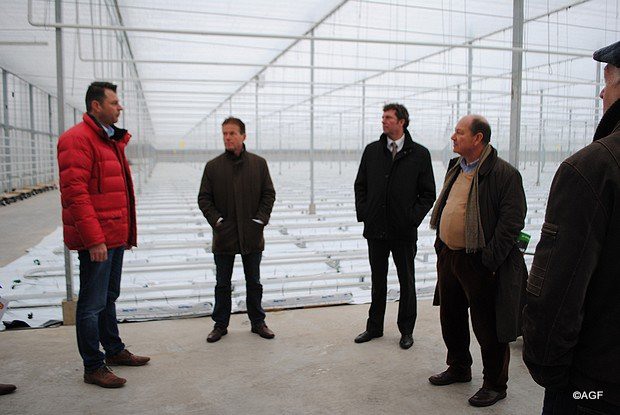
Next stop: Scherzer gemuse, a nursery of 17 hectares, making it the largest in the region.
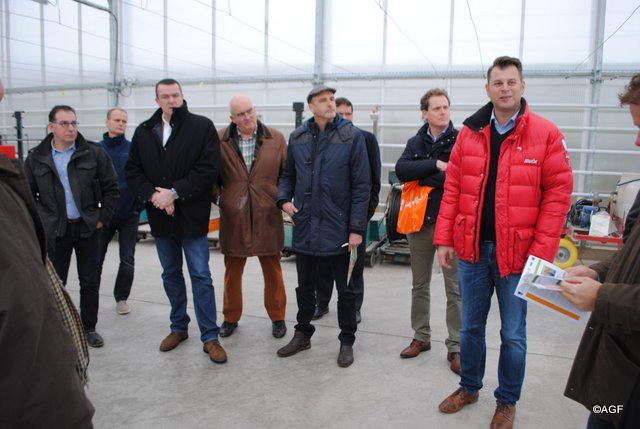
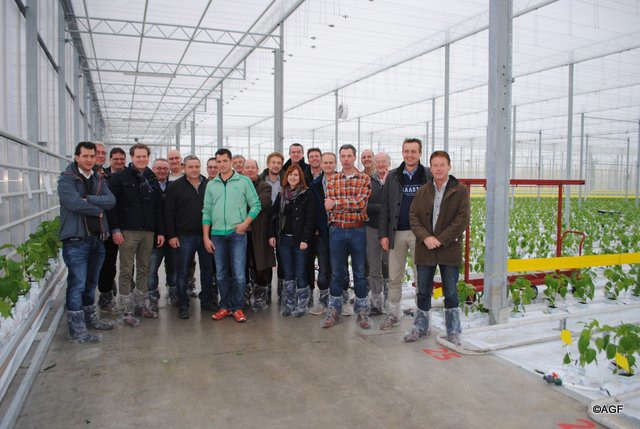
Group photo.
Labour registration system. Still empty, the first week of cultivation.
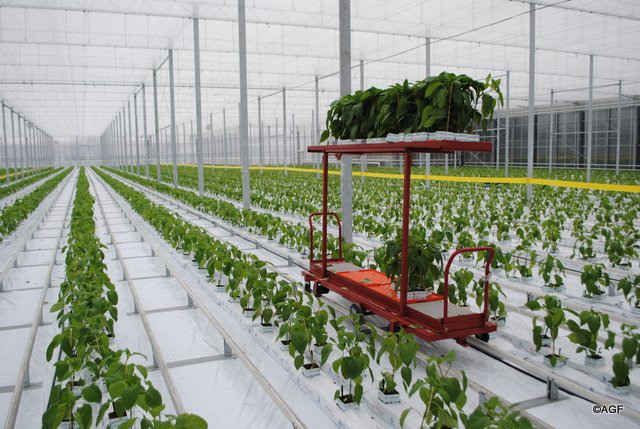
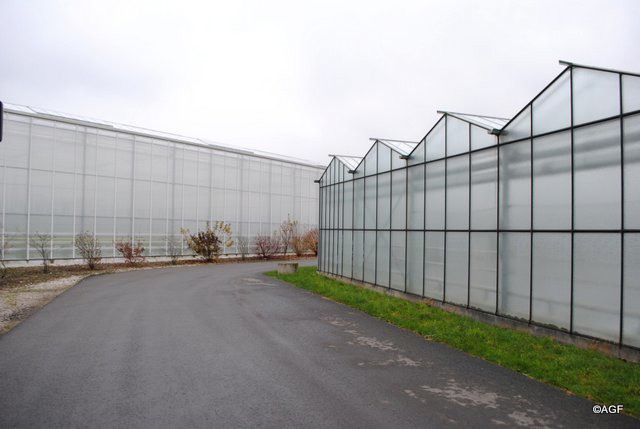
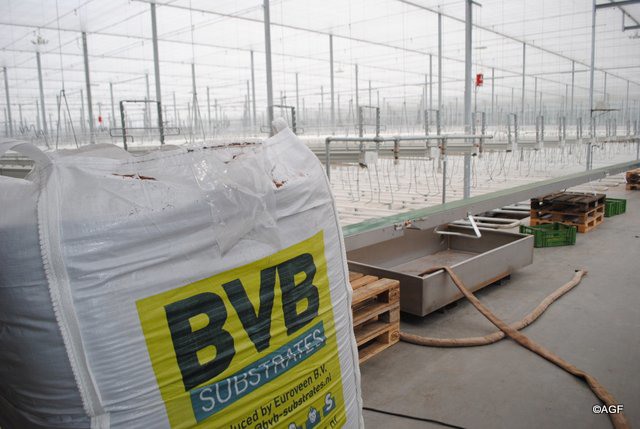
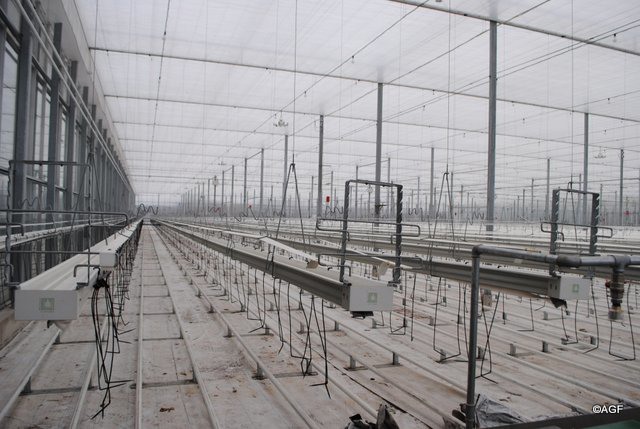
The contrast between old and new greenhouses in the region.
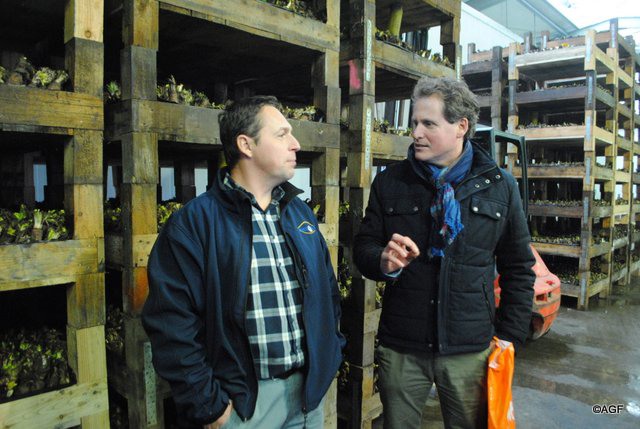
Grower Boss Fritz grows iceberg lettuce in the open field, strawberries in the greenhouse and Belgian endive.
Boss Fritz
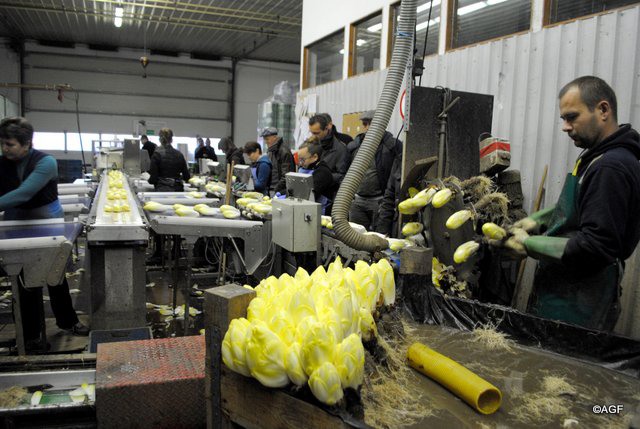
Striking here too is how much work is still done by hand.
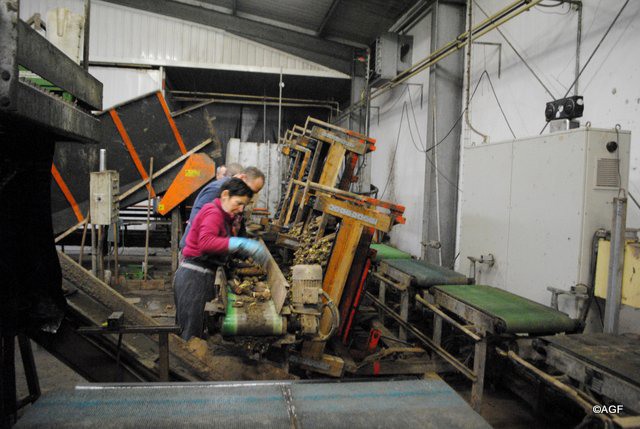
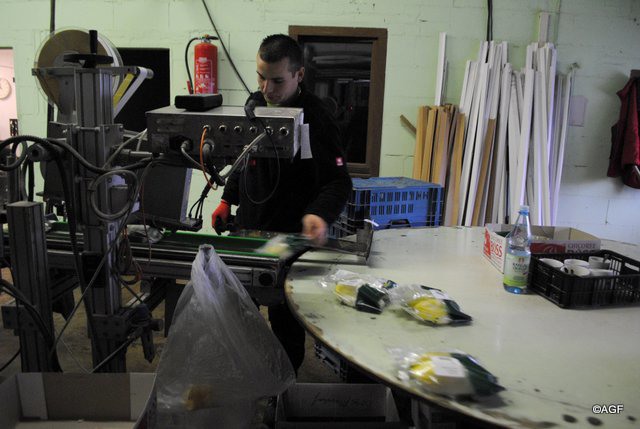
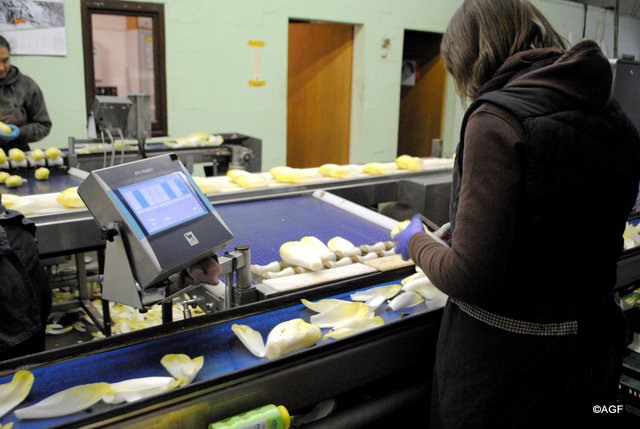
Endive sorting and packing line.
The machine indicates which heads are 500 grammes together. Those enter the conveyor together, and are moved to the flow packer by hand.
Nine people are working on the line.
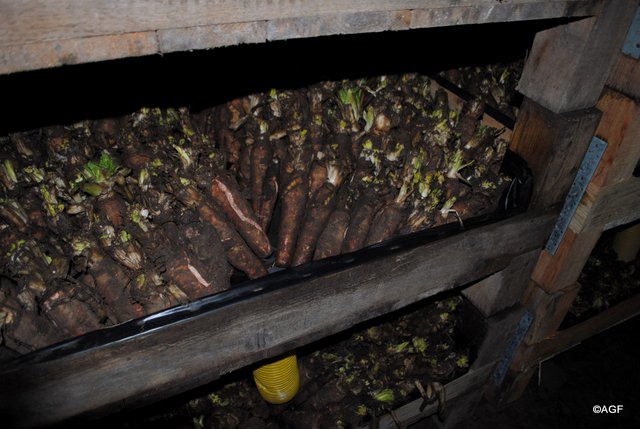
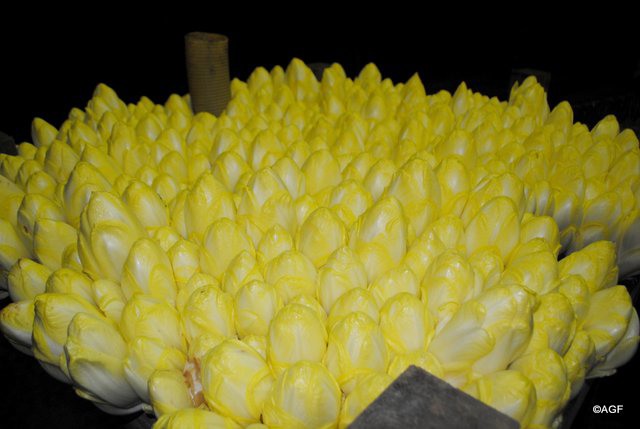
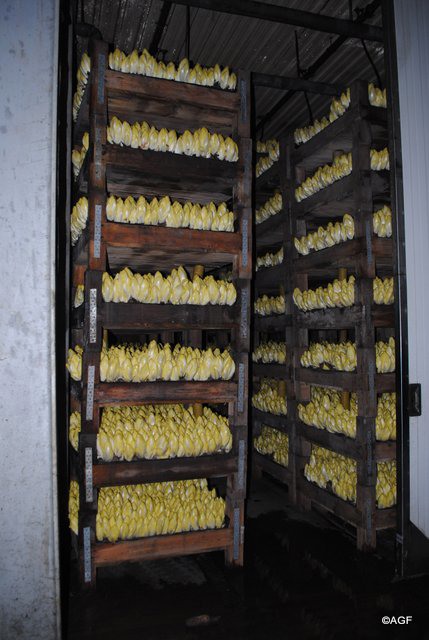
Belgian endive
Seven-layered cultivation, meaning the area accounts for 7 hectares in total.
The strawberry plants have partially entered the greenhouse already, a part still has to be potted.
Boss Fritz cultivates strawberries on 2 hectares.
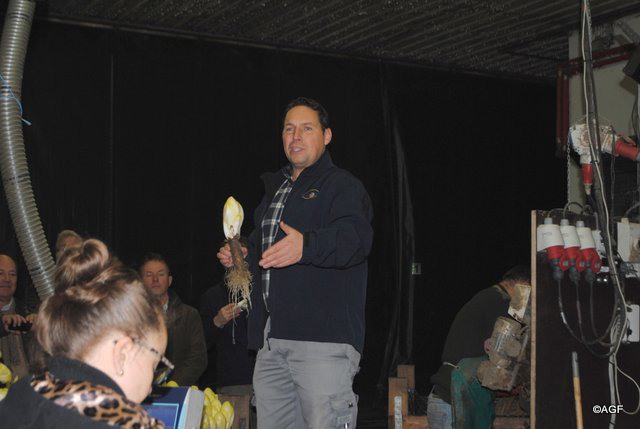
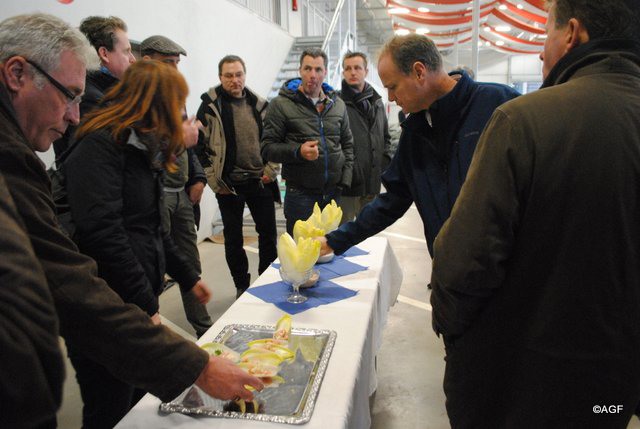
Of course we taste the endive. Even those who weren't fans appreciated it!
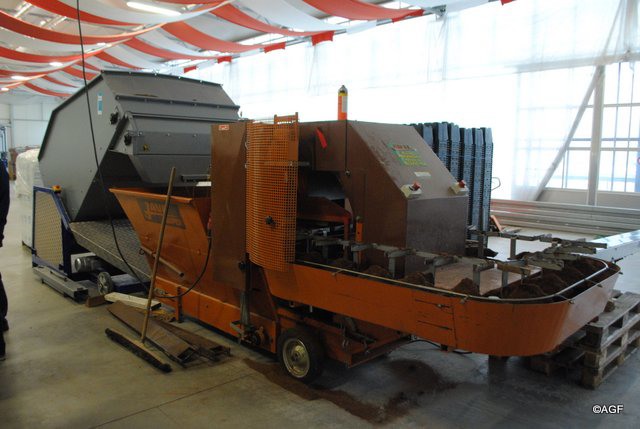
Strawberry potting machine.
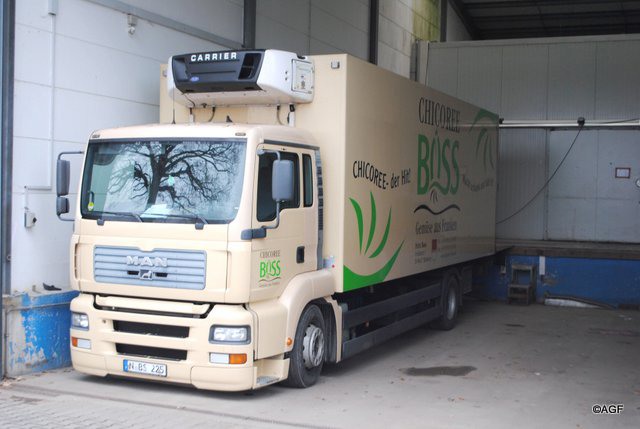
And what do you call yourself when your name is Boss Fritz? Chicoree Boss and Erdbeeren Boss!
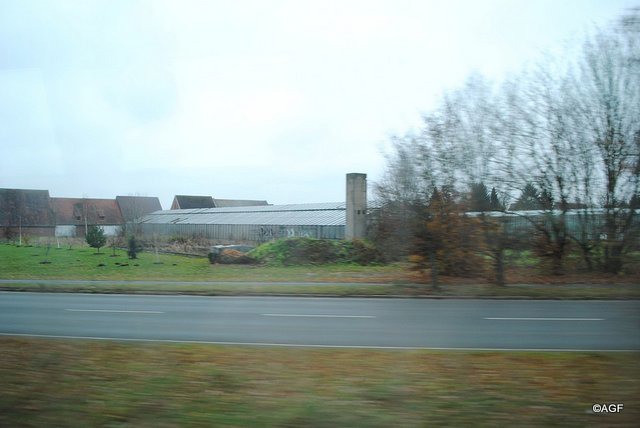
Many of these old greenhouses, complete with chimney, can be found in the region.
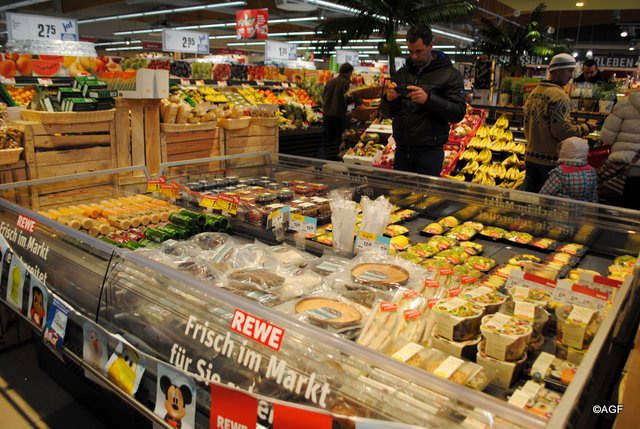
A visit to Rewe in Boxdorf.
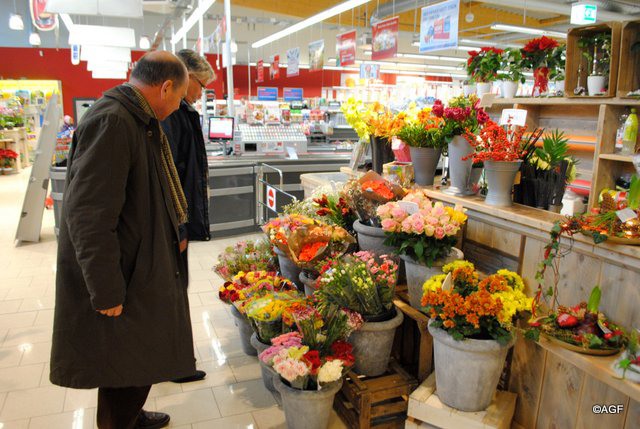
The flower men look at the product range and the accompanying quality labels.
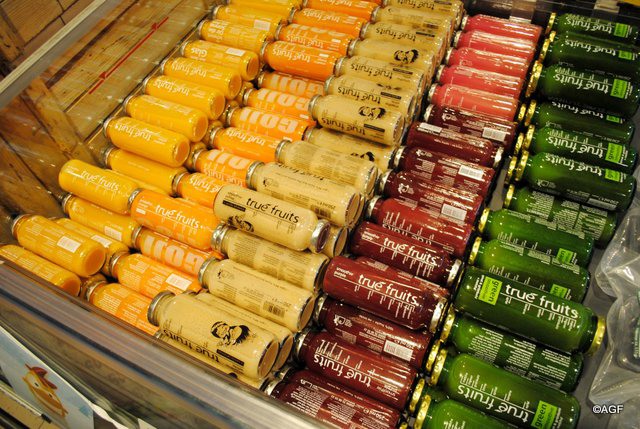
Juices and green smoothies from 100% fruit.
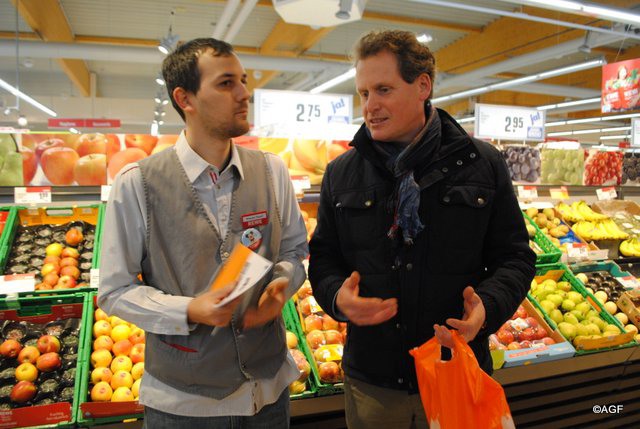
Pascal Kneuer talks about the fresh produce range in the store.
This store only opened last year.
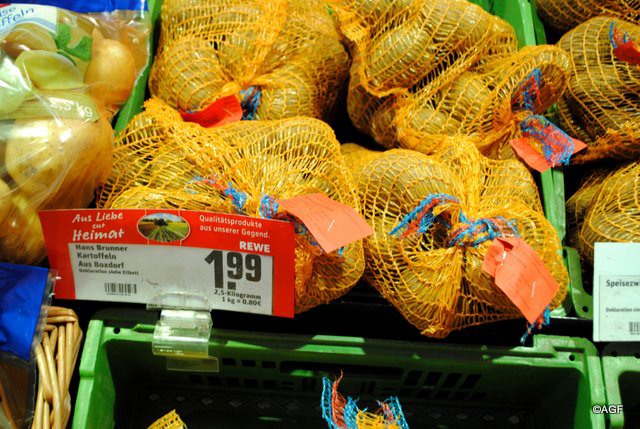
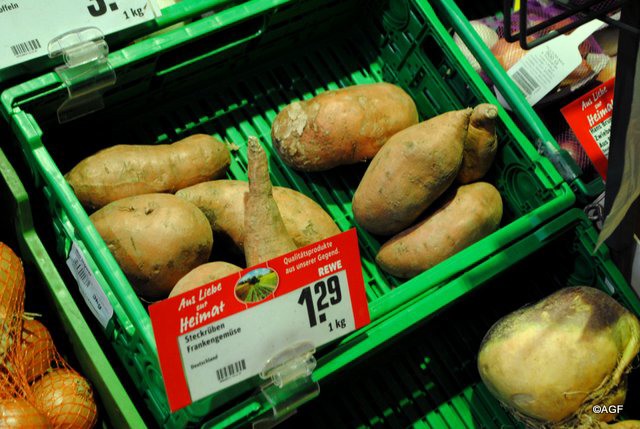
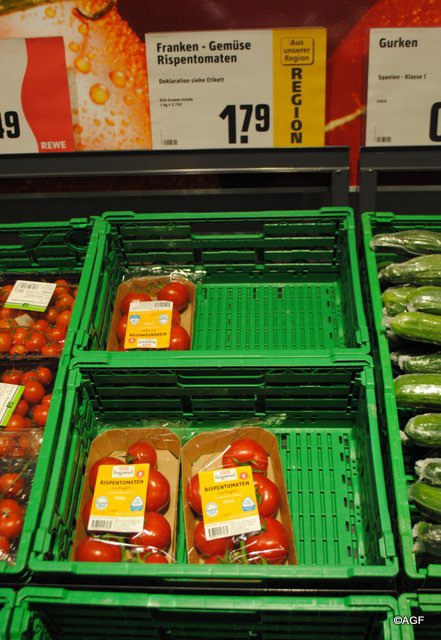
Aus Liebe zur Heimat, the REWE brand for regional produce
According to Kneuer, the consumer pays up to 1 euro extra for this per packaging.
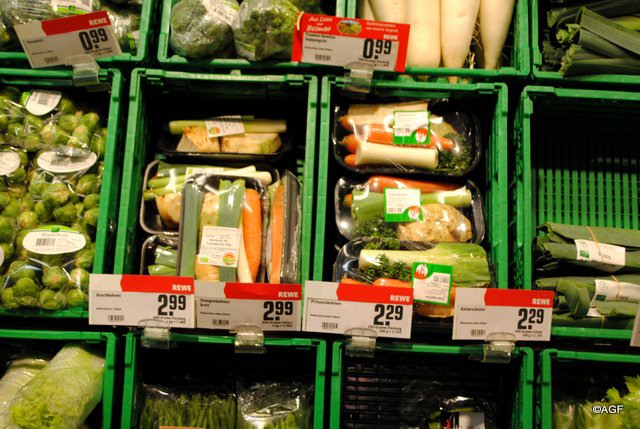
Convenience.
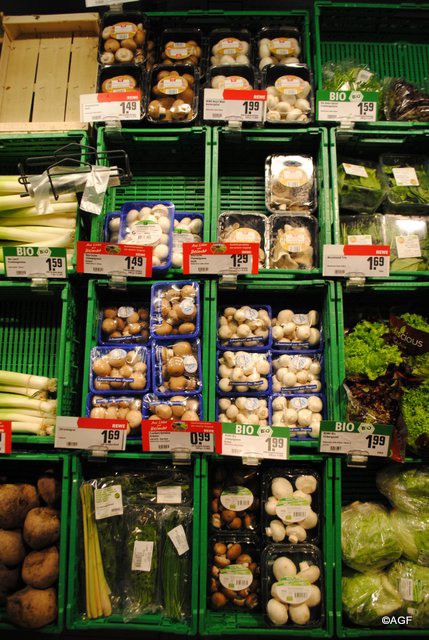
Half of the mushroom range is regional, and a part is organic.
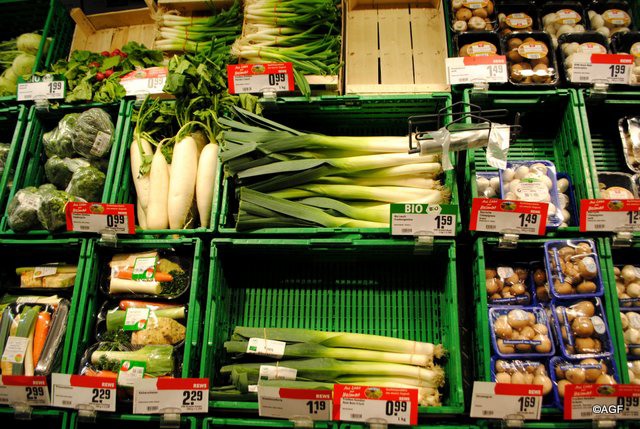
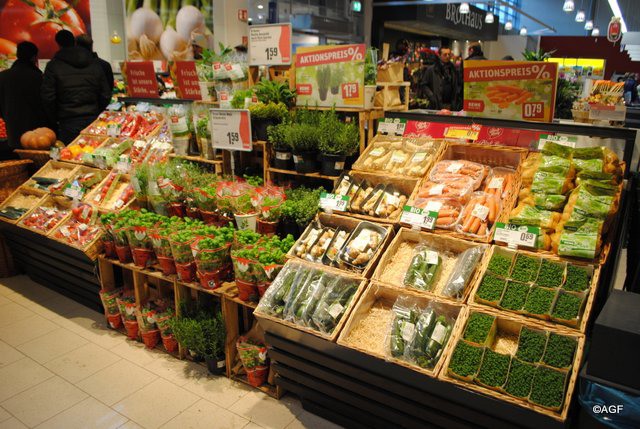
Organic leek from the region. The bio label takes precedence. The product is 1.59, against 0.99 for produce that's only regional.
Packs.
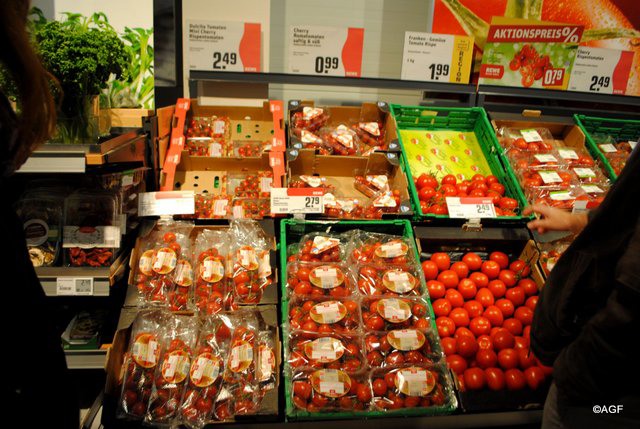
The quality of the tomatoes was not particularly good.
According to Kneuer, many consumers first choose larger tomatoes from the region, and then they move on to smaller, tastier tomatoes. The Dutch or Spanish vine tomato is not a replacement for the regional produce.
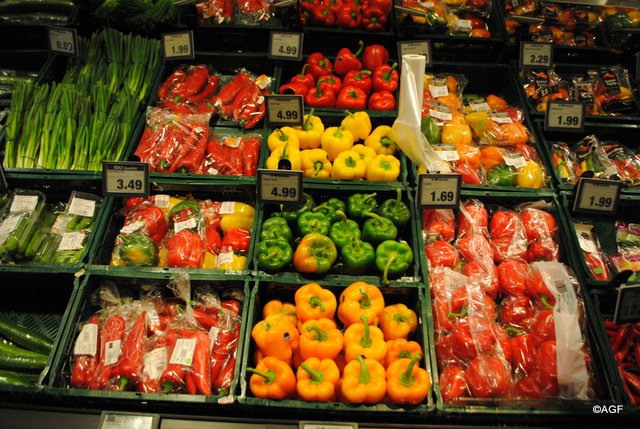
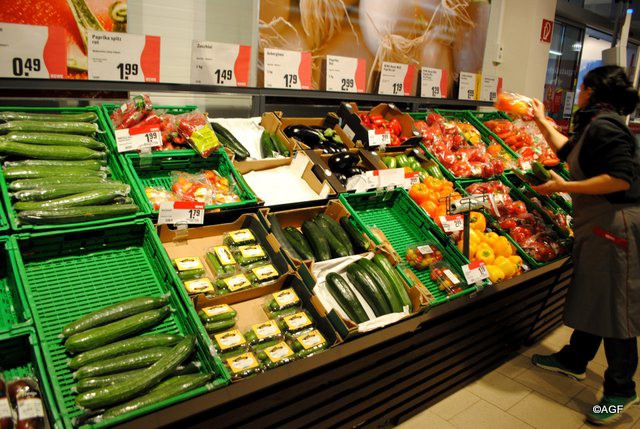
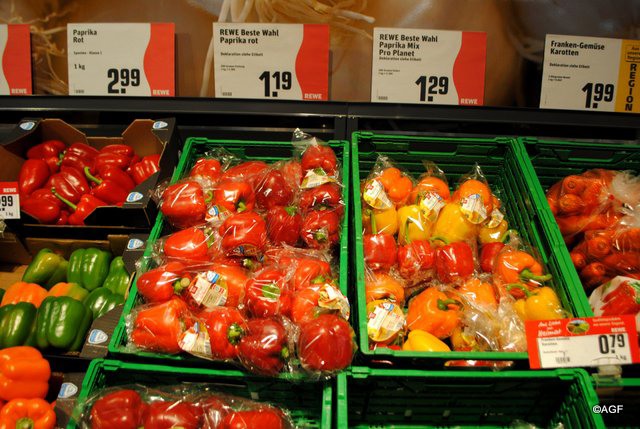
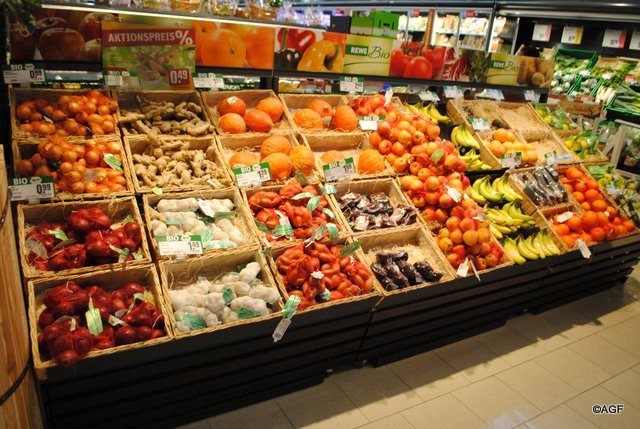
Bell peppers packaged and separate
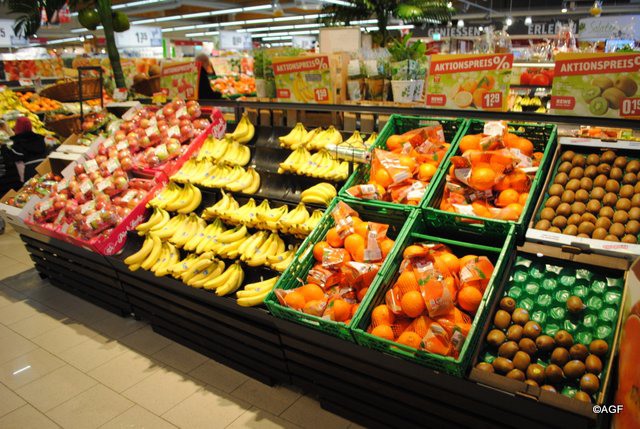
Fruit range.
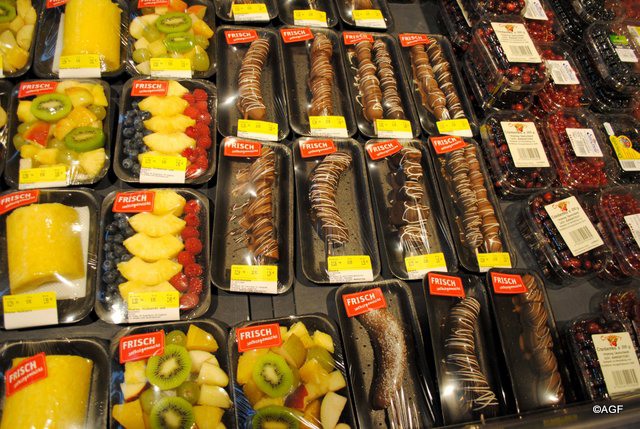
Next to the fruit salads: fruit in chocolate.
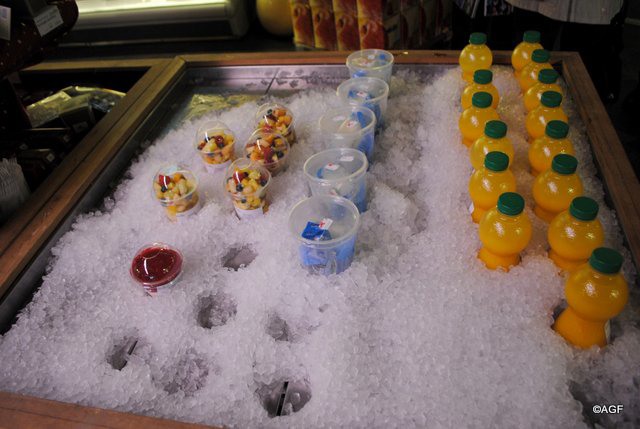
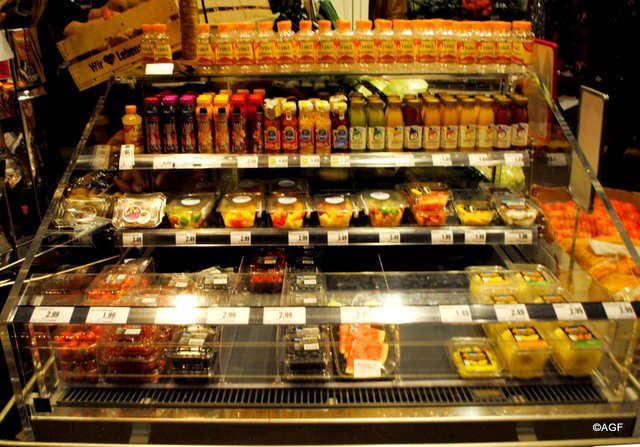
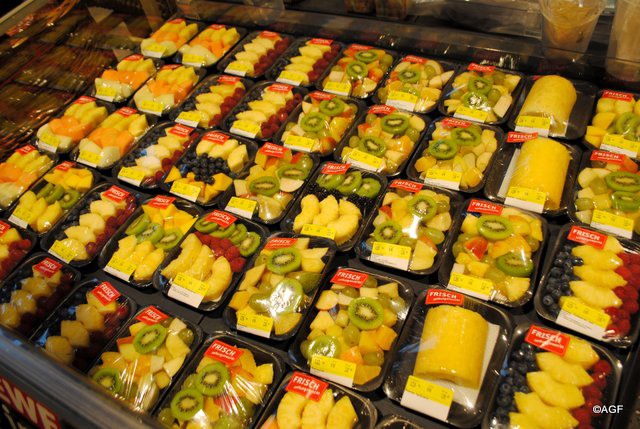
Wide range of cut fruit.
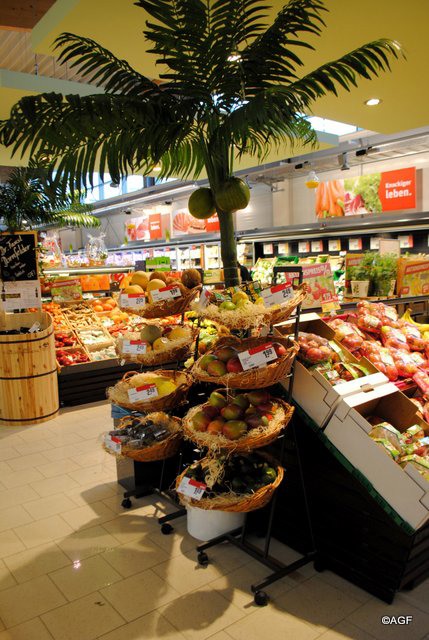
A cheerful exotic palm tree.
The organic range has a separate shelf
Display in baskets of the organic range.
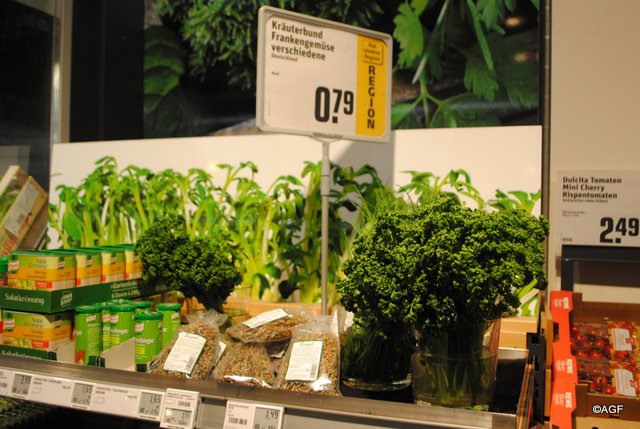
Herbs from the region, available separately and in bundles.