

You are using software which is blocking our advertisements (adblocker).
As we provide the news for free, we are relying on revenues from our banners. So please disable your adblocker and reload the page to continue using this site. Thanks!

You are receiving this pop-up because this is the first time you are visiting our site. If you keep getting this message, please enable cookies in your browser.
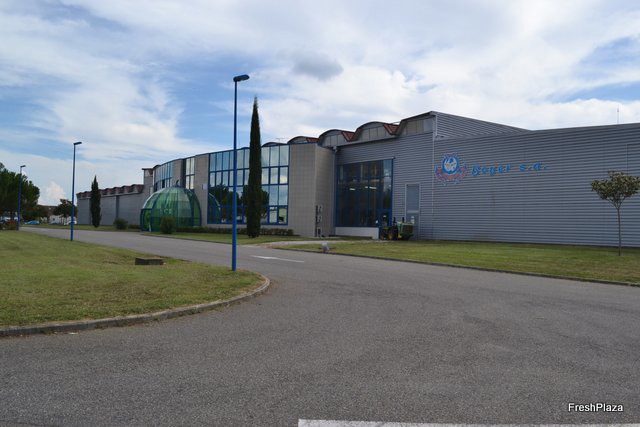
The office of Boyer S.A in Moissac. The entrance of the building is in the shape of a melon.
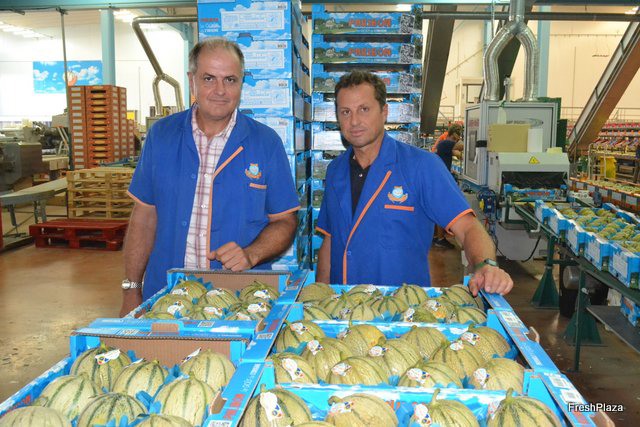
Joël Boyer and Jean-Marc Boyer are the two sons of the founding father of Philibon: Monsieur Claude Boyer.
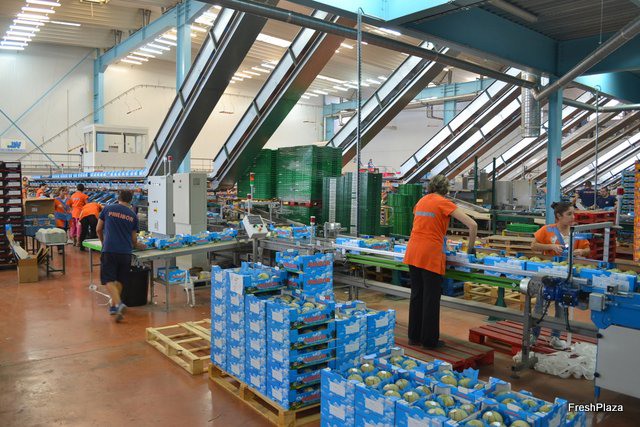
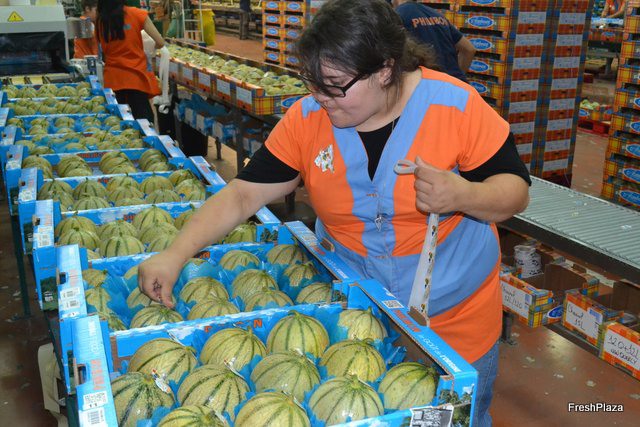
Overview of the packing line of the Philibon melons
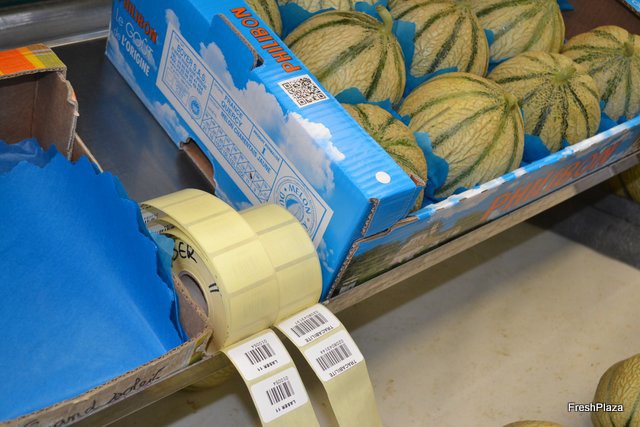
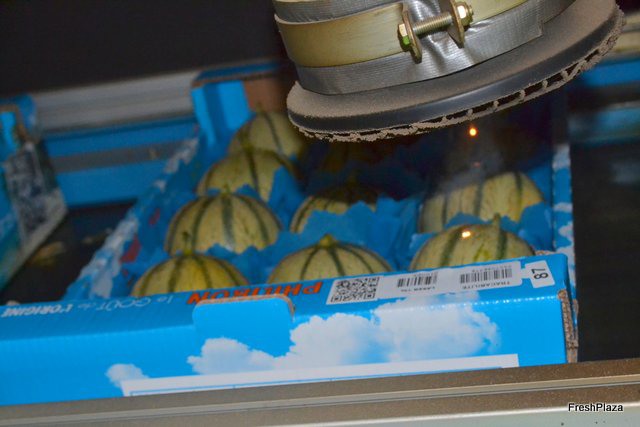
All boxes receives two labels. One for the traceability and one label is for the size and one for the sizes.
Every melon receives a label, this all done by hand.
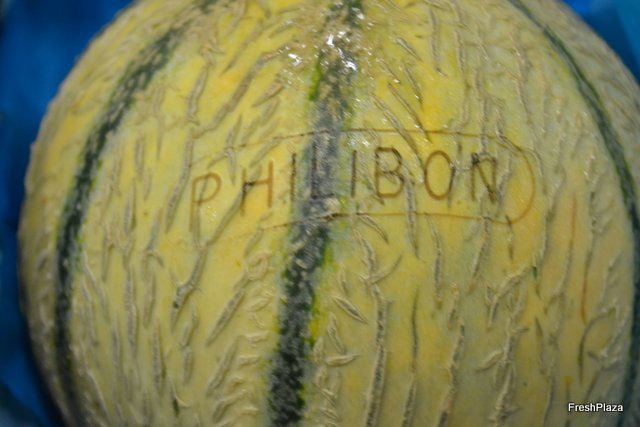
The melons are packed manually in the box and then all melons are laserprinted with...
"Philibon"
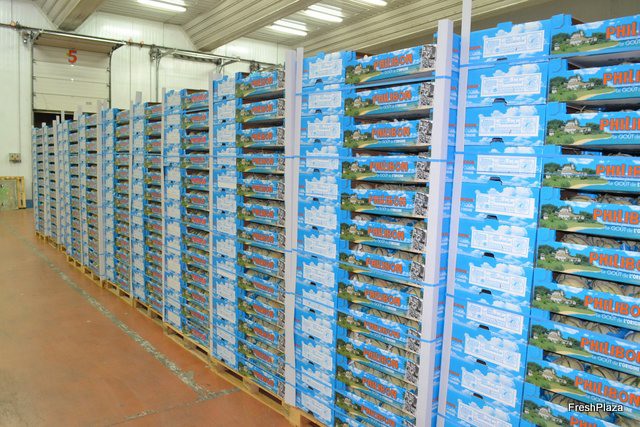
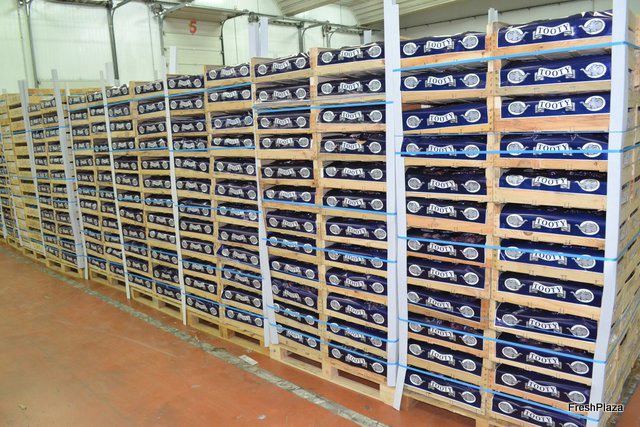
Here all pallets are stored for transport for the next day.
These pallets are a private label of a Dutch importer.
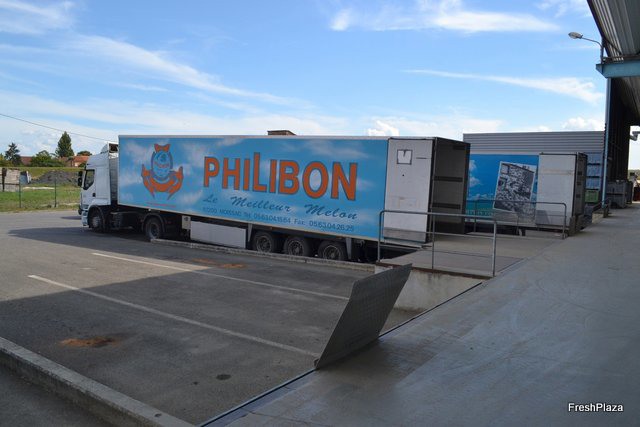
Here is the loading dock for the trucks. From Moissac they drive throughout the country and Europe to distribute the melons.
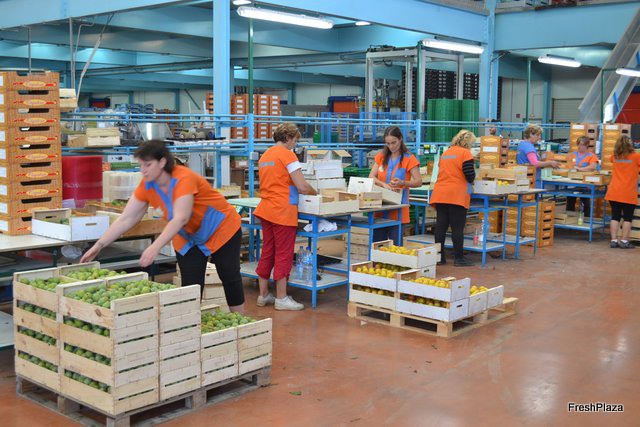
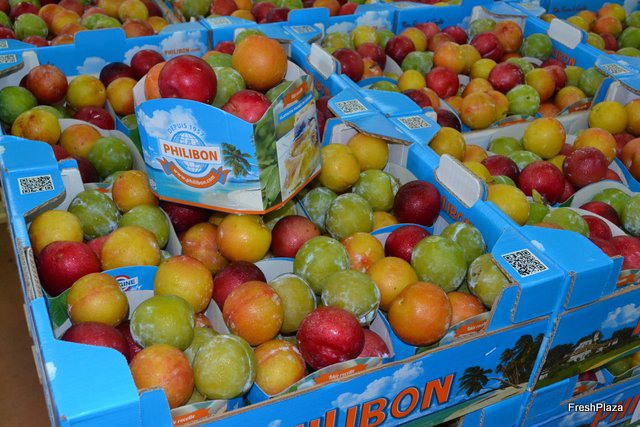
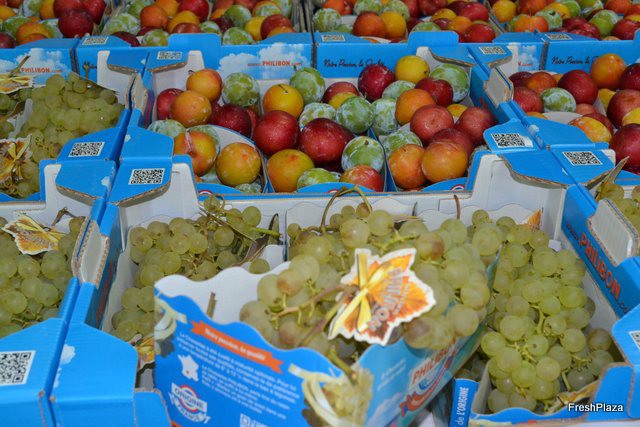
All different colours of plums are collected in a wooden crate and then get mixed for the mixed colour pack of plums from Philibon.
A mixed pallet of plums. They are randomly selected so there is a good mix of colours in the pack.
Boyer also sells the Chasselas table grapes. It is a small grape with a seed, but very sweet.
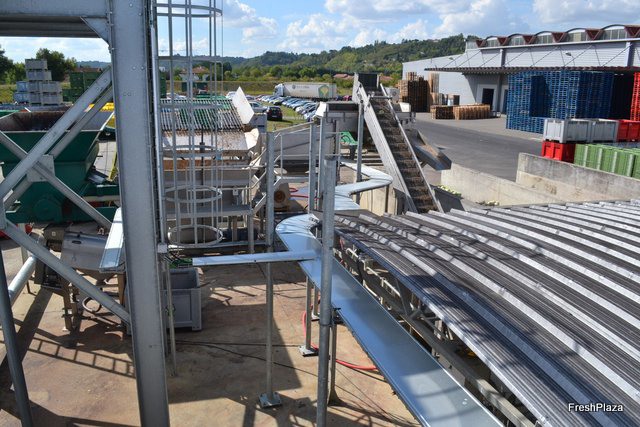
All waste of the melons go on a belt. This belt transport all waste outside the packing house to a big container that collects all the waste. From there it enters the process.
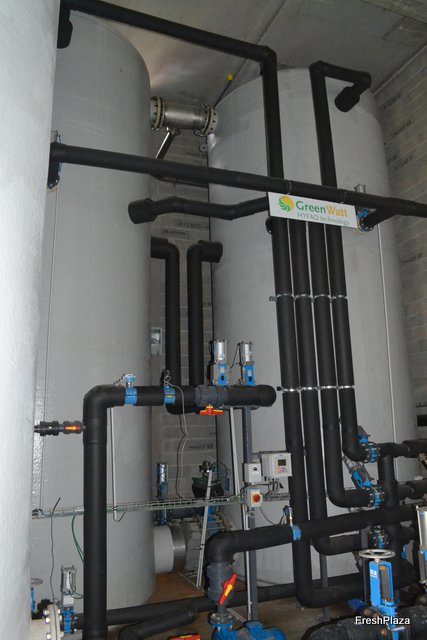
Philibon uses biofuel of its own waste. Philibon is the first company in the region who uses fruit waste for biofuel.