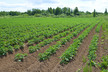
Potato planting and harvesting in Bom Jesus, in the state of Rio Grande do Sul, are progressing according to schedule. Around 70% of the crop has already been planted. A further 25% is expected to be planted in December, with the remaining 5% planned for January. Harvesting is set to begin gradually, with about 5% of the crop expected to be harvested in December and higher volumes from January onwards.
During the initial planting period in September and October, the region experienced episodes of frost and hail. According to producers, these events did not cause damage to the fields. Temperatures during that period were mild, with cold nights and what growers described as a winter that was more "extended and severe." From late November into early December, temperatures increased.
Rainfall has remained below average and is currently the main concern for growers, as most production areas do not have irrigation systems. The first rainfall of the month was recorded on December 8 and 9, following a prolonged dry period with no meaningful precipitation since mid-November.
Phytosanitary issues have been reported since the start of planting and intensified as temperatures rose and conditions became drier toward the end of November. Late blight was observed early in the planting period. Shortly after crop emergence, infestations of cutworms (Agrotis spp.), which are common in the region, were reported. Leafminers were observed from the middle to later stages of the cycle in the first planted fields, while Alternaria was reported toward the end of the cycle.
Yield and quality expectations currently vary between growers. Fields with access to irrigation are expected to perform better. The main risk to the crop remains the combination of limited rainfall and consecutive days of higher temperatures. At this stage, no estimates indicate whether these conditions will result in yield losses.
Source: HF Brasil