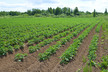
The University of Hawaiʻi at Mānoa has released a new green onion variety aimed at facilitating local, sustainable cultivation. Collaborations with SNAP-ED and food education programs aim to demonstrate how easily cultivated crops can enhance food security.
Josh Silva from UH stated, "Everyone needs food, so that's why we want to grow more food at this facility, but make it available to the public and the community, so we have our green onion today that we're going to be distributing. It's something small that people can grow in their gardens." The focus is on integrating cultivation into daily life rather than treating it merely as a hobby, with an emphasis on engaging children early.
Jessica Higashi, a program coordinator at the Urban Garden Center, highlighted the educational aspect: "I work a lot with the youth and home gardener, and we teach children and their parents how to grow plants at home successfully and how to grow their own food." Green onions, identified as an ideal entry-level crop, offer rapid growth, easy replanting, and versatility in dishes ranging from plate lunches to soups.
The initiative also seeks to foster community involvement. Attendees of educational workshops often become repeat participants. Higashi remarked, "There are people who come to our workshops who say, 'I've never touched dirt before.' And they come back and they go, 'I'm growing green onions, and tomatoes, and eggplant, and zucchini,'" noting the tangible impact of the program on participants' gardening success.
Source: Khon 2