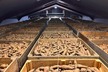
High-tech greenhouse operations in North America are examining innovative solutions to optimize labor use in potato processing. A robotic sorter now facilitates the automation of final inspection stages, minimizing waste and enhancing grading precision.
The SiftAI Robotic Sorter integrates a delta robot equipped with an AI-driven vision inspection system. It evaluates overall potato dimensions, shapes, and potential defects such as bruises and discoloration. Positioned above a roller table, SiftAI cameras capture comprehensive images of each potato. With two-robot system configurations, the SiftAI achieves sorting rates up to 100 picks per minute for potatoes deviating from set AI model criteria. This system matches human sorting speed but increases accuracy and reduces customer chargebacks.
In the pursuit of compliance with USDA standards, which allow for up to 5% of defective products reaching end consumers, processors face inefficiencies. Manual inspectors often discard 10 to 20% of viable produce, impacting financial gains. Preliminary tests indicate that the AI-enabled system markedly decreases the frequency of defect oversight and mishandling, enhancing profitability. These efficiency gains, paired with labor cost reductions, mean the SiftAI can deliver a rapid return on investment in less than two years.
Curtis Koelling, from Smart Vision Works, commented, "Because of potato oversupply and rising wages in North America, many potato processors are losing money on every box shipped. Managers are eager to identify technology that can lower their production costs," highlighting the drive for technological adoption in reducing operational costs.
Source: Supermarket Perimeter