Optimising agricultural processes is paramount to achieving crop profitability. With shallow profit margins, we have an equally tight scope for error and mitigation, and farmers must take advantage of all critical actions points that promote increased production quality.
The actual production and yield calculations are conditioned by fluctuating parameters (i.e., edaphic and climatic conditions) and more rigid and fixed parameters (i.e. crop management, physiological characteristics, etc.). However, while we face market demands — for high quality, fewer post-harvest residues, an environmental commitment and the constraints of the chemical portfolio — we must stay focused on agricultural profitability. These processes can include agricultural operations, crop physiological processes or even one of the most neglected parameters: soil dynamics and health.
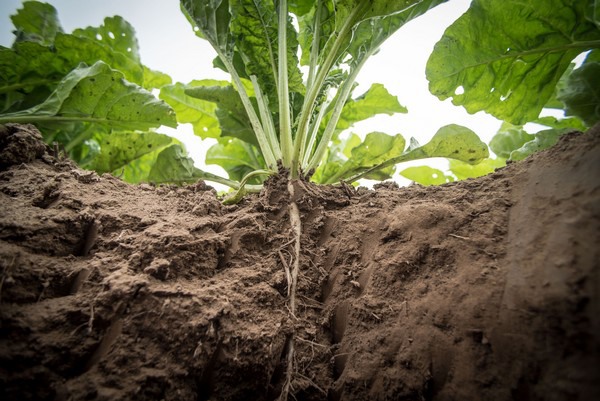
For a long time, we forgot our most critical and ever-present ally: the soil — a complex system comprised of physical and chemical features, from soil type and pH to organic matter contents and water retention and flow. Biological traits, such as microorganism populations, also influence the soil and established crops, even if only indirectly.
The soil microbiome is a delicate "universe" upon which we must work. The conventional chemical approach has unbalanced the soil's natural equilibrium and destroyed the microbiological populations that, up until now, were considered to be harmful to crop productivity.
Since ancient times, the most advanced societies have understood the added value that microorganisms bring to agriculture and relied on such populations to thrive. Nowadays, we have the scientific knowledge to understand and appreciate the "why" behind this ancient reliance.
Alltech® Crop Science (ACS), a division of global nutrition company Alltech, recognises that healthy and living soil is fundamental for plants to reach their fullest genetic potential. Since 1994, ACS has focused its research on understanding the microbial world beneath our feet. ACS is dedicated to offering innovative solutions that foster beneficial soil microbes, which help break down residual plant material, increase nutrient availability and enhance growth.
The ACS soil range allows producers to work on the aforementioned biological systems without risking the soil's natural complexity and balance. Instead, our technologies boost those systems' efficiency and protect the beneficial microbial variability and the soil's physical-chemical profile. It is an investment in the entire agricultural frame, allowing farmers to continuously enrich and regenerate their soils and optimise production and environmental quality. As such, we can say that agricultural output profitability is strongly linked to the effective management of soil quality.
Ultimately, it is more environmentally and financially sustainable to manage the soil as a living being, an organic drive that provides the essential substances that we, our crops and the planet need. Driven by this central premise, the ACS approach to sustainable agriculture focuses on the soil's microbiological balance and nurturing the beneficial microorganisms that optimise plant productivity. Visit our campaign page to learn how to promote a healthy soil with ACS soil health solutions.
Visit our campaign page to learn how to promote a healthy soil with ACS soil health solutions.