According to Mark Powers, president of the Northwest Horticultural Council, it could take weeks for China and the US to vet the agreement and disclose specific tariff details. This means that it remains unclear whether a trade deal with China will reverse the short- and long-term effects of the country’s tariffs on the Northwest tree fruit industry.
The Northwest Horticultural Council is a Yakima-based organization that represents the tree fruit industry on public policy issues, including trade.
“We don’t have any details on what this means for tree fruit; that’s one of the big questions,” Powers said. “We’re hopeful there will be a reduction on tariffs. Ideally, they would go away. ”
China placed tariffs on several agricultural products grown and produced in Central Washington, including apples, cherries, hay and dairy. Overall, Washington agricultural products shipped to China in 2018 declined by 5.9 percent to $559 million.
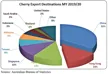
Certain commodities, such as cherries, saw even more drastic drops in shipments. For the past two cherry seasons, all fruit imported to China from the U.S. was hit with an additional 40 percent in tariffs — bringing the total duty to 50 percent. As a result, shipments to China dropped from some 3 million 20-pound boxes in 2017 to just under 2 million a year later.
Source: columbian.com