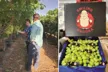
Thailand recently approved the phytosanitary protocol for the export of Argentine grapes. However, Argentina's production of grape varieties for fresh consumption has decreased and producers are having difficulties reaching the quality standards and volumes required by the countries in Southeast Asia. The province of San Juan currently destines most of its production to the domestic market, and Brazil is its main export destination.
Data from the INV show that, between 2010 and 2018, the region's cultivated area decreased by 37 hectares, going from 9,998 hectares to 9,961 hectares. In that same period, the area in Mendoza increased by 78 hectares.
Between 2013 and 2014, Brazil demanded the fruit be brominated (a treatment to prevent the spread of pests), which in practice implies a para-tariff barrier. Producers must pay an additional cost for this treatment and are forced to sell their grapes quickly after treating them, as the fruit becomes dehydrated, which means that producers lose the ability to negotiate and the seller at the destination has less time to market them. This has had an impact on exports.
According to Rodrigo Espindola, the chief agronomist at the Rural Extension Agency Caucete (San Juan) of INTA, Argentina entered the fresh grape export boom in 2008 and, ten years later, destroyed the export market by failing to comply with the quality standards. This happened because of the country's economic situation, which made it difficult to carry out production work - clearing, defoliation, thinning of clusters - that demands a large amount of labor, which is expensive and scarce.
Expectations
The president of the fresh grape, raisins, and fresh fruits subcommittee of the Grape and Wine Producers of the East Center, Alejandro Tagarot, has another vision of the possibilities that Thailand offers. According to him, it is more feasible to enter that market than to compete with Chile, which has already advanced in various ways (volume, logistics, quality), in China. He said they were more likely to enter Thailand with lower volumes and with traditional varieties produced in Argentina. He also stated that producers had to start thinking about reconverting to continue in the business. He also stated that a significant percentage of the cultivated area had been lost in the last 10 years.
The director of ProMendoza, Mario Lazzaro, said that the opening of the Thai market opened an alternative for the diversification of viticulture. Lazzaro also said that only one plant in the province of San Juan could carry out bromination, which limits the possibilities of exporters, and that it would be key to have more plants in the packaging. He stressed that they needed to make modifications in the operations chain to face the important markets of Southeast Asia, which have more than 600 million inhabitants.
Source: Los Andes / clarin.com