Domestic supplies of blueberries after an ample season are starting to wind down in North America.
“Supplies are slowing down in British Columbia. B.C. has probably 10 percent of the crop left out there,” says Chris Messent with Kelowna, B.C.-based Consolidated Fruit Packers. CFP is into its second pick of berries with the Elliott variety, a later season variety, and there are also some Aurora blueberries left as well. “We probably have another two weeks to go,” adds Messent.
The B.C. season began early this year by approximately 10 days in late June. “We had a warm spring and we had some heat in May and early June that really brought the crop on,” says Messent. “The end time might be a bit earlier this year—typically we can do fresh harvest until mid-September. There’ll still be some people who have fruit left. But generally speaking most of the industry will be finished by the 10th of September with fresh harvest.”
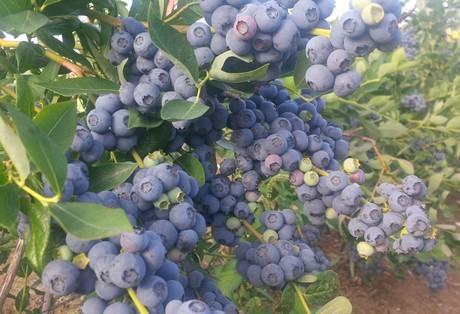 Photo: Consolidated Fruit Packers
Other side of peak
Along with B.C., other parts of the Pacific Northwest are moving past their peak of the season. Oregon is winding down its production and Washington State is still going though supplies are overall tightening up out of this region. Michigan is also still in production and will be for a few more weeks, though that region has experienced a heat wave that affected the quality and volume somewhat. Some regional production out of Maine, Quebec and the Maritimes in Canada with wild blueberries is still also going.
Overall domestically, volume has been up this season in blueberries. “We had a good crop of Duke as we usually do. Our mid-season varieties had a good crop and it’s been a few years since we’ve had a decent crop of our mid-season Blue variety,” says Messent.
Meanwhile growers agree that demand continues to grow for blueberries. “We still see growth in the category though the days of double-digit growth every year are no longer there,” says Messent. “We’re starting to see that supply has caught up to demand so supply on the fresh side has been plentiful.” July is particularly challenging in this respect given the ample supplies in North America. “It’s been challenging for years but it seems to get more and more difficult because there are so many growing regions going at the same time. East Coast and West Coast production are all hitting at the same time,” says Messent.
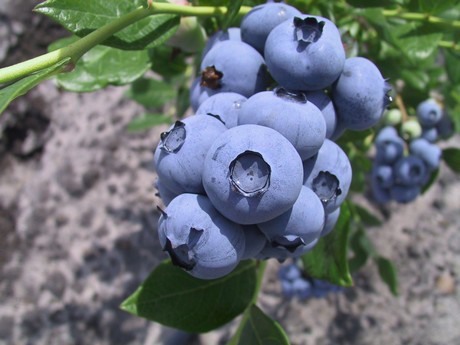 Photo: Sunny Valley International
Pushing up on price
Pricing on the fruit however is picking up. “Pricing is getting stronger right now. August started off soft but now that the production has slowed down and the volume isn’t out there, the markets are starting to recover,” says Messent. “Pricing is a little lower though than last year at this time but it’s starting to catch up.”
Looking ahead, all eyes are on the import season on blueberries beginning. “I think we should start around mid-September with supplies out of Argentina and Chile. Arrivals will be in Miami via air,” says Bob Von Rohr of Glassboro, N.J.-based Sunny Valley International, who notes it will be receiving supplies in both conventional and organic blueberries.
Imports into Miami will build each week though vessels with blueberries may arrive in Philadelphia mid to late October which is earlier than last year. “The early estimates are crops are looking good for very good volume this season,” adds Von Rohr, noting the import season will run from mid-September to April.
At the same time Peru is already shipping blueberries into North America. “Peru is earlier than last year with production but I think it’s a normal time for them to start because last year it was weather that caused them to be late,” says Messent.
For more information:
Chris Messent
Consolidated Fruit Packers
Tel: +1 (250) 868-1400
[email protected]
www.cfp-ltd.ca
Bob Von Rohr
Sunny Valley International, Inc.
Tel: +1 (856) 881 0200
[email protected]
www.sunnyint.com