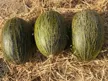
In May 2019, two melons from Hokkaido sold at auction for 5 million yen. That's just over $45,000. But what is it that makes this fruit so expensive?
From the Yubari King to the Andes, the Higo green melon, and many more, melons are grown up and down Japan, and they're serious business. The fruit isn't traditionally something you'd pick up as a snack in Japan, but is a luxury that often plays a big part in Japan's gift-giving culture.
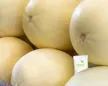
And they're not just admired for their taste, but for their looks as well. Crown melons are one of the most renowned varieties. Go into a high-end fruit store in Tokyo, and you're likely to see their signature stickers.
The melons are only grown in Shizuoka prefecture, in central Japan, and can cost you over $200 each. Unlike the $5 mass-produced melons you're likely to come across in a Western supermarket, crown melons take constant care and attention to grow.
The farmers give the melons constant attention and care. Each melon takes 100 days to grow, and the fruit is grown all year round. There are 20 slightly different varieties of crown melon seeds grown depending on the season. The raised beds allow the farmers to control the amount of water each plant gets exactly, and air conditioning and heating keep the temperatures constant year-round.
Crown melons have four grades: fuji, yama, shiro, and yuki. Any melons with even minor defects are marked as yuki, and the top three grades are marked on their sugar content and perfect appearance. 55% of the melons make shiro grade, the third grade, 25% are yama, and 0.1%, or one in 1,000 of all melons harvested, are graded as fuji, the highest grade possible.
The farmers can wear through multiple pairs of white gloves polishing these melons. But the work of the agricultural cooperatives also keeps their prices high. The Shizuoka Crown Melon company oversee the distribution and checks on melons from over 200 farmers.
They ensure that the quality remains high and that the prices aren't undercut. The resulting taste is undeniably incredible. Each fruit has a complex balance of flavors and is perfectly juicy and sweet. But you'll have to decide for yourself whether the high price is worth it for the taste.
Source: businessinsider.com