Kenyan farmers are set to enjoy a bigger market share after the European Union committed to cut agricultural export subsidies by end of January in line with a World Trade Organisation (WTO) landmark decision passed in Nairobi.
Export subsidies refer to an array of credit and guarantee schemes extended to EU traders to make their products cheaper in foreign markets. The incentives include forex loss compensation, freight cost refund and total tax refund on exportable products.
They are offered in addition to domestic support which is extended to farmers to lower the production cost. Over the years, export subsidies have allowed EU exporters to grow market share for its products in developing countries while exerting downward pressure on world market prices.
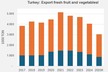
Kenya, for instance, exported vegetable products worth €119 million (Sh14.3 billion) to the EU in 2016, data produced by the European Commission indicates.
The EU’s 28-member states have released a draft schedule showing that export subsidy cuts will take effect by the beginning of February if members don’t raise any objections.
In a statement, chair of the WTO agricultural committee, Alf Vederhus, said the EU has become the second member to initiate the process of eliminating subsidies after Australia.
“The EU submitted, as part of the draft goods schedule for its 28 member states, a change of commitments incorporating the implementation of the landmark 2015 decision by WTO members to eliminate farm export subsidies,” Mr Vederlus said.
Source: businessdailyafrica.com