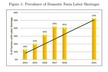
Vegetable prices have risen a record 31 per cent in the past year, according to Statistics New Zealand.
The unusually wet weather this year has damaged crops and is responsible for most of the price hike.
With vast areas of horticultural production land in the region, under threat from urban development, this means that the region will not be able to supply the horticultural production that the population of the area uses currently, from within the region, and this can only mean severe increases in the prices of fruit and vegetables.
Many people are already finding it difficult to provide good nutritious food for themselves and their families and with the effects of the restrictions on land use this is only going to get much worse, both in relation to supply, availability of types and price of fruit and vegetables.
The restrictions on commercial horticultural use of land, contained within the Plan Change, have been put into effect due to the supposed effects on the environment from the commercial horticultural industries.
So with the land use restrictions already imposed in the Proposed Plan Change, the Waikato Regional Council is now going to export the supposed environmental problems to areas outside of their region.
source: voxy.co.nz