Hosea Machuki, Chief Executive Officer of Fresh Produce Exporters Association of Kenya (FPEAK), said that the East African nation is now focusing on selling the produce to the Middle East, China, Japan, Australia and New Zealand.
"The diversification from the traditional markets has been necessitated by the demand of horticulture, vegetables and fruits in other parts of the world," Machuki told a press conference.
He said that Kenya has started the production of vegetables and fruits that have higher standards and increasing variety, by shipping direct to the major supermarket chains.
"We have secured good markets in the European Union (EU) and will also start exporting our produce to the United States of America next year," he added. Machuki disclosed that Kenya is now set to consolidate its international markets.
"We have spent the last five years developing systems to ensure that the challenges of excess pesticides and the presence of quarantine pests do not haunt the industry again," he said.
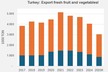
Machuki revealed that Kenya earned about 1 billion U.S. dollars last year from the fruit, vegetable and spices sub sector and plans to increase the earnings this year.
Kenya produces Irish potatoes, tomatoes, cabbages, snow peas, kales, spinach, runner beans, French beans, carrots, broccoli, indigenous vegetables, and Asian vegetables for the international market.
Source: news.xinhuanet.com