Possible plans for the UK’s post-Brexit immigration system have been revealed in a leaked Home Office document. Hayden Smith, the Press Association’s home affairs correspondent examined the details, and the reaction
The leaked documents sparked alarm in some quarters today, with the Government being accused of failing to recognise the benefits of EU migrant workers to industry in the UK.
Although it is understood that the document is a draft version of an upcoming white paper which has not been agreed by ministers and does not reflect the Government’s final position, representatives of several industry sectors spoke out against the blueprint.
Minette Batters, deputy president of the National Farmers’ Union, said an abrupt cut in migrant workers from the EU after Brexit would cause “massive disruption”.
She urged the Government to give a clear commitment on the movement issue soon, describing access to both seasonal and permanent workers as “absolutely critical” for the agricultural industry.
“A competent and reliable workforce is vital for British farms to be a dependable source of raw ingredients for the UK food and drink manufacturing sector, worth £108 billion,” she said.
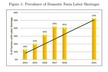
“Statistics show that horticulture alone requires 80,000 seasonal workers a year to plant, pick, grade and pack over nine million tonnes and 300 types of fruit, vegetable and flower crops in Britain every year.”
Ian Wright, director general of the Food and Drink Federation (FDF), added: “If this does represent the Government’s thinking it shows a deep lack of understanding of the vital contribution that EU migrant workers make – at all skill levels – across the food chain.”
The most eye-catching proposals in the draft blueprint are new curbs on EU migrant labour, in particular those coming to take up low-skilled jobs.
The document, which makes clear that the rules are not yet decided, floats the idea of restricting access to occupations that do not have a shortage of employees.
The bulk of any new restrictions would not fully take effect until after an implementation period of at least two years.
Source: thenorthernecho.co.uk