North Korea's produce market hit by poor infrastructure
Kang Mi Jin (Kang): Here in South Korea, I can eat my favorite fruits pretty much whenever I like. But when I’m happy in times like this, my thoughts often turn to the people of my hometown in North Korea.
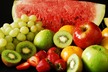
According to an inside informant, it’s quite difficult these days to find out-of-season fruits and even some in-season varieties have become tough to find. Fruits that are hard to preserve and store are particularly difficult to track down right now.
Kang explains that once the harvest period ends, the supply of these fruits and vegetables drops off significantly.
Kang: There are many reasons why supply drops. First, the transportation infrastructure is not as good as it is in developed nations. Fuel costs have also risen, imposing another layer of restriction. That’s why it’s difficult to find fruits and veggies for sale in markets far away from their site of production. Typical examples of hard-to-store fruits include strawberries and peaches.
Strawberries can be imported from China, but merchants don’t consider them a good business option because they spoil easily. Bananas and pineapples are not produced in North Korea and can only be purchased if they are imported from China. The availability of these fruits, therefore, is less tied to the seasons and local production cycles.
Kang said that even those with a fridge are still vulnerable to power outages.
That’s why many people rely on curing and drying to extend the shelf life of their produce. Cucumbers, peppers, eggplants, tomatoes, cabbage, radish, onion, and spinach are all dried or cured as a way to preserve them.
It’s now possible for North Koreans to buy vegetables that have been imported from China, including tomatoes and cucumbers. But the transportation and distribution of other vegetables, like spinach, onions, and eggplant is not smooth enough to provide a steady and ample supply. On the other had, supply for easy-to-store veggies like garlic and chives is available year round.
Read more at dailynk.com