After having attained food security in 2010, Rwanda has seen its food exports surge and poverty has been greatly reduced thanks to the advancements in agriculture. It will continue to develop agricultural commercialization through investment in irrigation and mechanization, while also encouraging the country’s entrepreneurially minded young people to enter the farming business.
Over the last decade one million people in Rwanda have lifted themselves out of extreme poverty, and much of this immense progress is due to the growth of the country’s agriculture sector. Working in hand with the International Development Agency since 2001, Rwanda has made on-the-ground investments that saw the country more than double its production and achieve food security by 2010.
Nearly 30,500 hectares of marshland and hillsides were sustainably developed and average crop yields on these lands rose by 100%. Maize harvests increased from 1.6 annual tons to 5 tons, rice from 3 tons to 6, and potato crops from 7 tons to nearly 20. More than 50,000 new jobs were created. Over 43% of the beneficiaries of these increases were women.
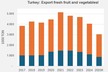
The World Bank called the results nothing short of “remarkable”. A thrust towards greater commercialization has also meant a surge in Rwandan agricultural exports over the past few years. In 2016, exports grew again, by around 16% to reach more than $300 million, up from $259 million in 2015.
In some cases, farmers’ incomes have risen by more than 30%. What has this meant in real terms? The combination of greater commercialization and higher yields directly contributed to a 12% decline in poverty between 2006 and 2011. Extreme poverty was cut by 14 percentage points.
Rwanda has a big goal: achieving lower middle-income status by 2020. It is clear to the government of President Paul Kagame that the agricultural sector is absolutely key in reaching this goal.
1 Rwf = 0.0012 USD
source: theworldfolio.com