High temperatures in summer are not new in our country, just like long periods of drought followed by violent storms. The hottest years in Italy have been 2014, 2003, 2016, 2007, 2012, 2001, 1994, 2009, 2011 and 2000. 2017 was the second hottest spring since 1800 and rainfall in July saw a 65.4% drop.
In a season where there doesn't seem to be lack of produce (summer fruit volumes are actually expected to be higher than in 2016), everybody is wondering about what the actual situation is.
Industry tomatoes
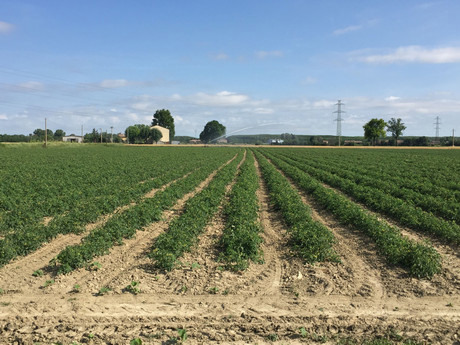
Of course the lack of water has a stronger impact on extensive crops. Italy is the second industry tomato producer worldwide and the reduced river levels are worrying northern Italian producers in particular. Nonetheless, it's still early to quantify the losses, as the 2017 campaign has just started. No particular problems are instead being registered for table tomatoes.
Vegetables
Leafy vegetables such as lettuce also suffer from the heat and lack of water. In Abruzzo, Campania and Emilia-Romagna, grades remain small and with sunscald damage. A 40% loss has been estimated in the Iceberg segment.
Fruit
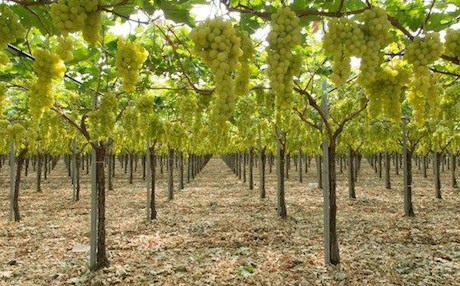
The main fruit campaigns such as strawberries, kiwis, pears and apples are behind us, so there is no damage to report except for that caused by frost at the start of the year. In addition to peaches and nectarines, volumes of watermelons and melons also seem normal. Table grapes is currently being irrigated with well water.
Actually, the year has been characterised by overproduction, as can be seen by the low prices of all wholesale products.
The lack of rain is certainly worrying, as natural water basins are not being refilled and because irrigation costs can eat away profits. However, to make an assessment of the damage, we must wait for it to be quantifiable. It might always rain in the meantime.