Why Kiwis pay so much more for food than Australians
Richie Leef posted photos showing the price of Broccoli ($3.69 each), 1kg Courgettes ($8.89), 1kg red kumara ($8.29), avocados ($4.99 each) and short cucumber ($3.69 each). The prices have dropped jaws with many believing they are better off in Australia.
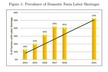
These prices have lead many to wonder why they must pay so much for food compared to their Australian counterparts. While the increase in price in fruit and vegetables is mostly due to a very wet autumn which has restricted growth and destroyed some crops, leading to shortages, other foods come down to multiple factors, the first being population size, says New Zealand Food & Grocery Council spokesman Brent Webling.
"We're less than the population of Sydney," Webling said. "That means the economies of scale in Australia are vastly different to ours. They can produce more items for less because they have longer production runs."
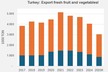
The second factor, he explains, is the amount New Zealand exports. Economic growth in New Zealand's growing markets in Asia and the East are partly to blame for rising costs, Webling said.
"As the standard of living rises in developing countries, our high-quality food exports are in even higher demand, and that puts pressure on prices. Short of introducing our own subsidies, that means we pay more as well."
As long as New Zealand continues to get premium prices for its highly sought-after goods in international markets, prices domestically will not reduce, Webling said.
"Food companies think very carefully before passing on increased costs, but to a large extent they are at the mercy of factors outside their control," he said.
source: nzherald.co.nz, nzherald.co.nz