Qatar could see sharp rise in fruit & veg prices without government subsidies
The same day, both DP World, Dubai’s port operator, and the Port of Fujairah, barred all ships flying Qatari flags from calling on the UAE’s ports.
The ports’ decision to reject Qatari vessels was in line with the UAE government’s move to sever diplomatic ties with Qatar.
The vast majority of food imported by sea before the crisis went through Jebel Ali port, in Dubai. Not only local produce from Oman, but food shipments from Europe and Brazil have also had to create new routes that avoid Jebel Ali.
In order to maintain a continuous supply of fresh fruit and vegetables, which have traditionally come from Saudi Arabia, companies have had to air freight produce in, a very expensive method of importing goods.
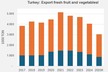
The change has shifted imports for Qatar, with Turkey's exports of fruits and vegetables to the country increasing significantly, the Association's Chairman of the Board, Mustafa Satici, said, pointing out that the value of Turkish exports to Qatar amounted to $379,861,000 ($379.8m) during that period registering an increase of 724% in the period from May 1 to June 15, Compared to the same period last year.
Without the assistance of the government in subsidising this process, residents of Qatar will see sharp price increases as supply costs are passed on to them by private companies.
There have been reports in the local press of panic buying, with residents of Doha pictured stocking up on water, frozen foods, canned goods and other essential items.
source: gulfnews.com, thepeninsulaqatar.com