US ag groups send words of caution amid possible NAFTA renegotiations
Some of the country’s largest lobbying groups that represent farmers and ranchers are warily watching from the sidelines, and preparing for what could be years of bilateral and trilateral trade negotiations.
The talks are high stakes for certain sections of the agriculture industry. While it’s difficult to pin a dollar figure on how NAFTA has directly affected farmers and ranchers in the U.S., it has opened up markets for certain products. The U.S. exported nearly $39 billion worth of agricultural goods to Canada and Mexico in the 2016 fiscal year.
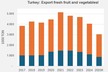
Under NAFTA, exports of American agricultural goods to Canada increased 44 percent, according to the Office of U.S. Trade Representative and as for Mexico, the value of fruit and vegetable imports totaled more than $10 billion in 2016.
With significant markets in play, and billions of dollars at stake, U.S. farm groups are on edge at the thought of tinkering with the deal. Trade associations for corn, wheat and soybean growers all say the deal that’s been in effect since the mid-’90s, is a net positive for American farmers. They would rather it be left alone.
“NAFTA is the critical piece of trade policy underpinning past success and future development of market potential yet to be tapped in Mexico,” U.S. Grains Council president Thomas Sleight said in a statement.
source: kunc.org