On Saturday, May 6, 2017, Michigan apple grower and USApple board member, Chris Alpers of Redpath Orchards, Lake Leelanau, MI, testified at the U.S. Senate Agriculture Committee hearing, “Growing Jobs and Economic Opportunity: Perspectives on the 2018 Farm Bill from Michigan.”
Alpers served as a specialty crop expert on a panel of growers invited to give a personal account of the impact of the 2014 Farm Bill to Senate Agriculture Committee Chairman Pat Roberts (R-KS) and Ranking Member Debbie Stabenow (D-MI) during a hearing in Frankenmuth, Michigan.
“Just as we did during our recent hearing in Kansas, it is important for us to get out of Washington to hear directly from folks about the Farm Bill where it matters most: on our farms, ranches, businesses, and communities across the country,” said Chairman Roberts in his opening remarks.
Ranking Member Debbie Stabenow (D-MI) added, “I’ve always said that we don’t have an economy unless we make things and grow things--and the Farm Bill plays an important role in that.”
“Year after year, America’s farmers and ranchers overcome drought, disease, floods, fires, freezes, tornados, embargos, and even their own government, to produce the safest, most abundant, and affordable food and fiber supply the world has ever known,” continued Roberts.
Alpers stressed the national support for Farm Bill program by the apple industry. “From Michigan to Washington, New York to California the apple industry is comprised of independent business owners. We strongly support programs that build long-term competitiveness, drive innovation and further grow demand of our products,” said Alpers, during his testimony, going into detail on the importance of funding for export programs, nutrition, research and crop insurance. Candidly, Alpers said his rural community was able to thrive and exist because of specialty crop farm bill programs.
In closing, Alpers discussed the need for a stable, reliable and legal workforce.
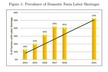
“I would be remiss if I did not raise the issue of agricultural labor and the concerns that apple growers have from coast-to-coast as to whether they will have adequate labor to harvest and care for our crop. Apple and cherry growers like me spend money 10 to 11 months a year in order to create all of our revenue in a very short time sensitive window. I have personally witnessed crops wasting away on the trees because the producer wasn’t able to secure a domestic work force or there were extreme delays in the H2-A program. My single greatest concern this upcoming season is this program will experience significant delays and workers will not arrive before the crop is ready to be harvested,” continued Alpers.
Moved by a personal anecdote from Chris Alpers that he is required to document for the federal government all wildlife that crosses his property, Chairman Roberts mentioned him by name in his closing remarks and said, “Overregulation is a real problem.” Then adjourned the hearing with, “To those who say passing a Farm Bill in this environment is a daunting task, I say together we can get it done. We must embrace the attitude of our producers…optimism and ingenuity. A farmer plants the seed believing in a good harvest.”
To view the full video recording from the hearing, visit the Senate Agriculture Committee website.
For more information: